

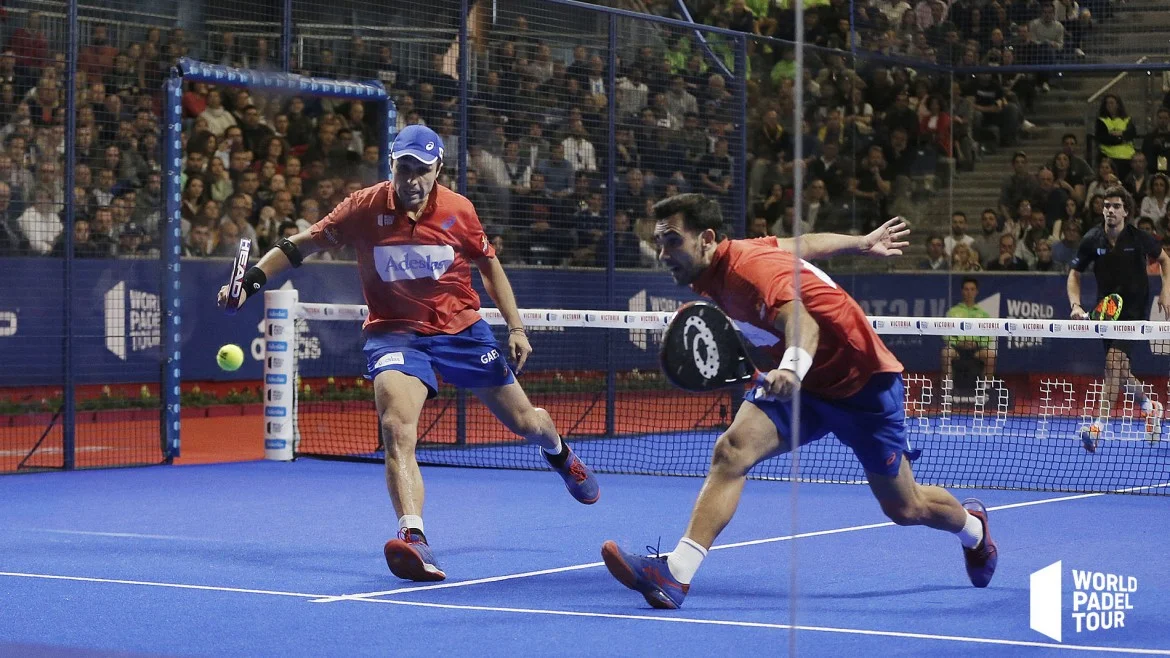







A complementary team in padel is the main reason for the success or not of a team. To win more games, you should not just work on your physique, on your tactics or on your technique, but also on the relationship you have with your partner. The more you know yourself, the more you will be able to improve yourself and make real progress in games.
This is the main difference with tennis. Indeed, tennis (singles) is an opposition of two players, individually, who clash. On the other hand, the padel is a team sport, so two players are facing two others. So do not stand on the individual technical level of each player, but also on their complementarity. A pair that will be more complementary than the other (although technically weaker) may be able to win the match against two players intrinsically more technical (or said “better”).
This article will inform you that the relationship you have with your partner is essential, and that it must be maintained (training for two in particular). Knowledge of the partner’s game (strengths and weaknesses) is necessary for the success of the team.
Trust in your partner: the team’s base
You must believe in your teammate, you must trust him, if you are not, you will be tempted to take balls, and put you in delicate situations.
By trusting in your partner you will be able to win matches against players who are superior to you, all thanks to the motivation. Indeed, thinking about teaming up with a good player motivates, and you will increase your performance. Whereas if you tell yourself that you are teaming with a worse player, it will demotivate you. In any case, you have to trust your partner, this is the basis for being a complementary pair. In addition, if you feel comfortable with your partner, he will feel it too, and boost his performance too, but the opposite is true too, so it’s double-edged.
The relationship you have with your partner is important and important. Indeed, what you say, what you do, your partner will interpret it for good or bad. It will be necessary to be careful about of our movements and what you say to keep a good relationship. You will have to encourage him, and give brief explanations on how to proceed on the next situation.
Finally, we must not forget the communication. The success or failure of a pair in padel is in its ability to communicate with each other. This communication is there for a player who has discovered a fault in the opponent warns his partner, but also on the balls that pass in the middle to find out who takes them, a little “I! “, And that changes everything.

Alexis Dutour est un passionné de padel. Avec sa formation en communication et en marketing, il met ses compétences au service du padel pour nous proposer des articles toujours très intéressants.







































































 Padel Now : nous avons testé l’application qui veut simplifier la vie des compétiteurs
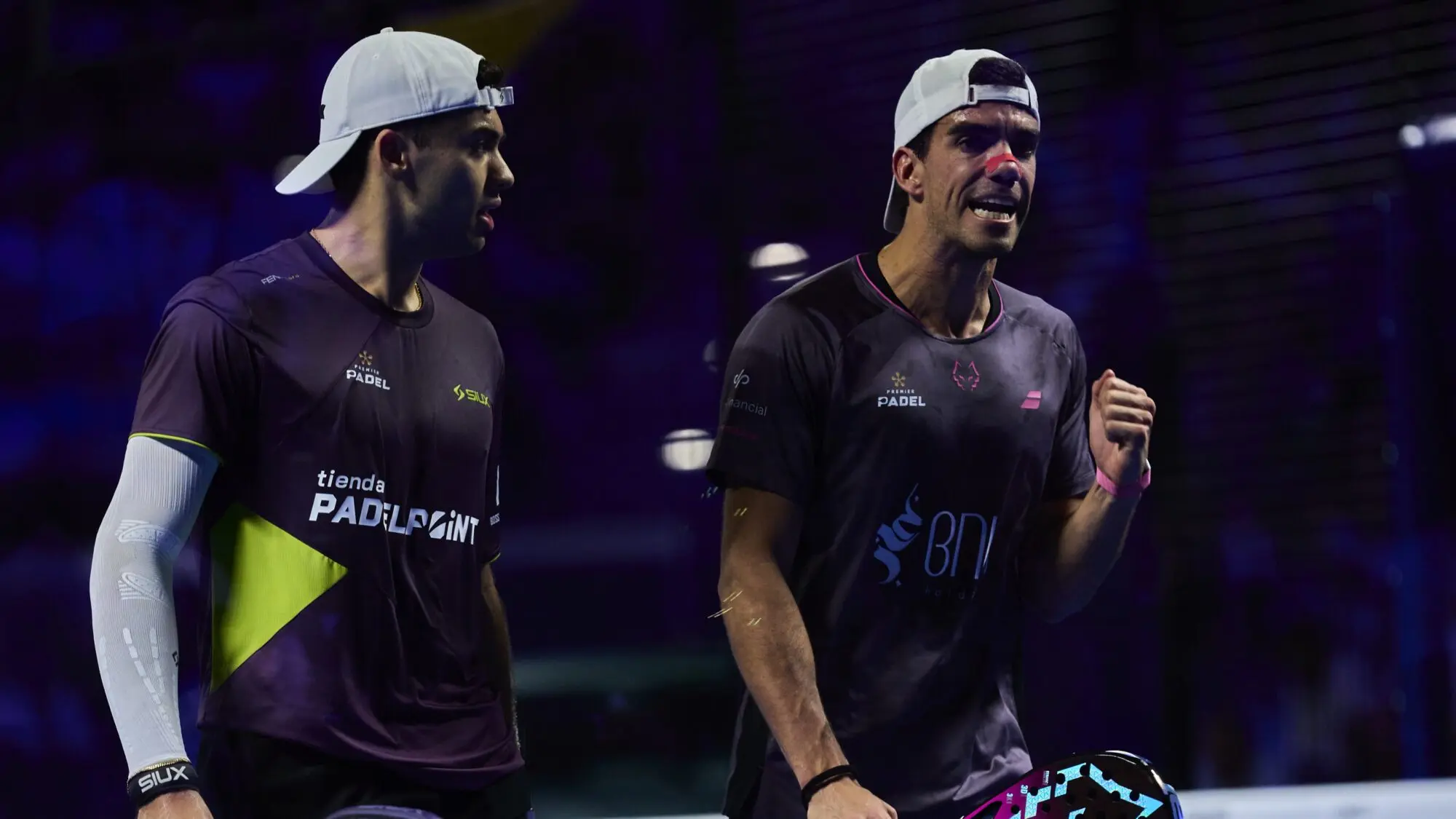 Lebrón / Augsburger : une finale perdue, mais un cap franchi à Milan ?
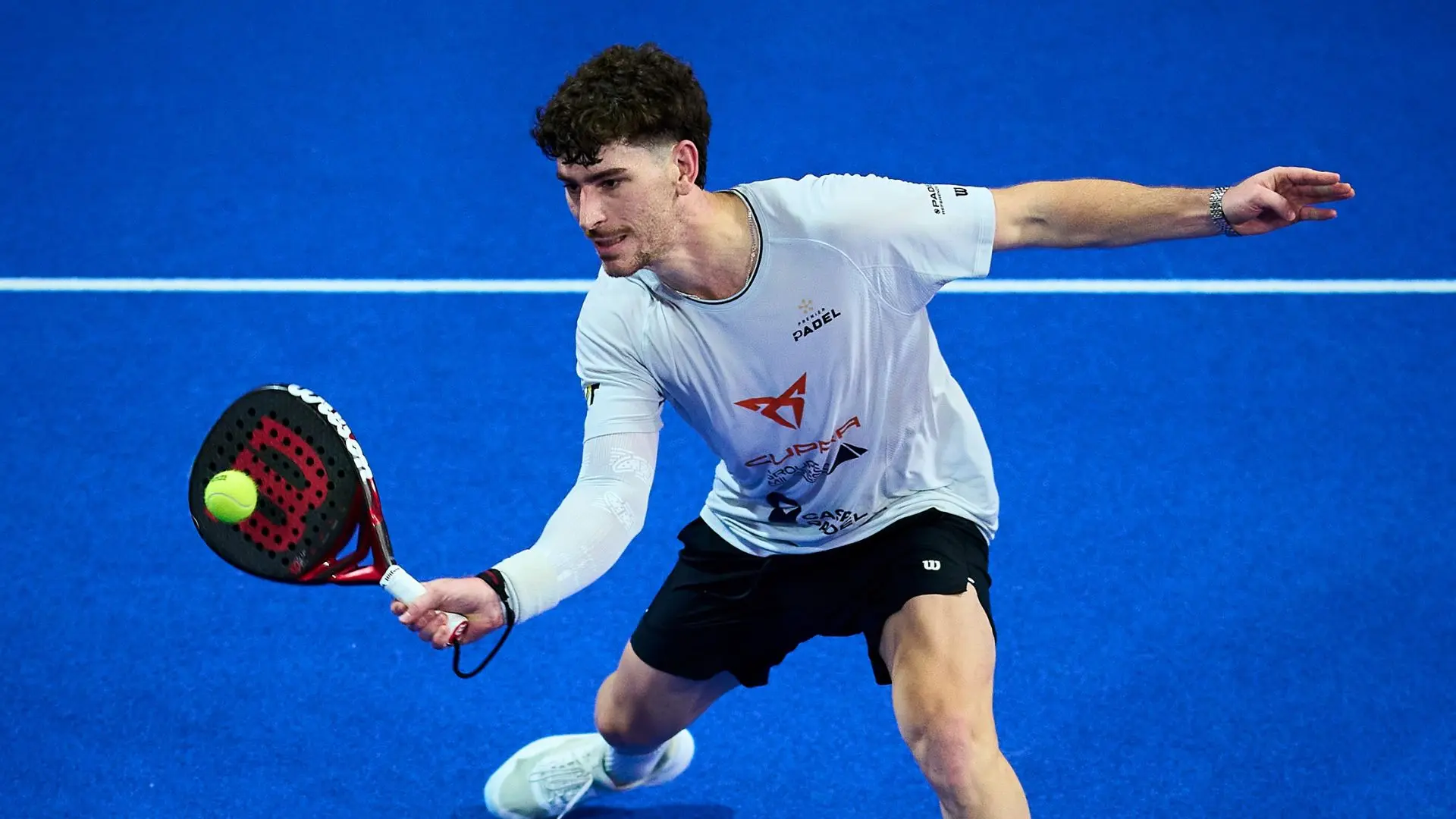 Thomas Leygue retrouve enfin le top 100 mondial : une renaissance après des mois de galère
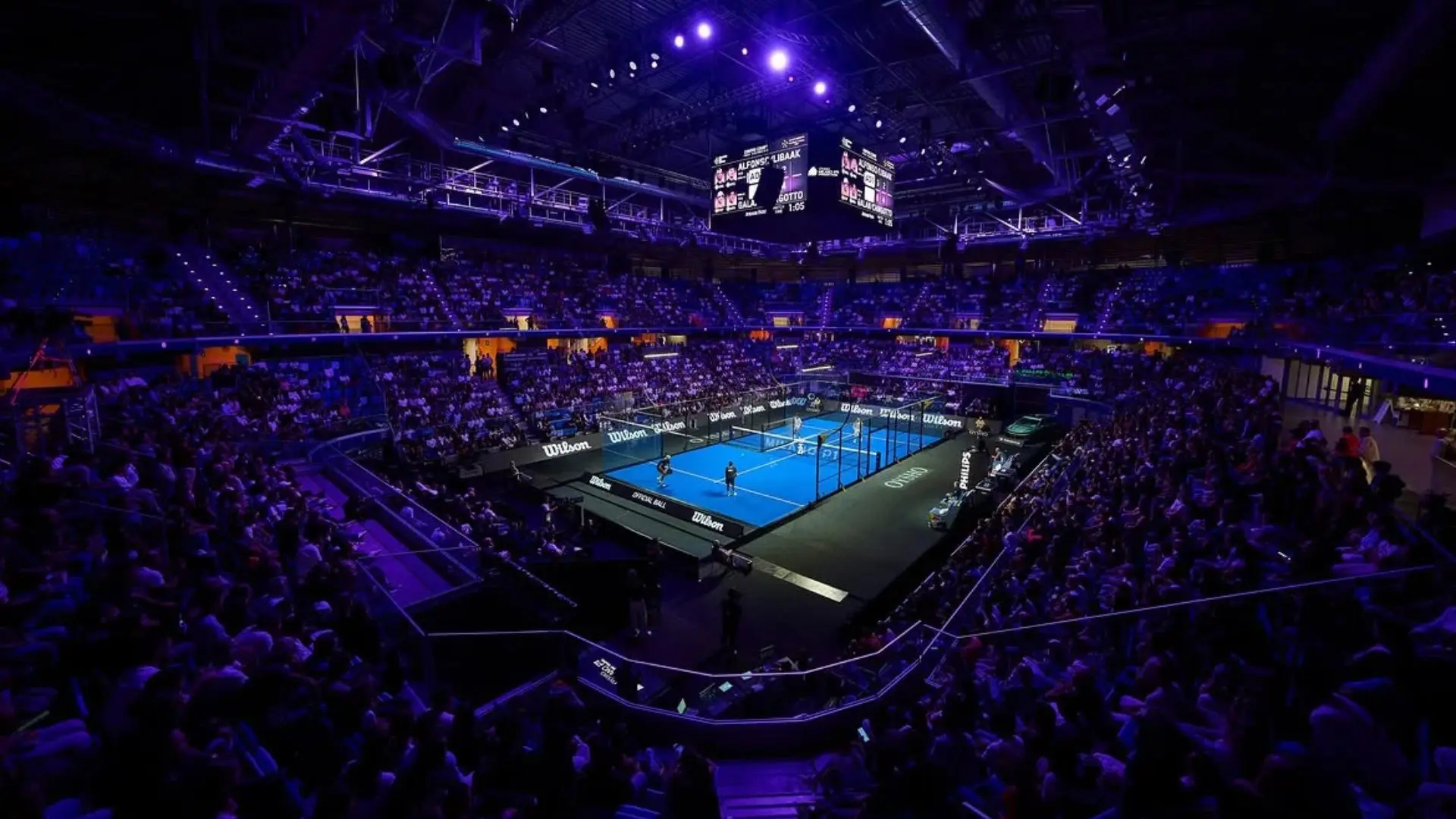 Milan P1 : près de 39 000 entrées, un nouveau record de fréquentation
 « Avant, on parlait de la deuxième place, maintenant de la première » : Sánchez et Ustero changent de dimension
 Agustín Tapia : “Je remercie Dieu pour le talent qu’il m’a donné”
 Après un 6/0, Lebrón et Augsburger renversent Galán / Chingotto : « Nous avons cessé de douter »
 300 victoires pour Coello, mais une seule priorité : « Les récompenses individuelles ne nous intéressent pas »
 P1000 : des surprises, des premières et de gros combats, retour sur les résultats du week-end à Limoges, Draguignan, Tarbes, Sens, Bastia et Padel 3
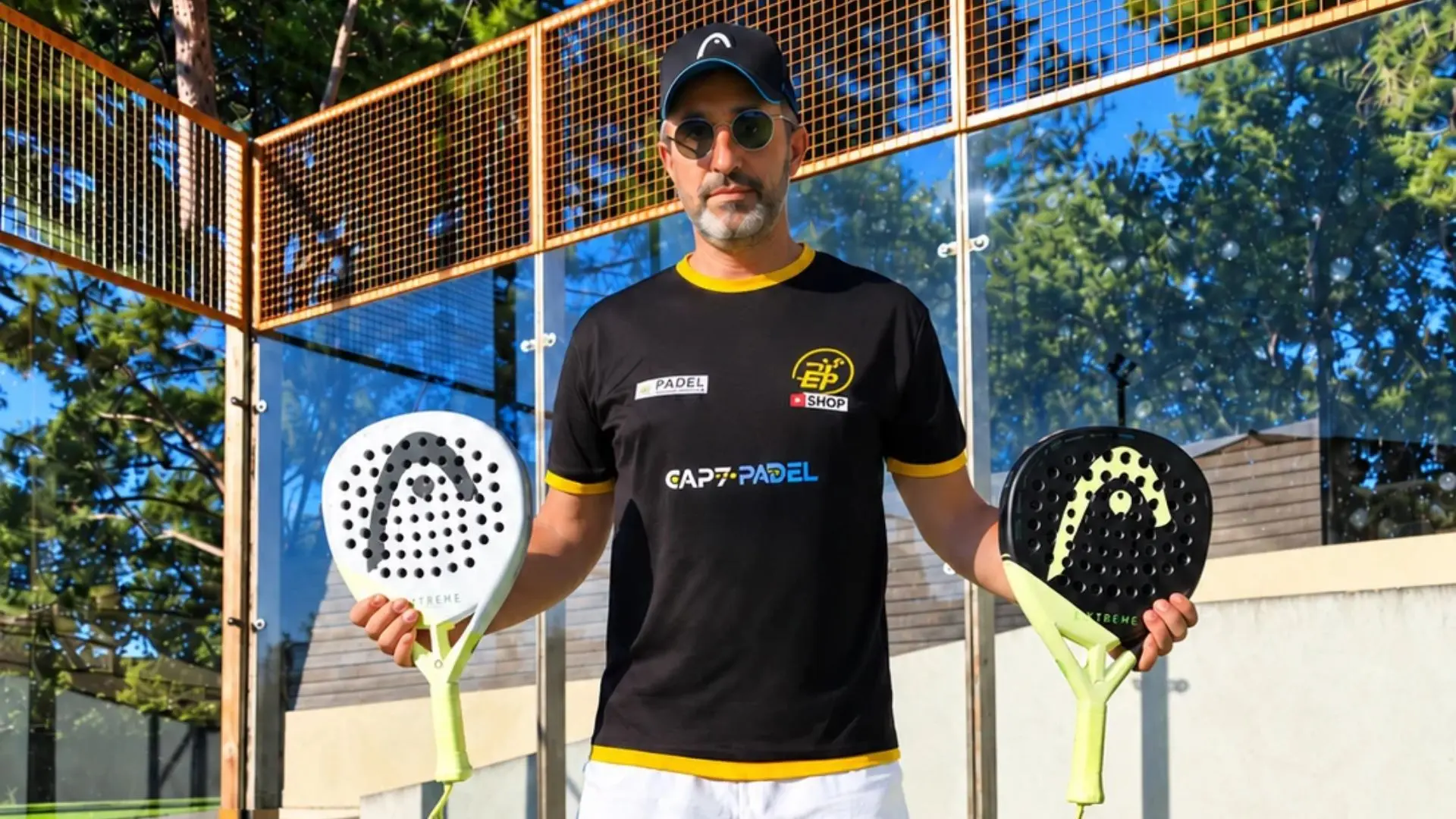 HEAD Extreme Pro & Motion 2027 : entre le scalpel et la foudre
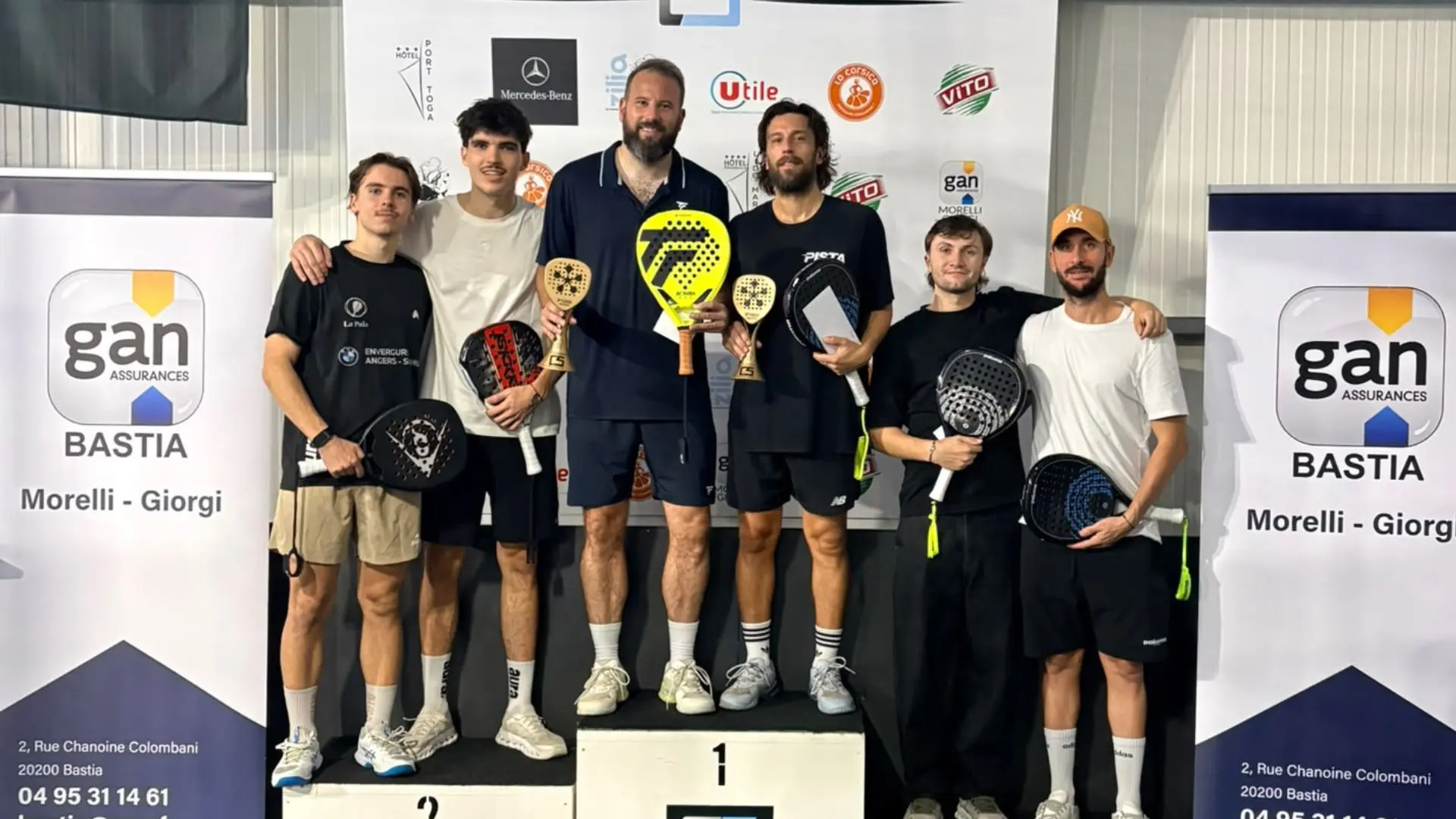 P1000 C5 Stadium : Maigret / Sichez font respecter leur statut et décrochent le titre en Corse
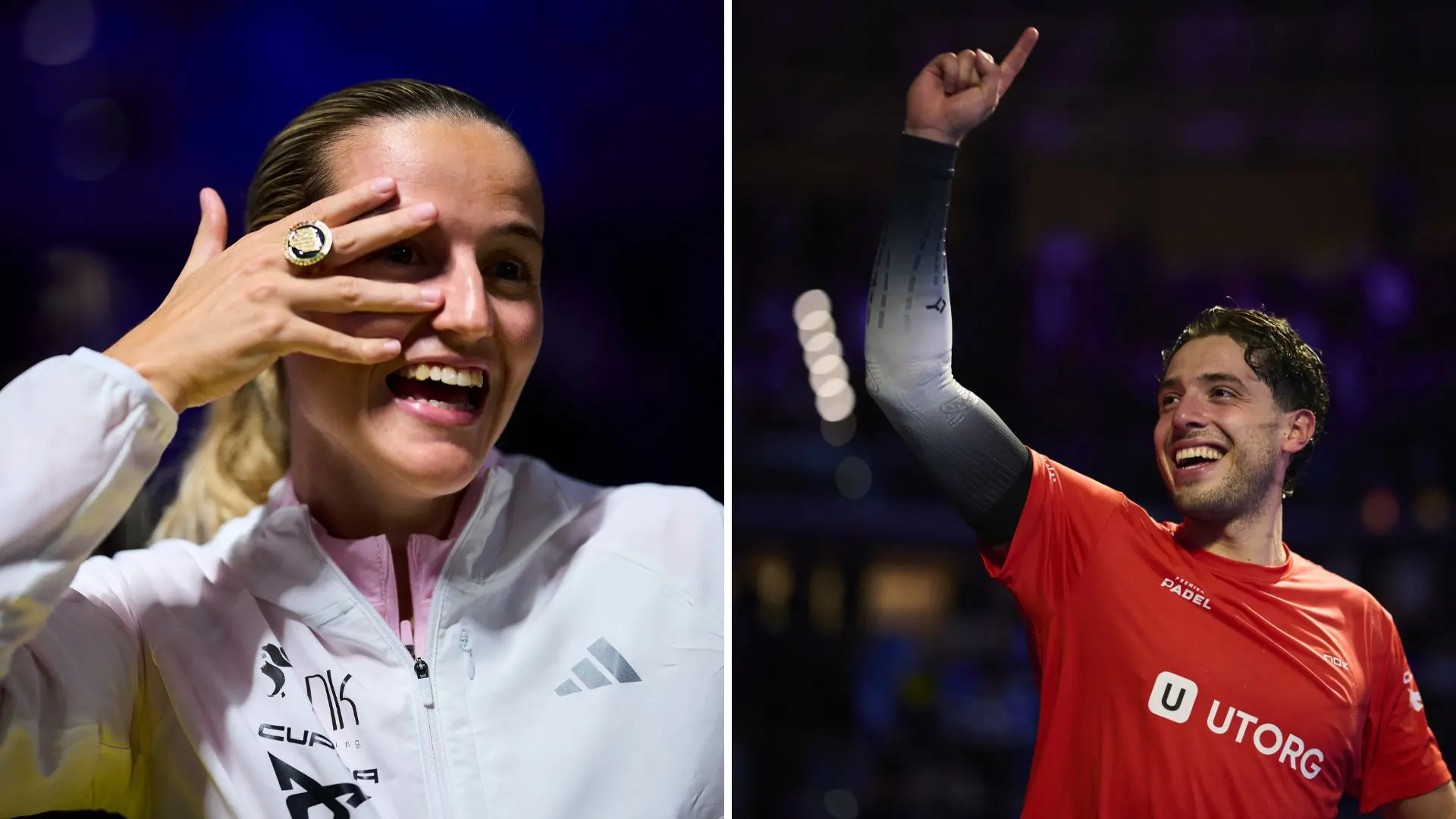 Ari Sánchez rejoint Triay et Salazar au sommet avec 58 titres chacune, Tapia à un titre de Pablo Lima
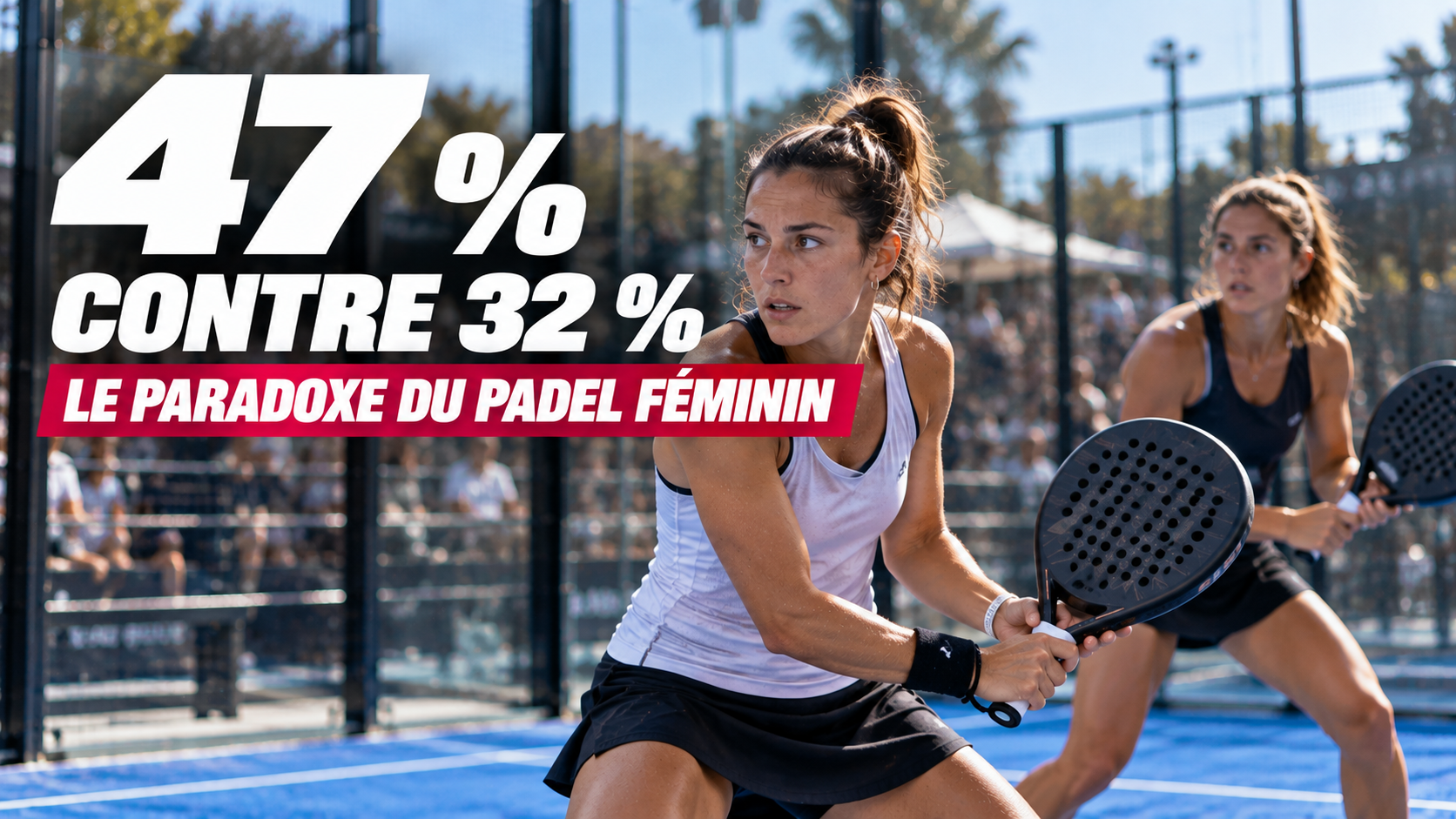 Padel féminin : 47 % des pratiquants sont des femmes, mais seulement 32 % des licenciés
 Le padel explose en Asie : 39 % des nouveaux clubs mondiaux y ouvrent en 2026
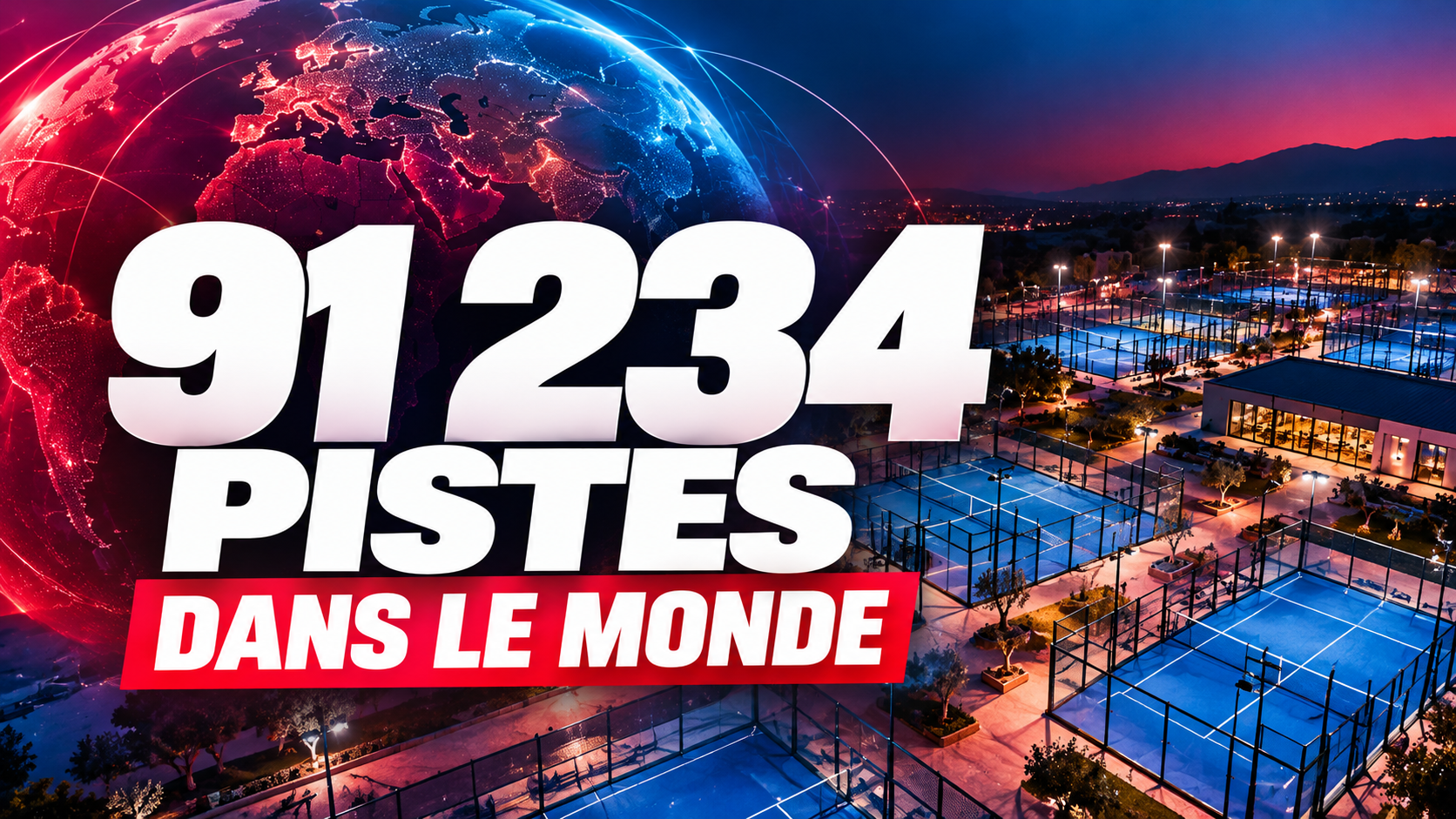 Plus de 91 000 pistes de padel dans le monde : jusqu’où ira la croissance ?
 40 millions de joueurs de padel dans le monde : les chiffres d’une croissance spectaculaire
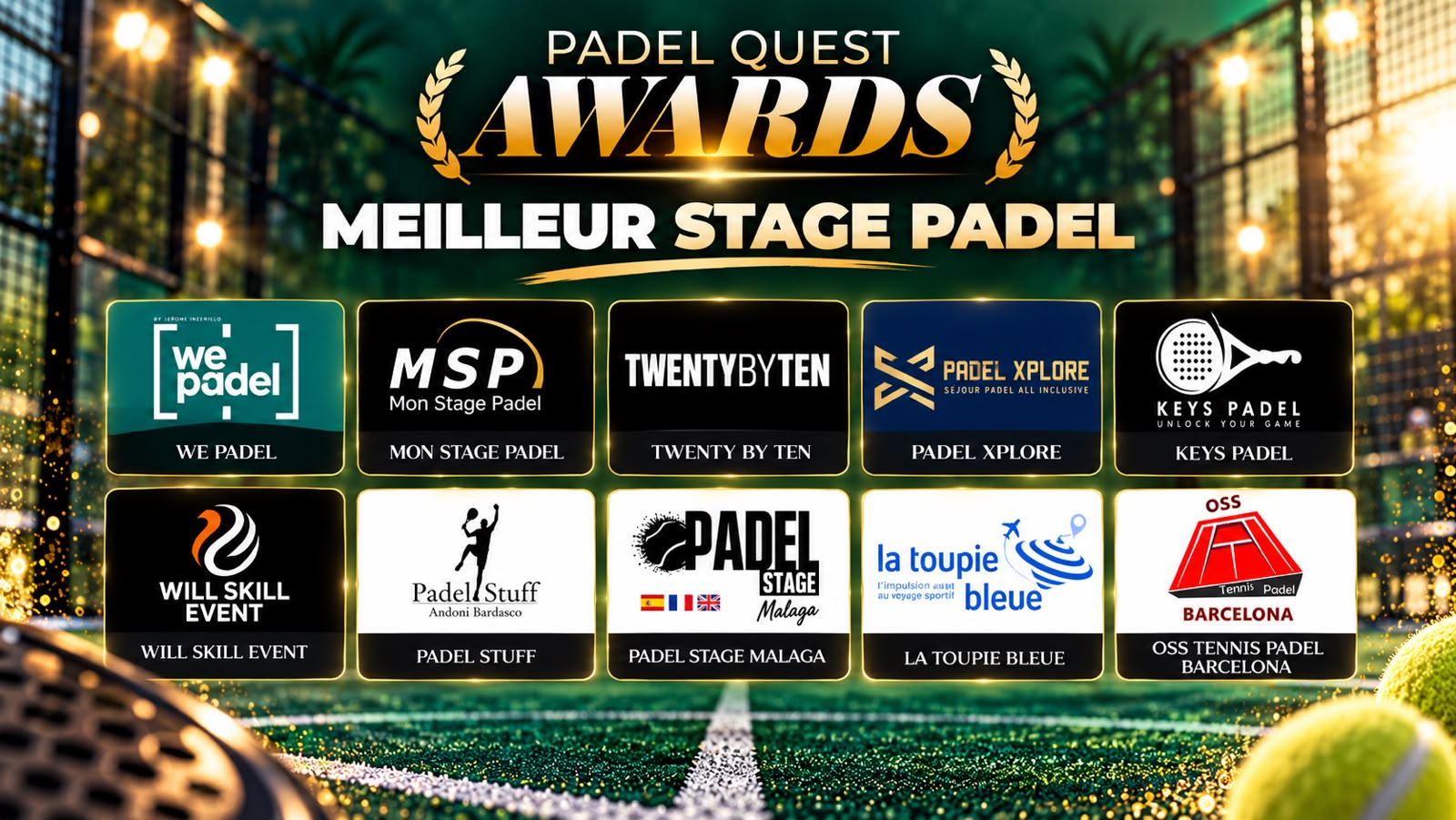 Padel Quest Awards : dix spécialistes en lice pour le titre de meilleur stage de padel de l’année
 Perd-on son classement Padel FFT après plus d’un an sans licence / sans compétition ?
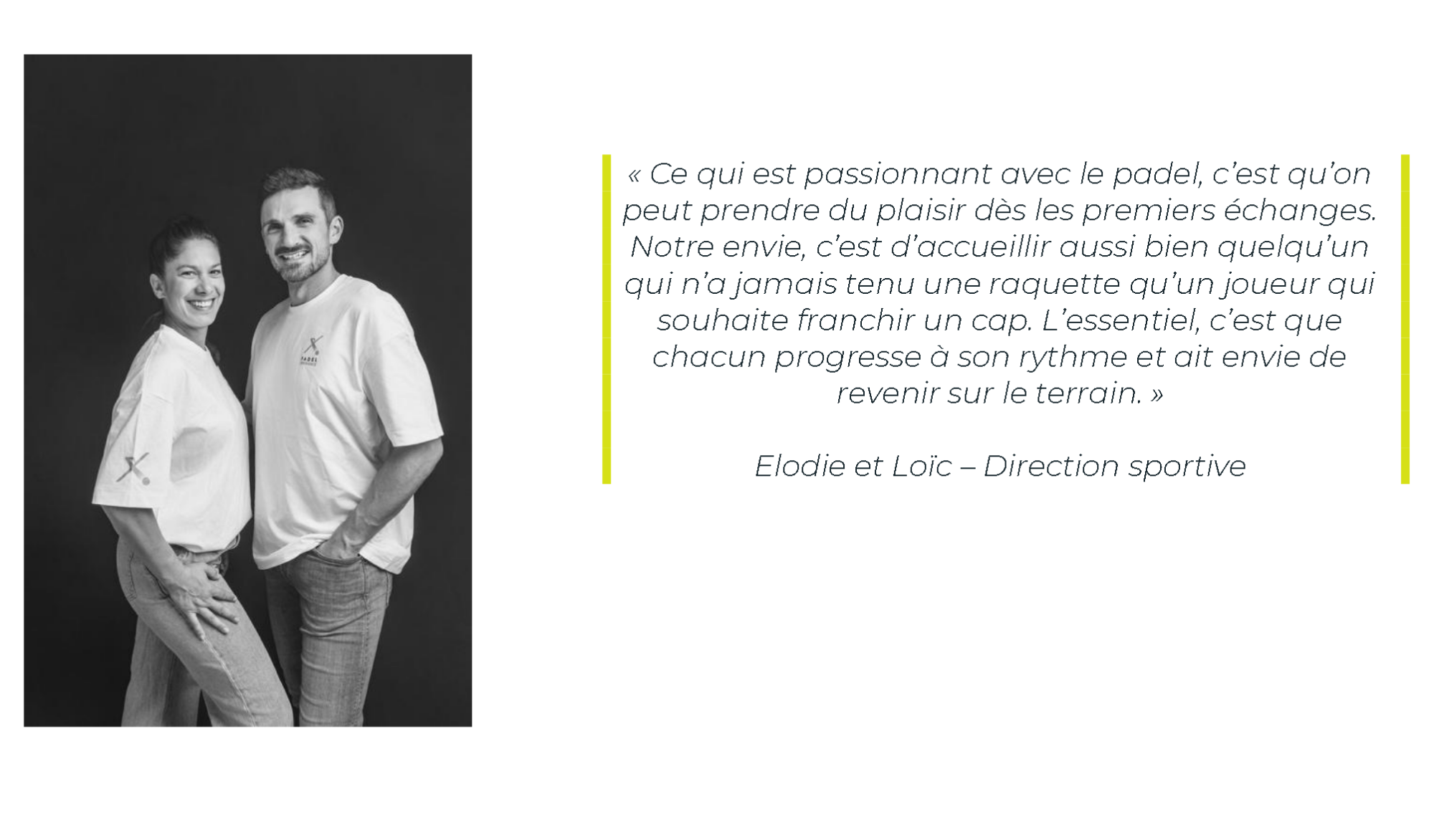 Padel Xperience : l’Académie ouvre le 2 novembre à Marcheprime, avant l’inauguration du complexe en 2027
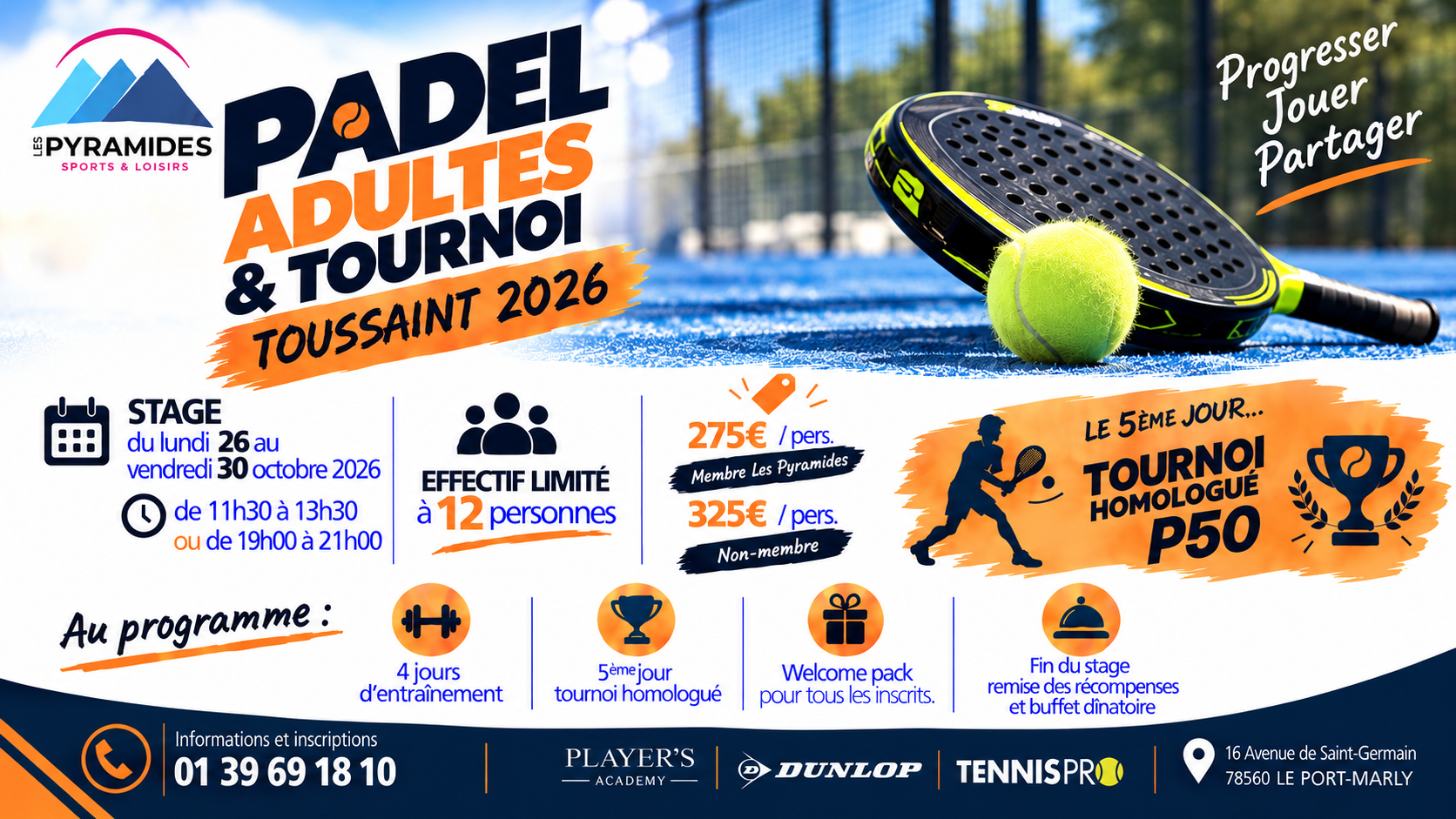 La Toussaint – Les Pyramides organisent un stage de padel pour adultes avec un tournoi P50 pour clôturer la semaine
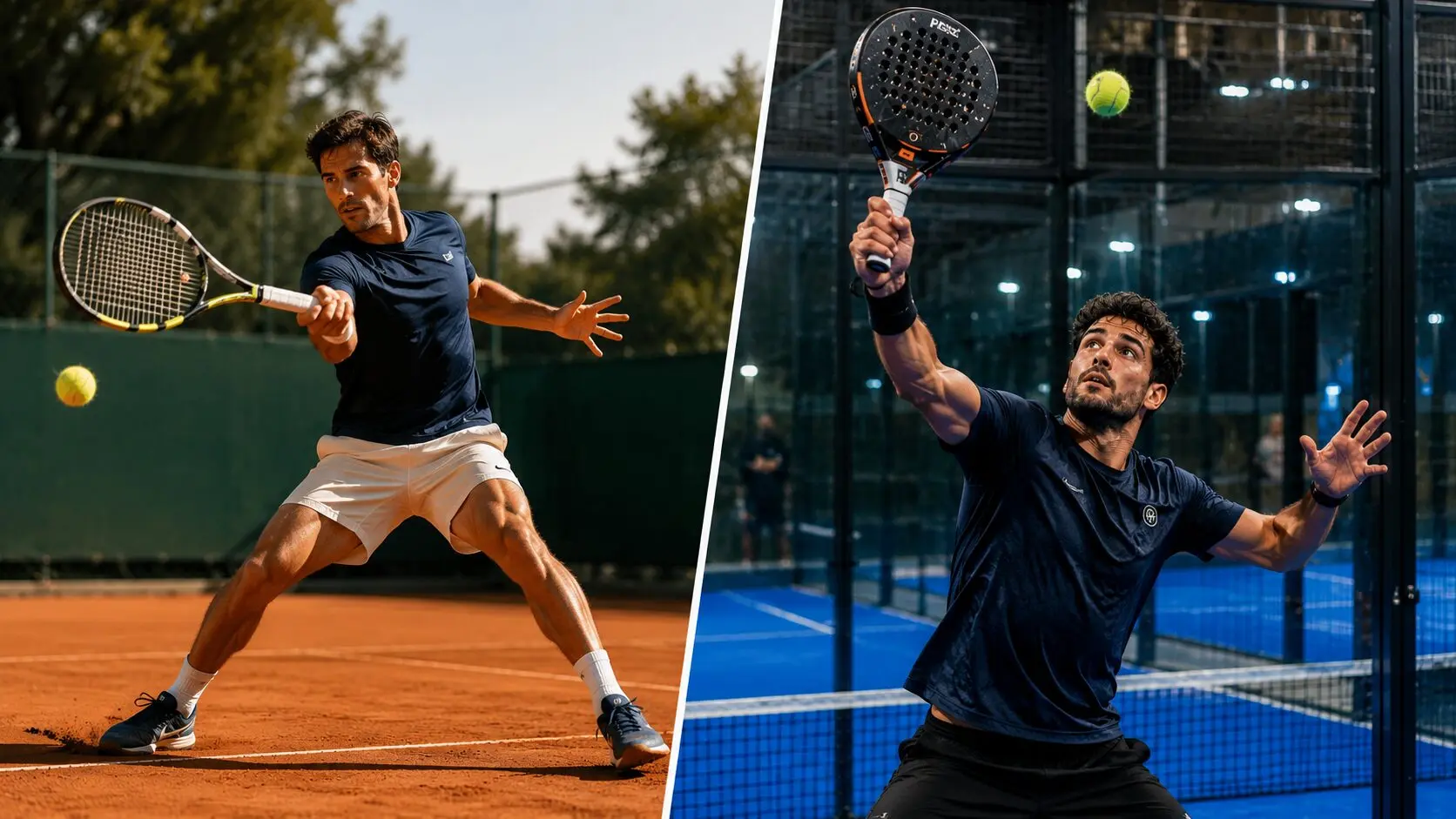 Ce que révèle l’analyse du geste : coup droit tennis vs bandeja padel
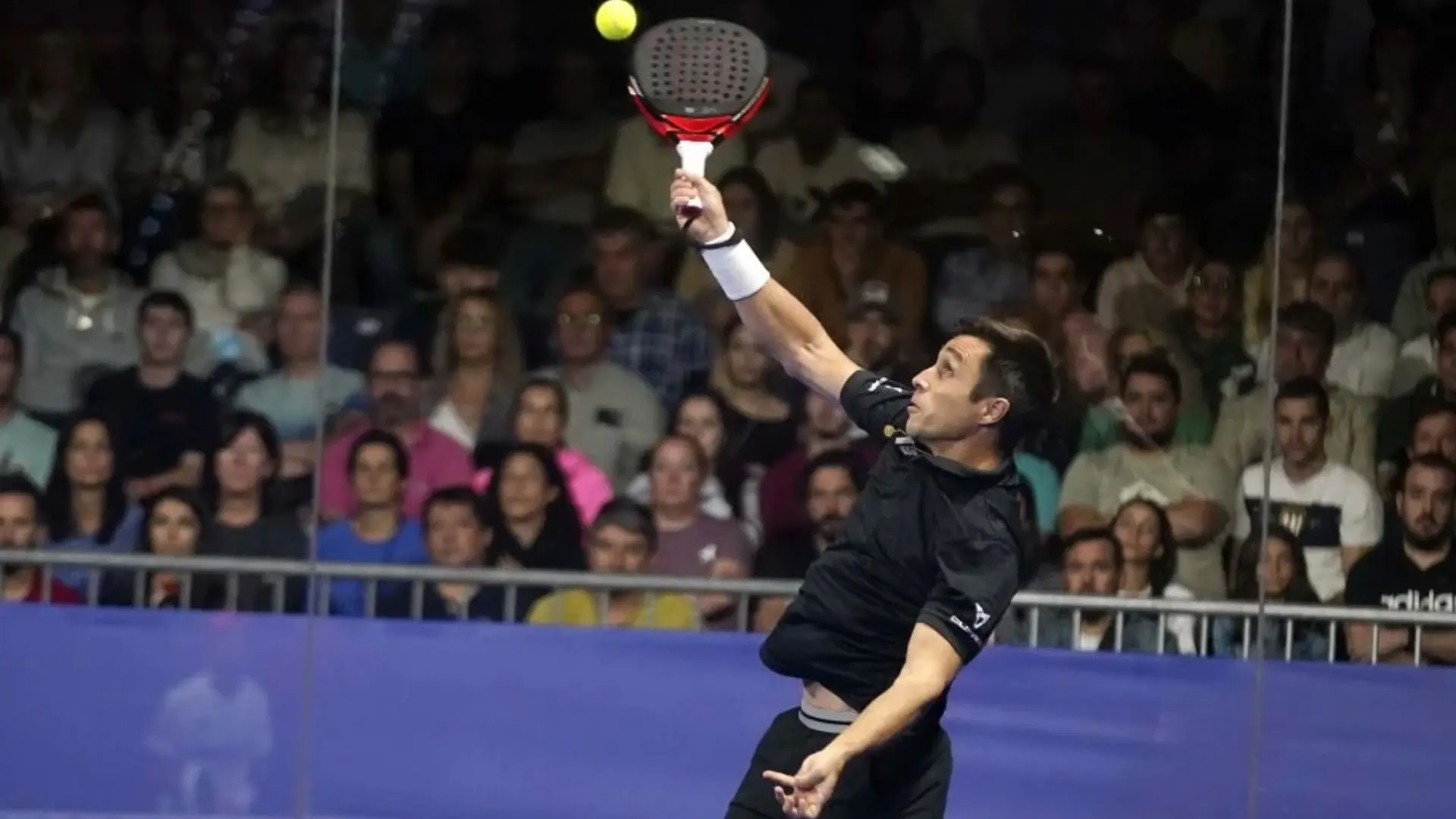 La bandeja a-t-elle disparu du padel moderne ?
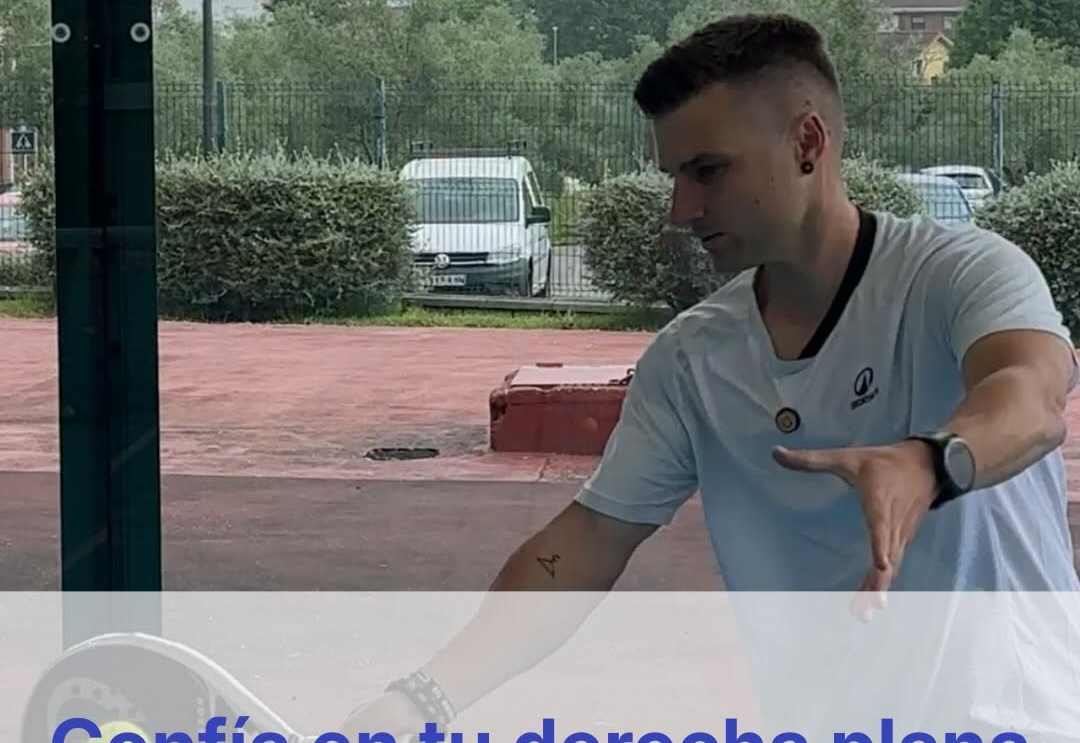 Coup droit à plat au padel : les 5 exercices de Cristian Álvarez pour gagner en contrôle et en efficacité
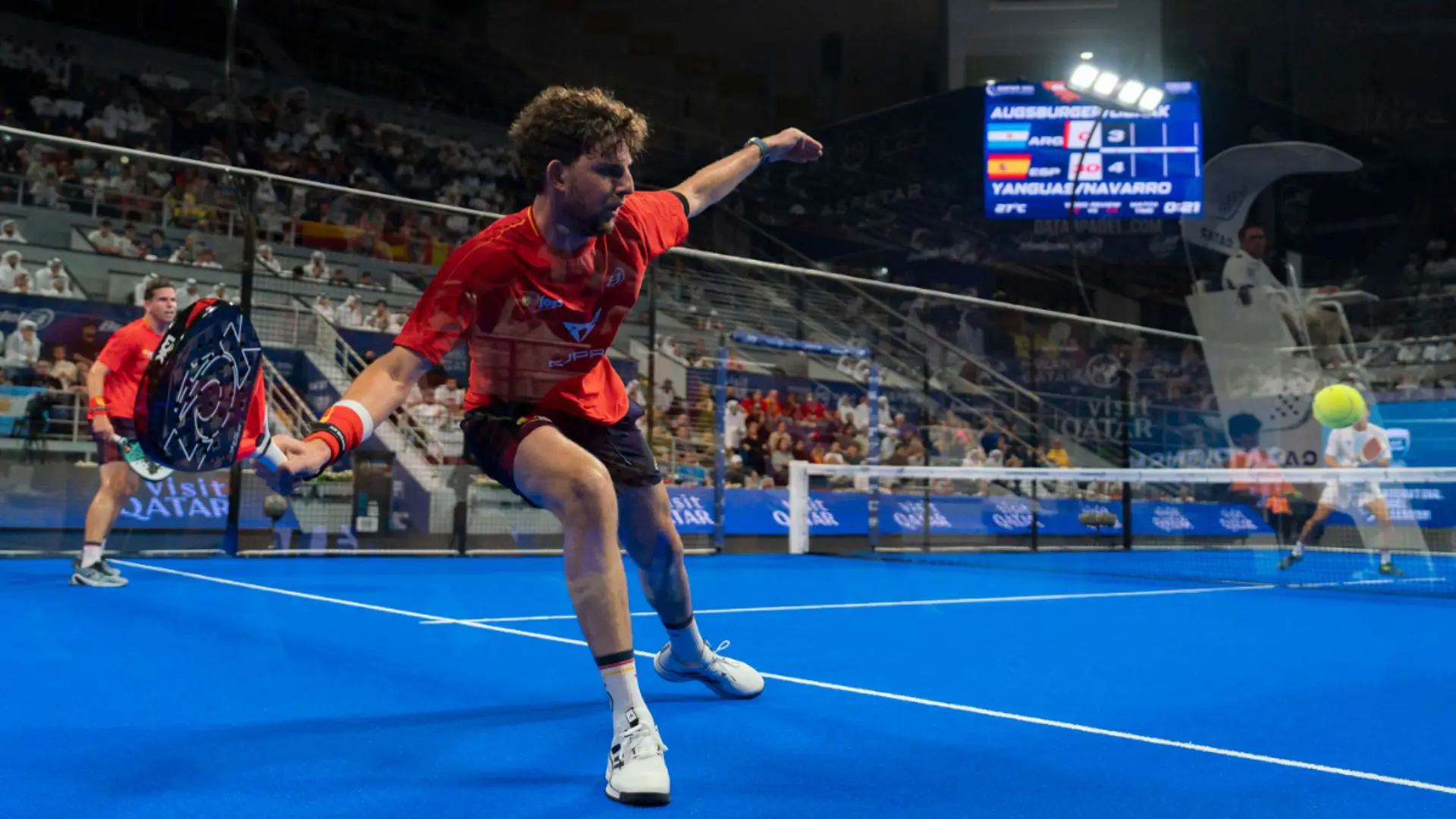 Pourquoi savoir jouer à droite et à gauche peut faire la différence
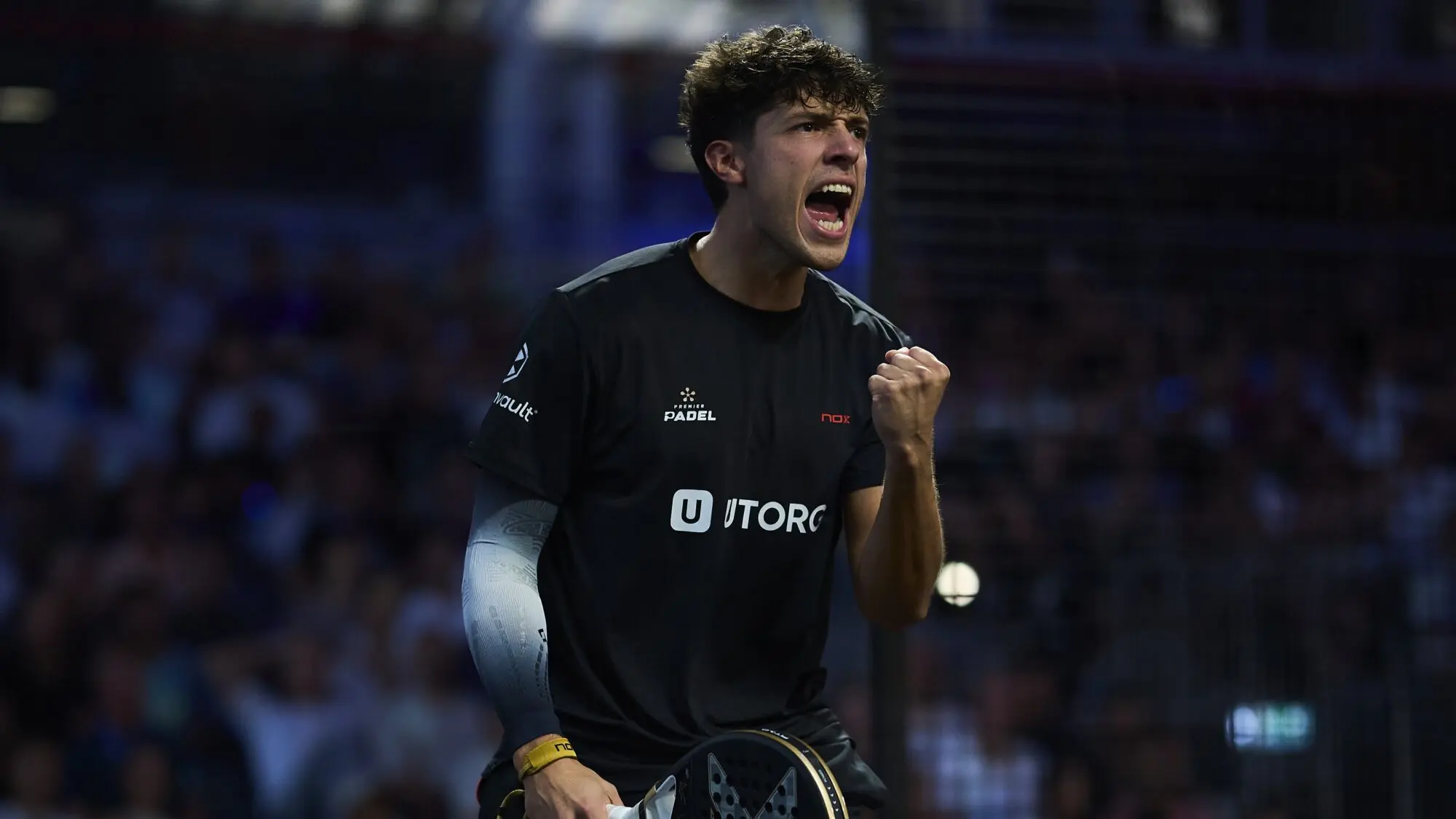 Tapia donne la recette pour battre Coello / Tapia : « Je jouerais tout sur moi »
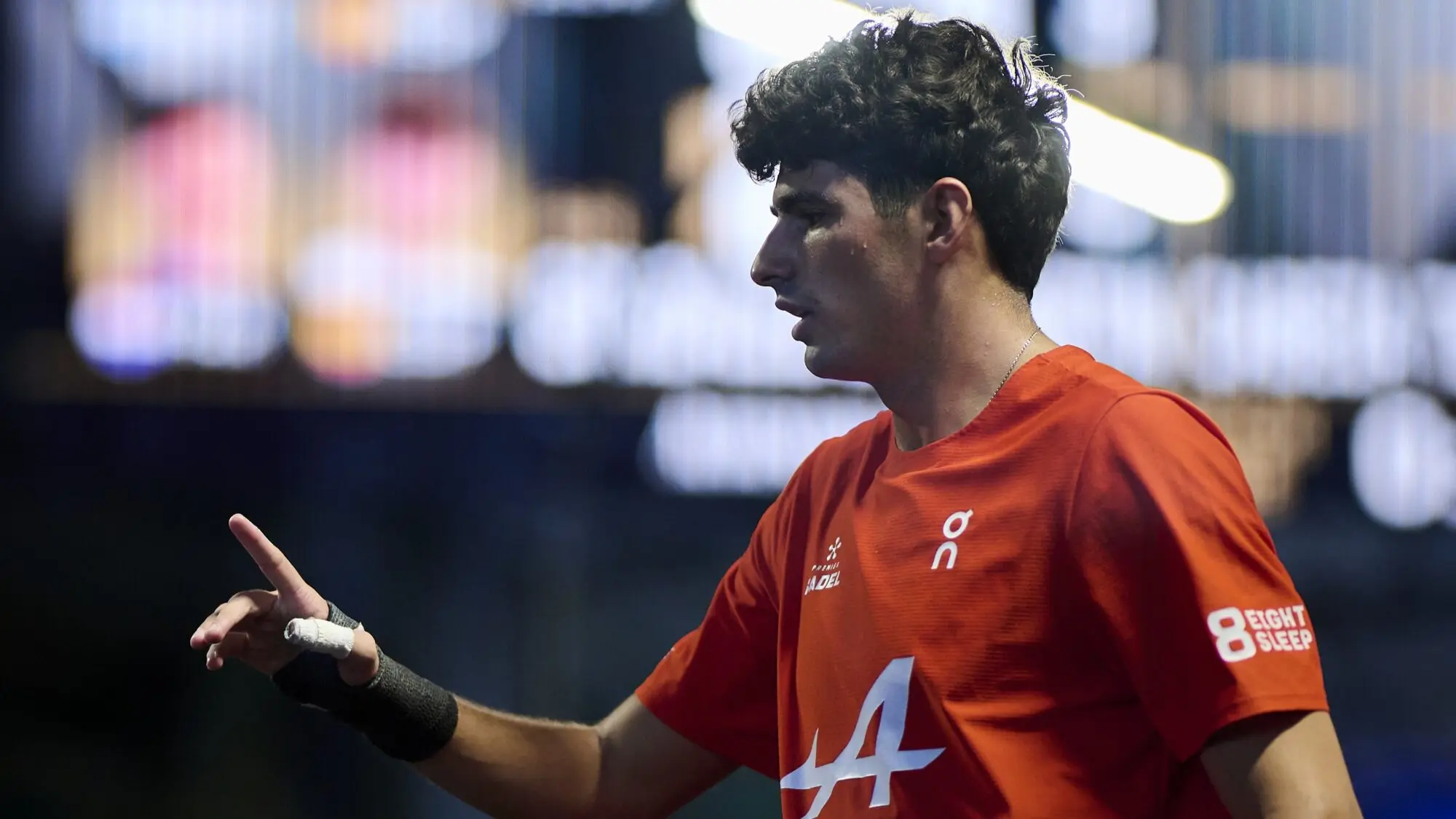 Comment Coello a désamorcé le plan de jeu de Chingotto
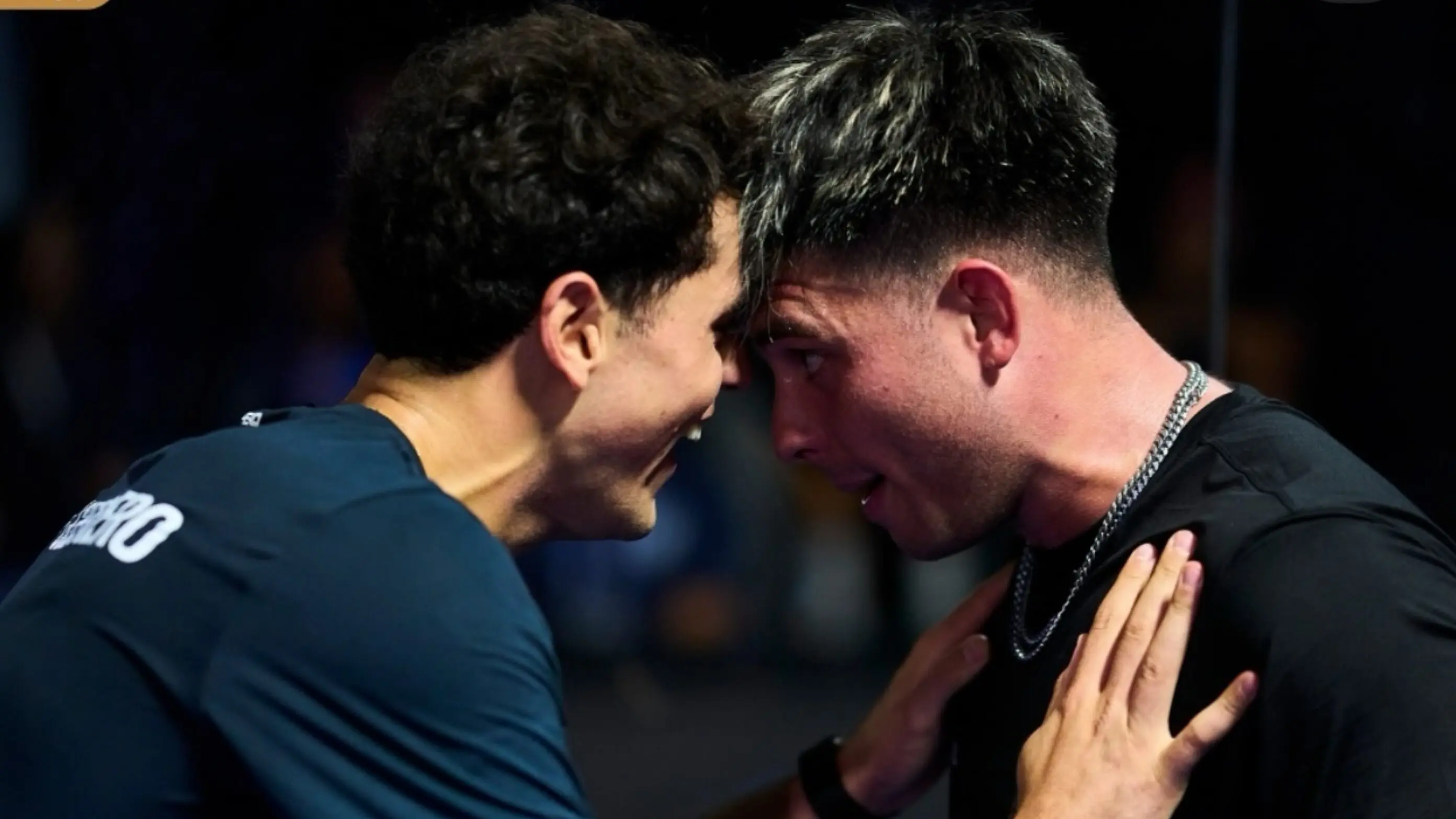 Au padel, l’alchimie d’une paire compte-t-elle autant que le niveau individuel ?
 L’été change le padel… et si le vrai défi n’était pas de frapper plus fort ?
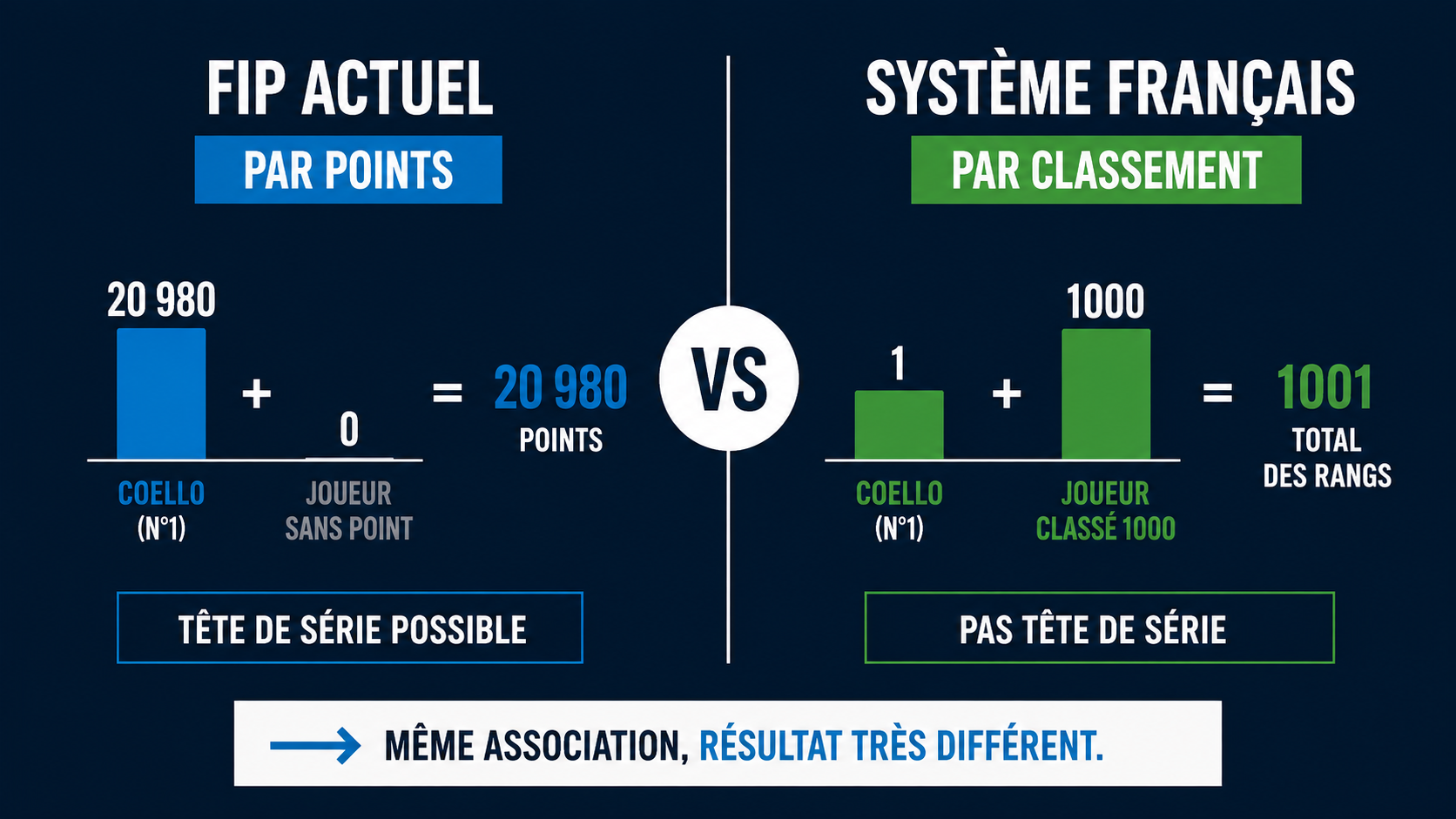 Coello avec un joueur à 0 point devant deux top 10 : faut-il revoir le classement FIP ?
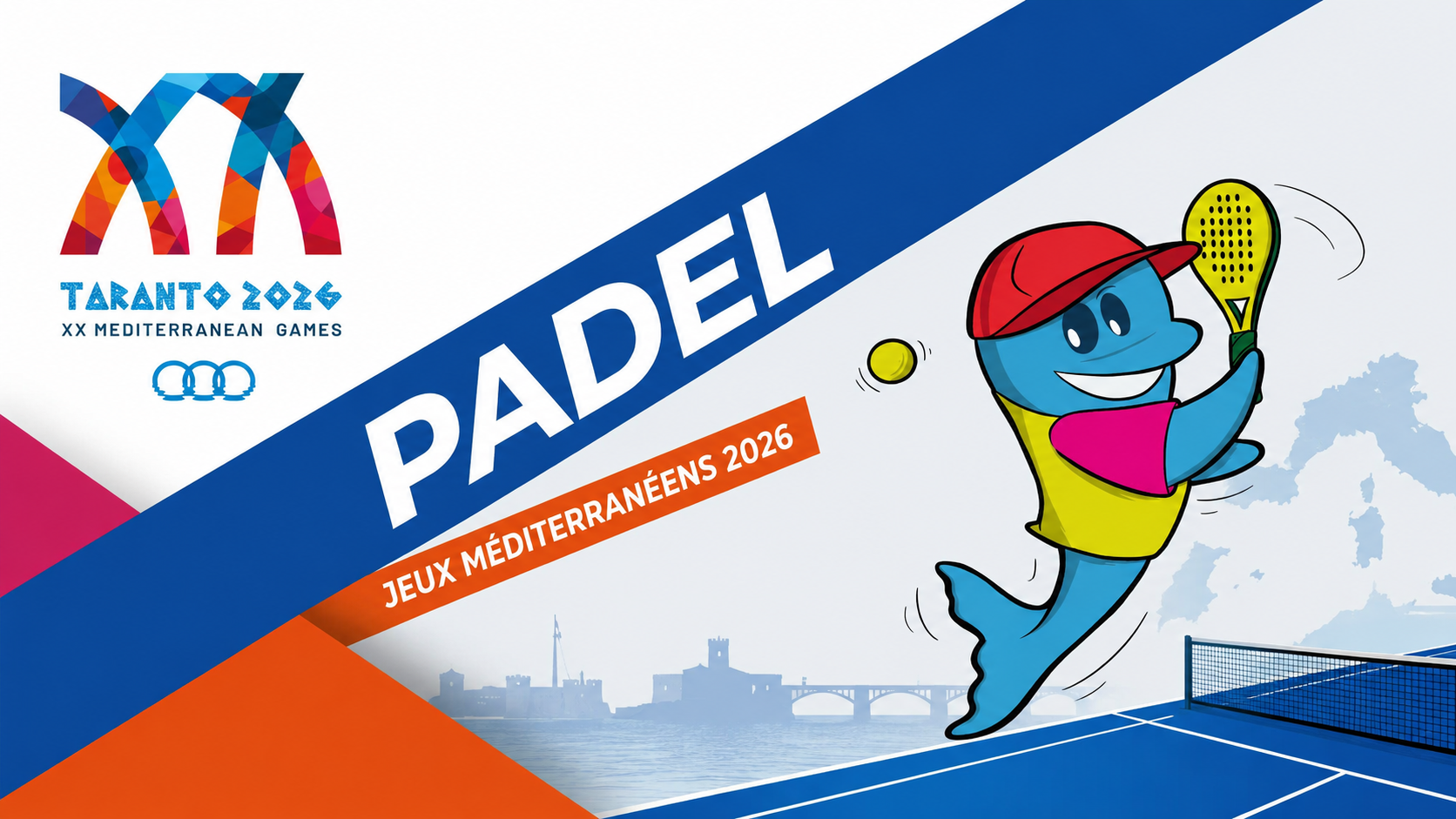 Ni FIP Tour, ni Championnat du monde par équipes : le format particulier du padel aux Jeux Méditerranéens
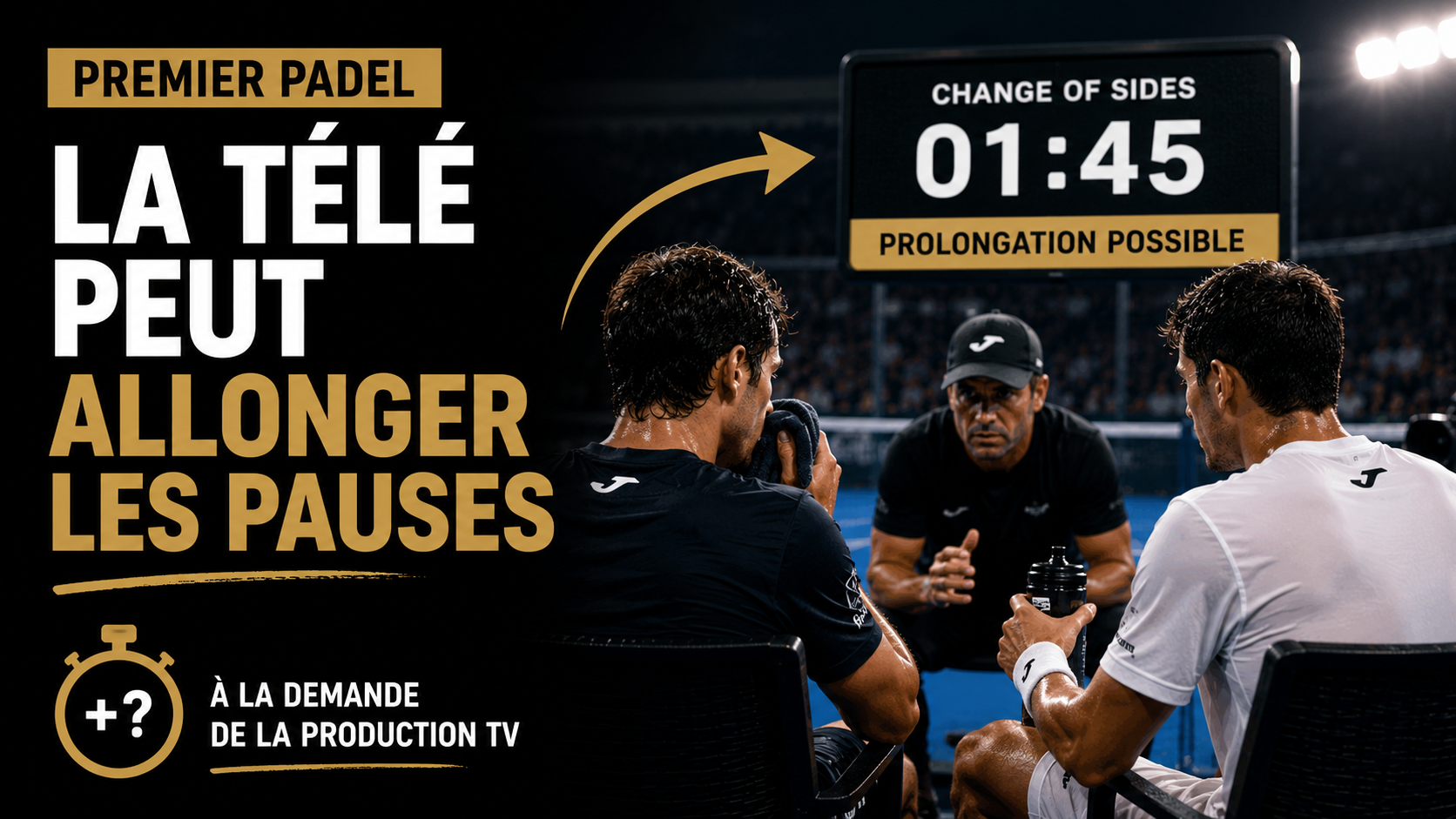 Premier Padel : quand la télévision peut rallonger les pauses des joueurs
 Julien Seurin se livre sur le mental : « Il y a beaucoup plus de doutes que de moments de bonheur »
 Plus d’un an après, Thomas Leygue de retour dans le top 150 : les coulisses d’un comeback encore inachevé
 Padel vs squash vs badminton : le classement scientifique de l’intensité cardio
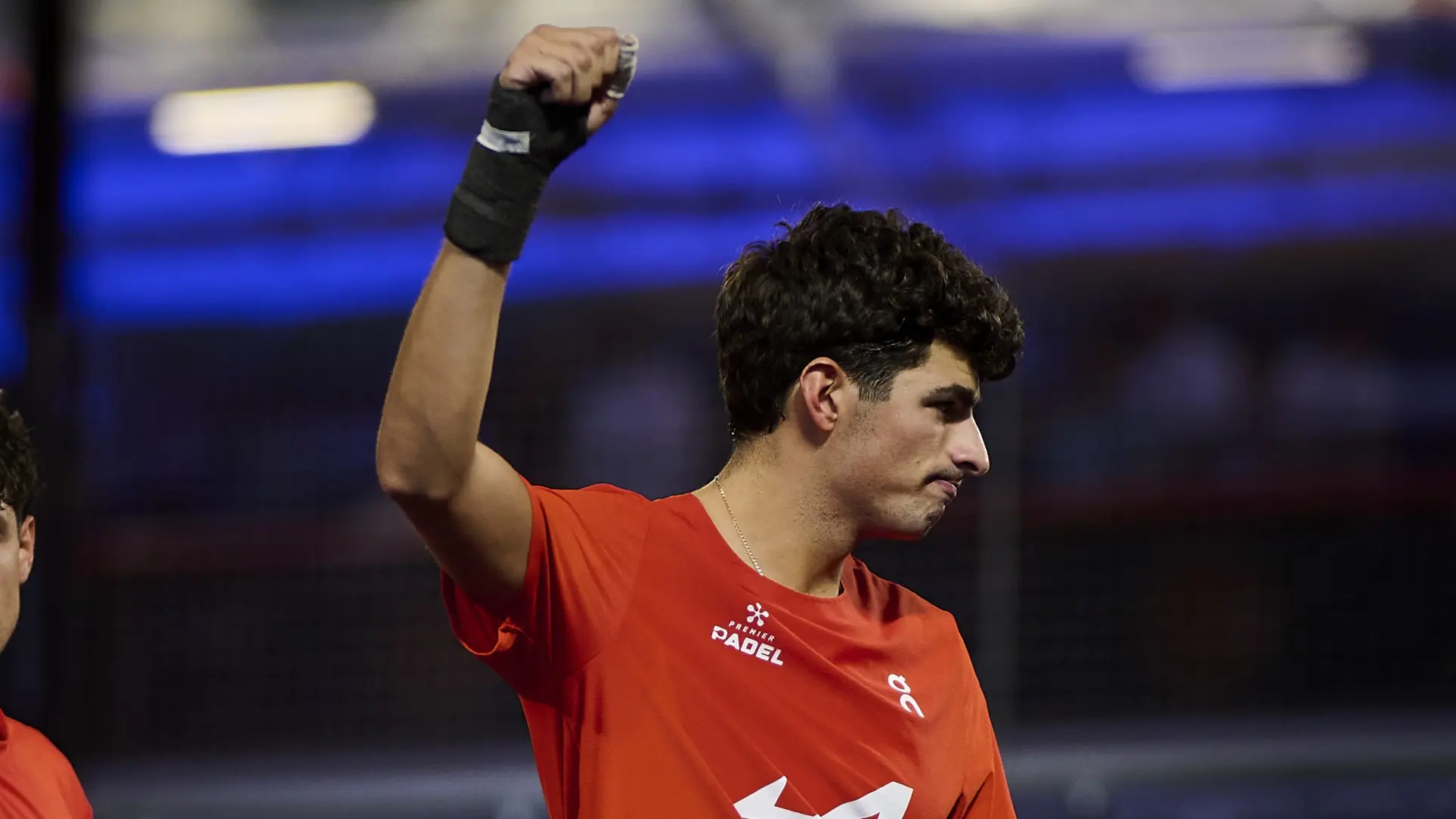 Pourquoi Arturo Coello joue-t-il avec la main droite bandée ?
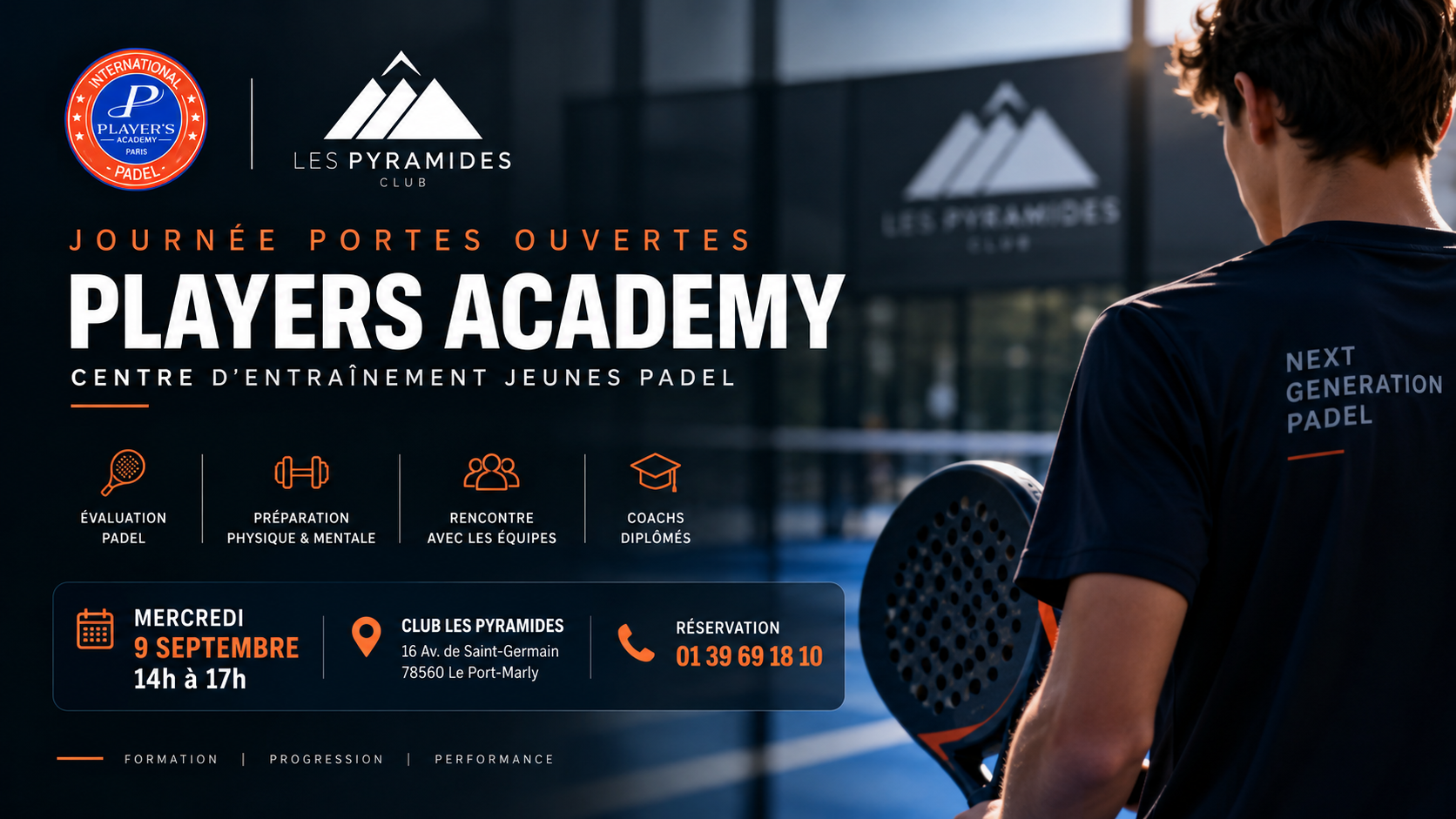 Les Pyramides : après 12 pistes de padel, le club mise sur la formation des jeunes