

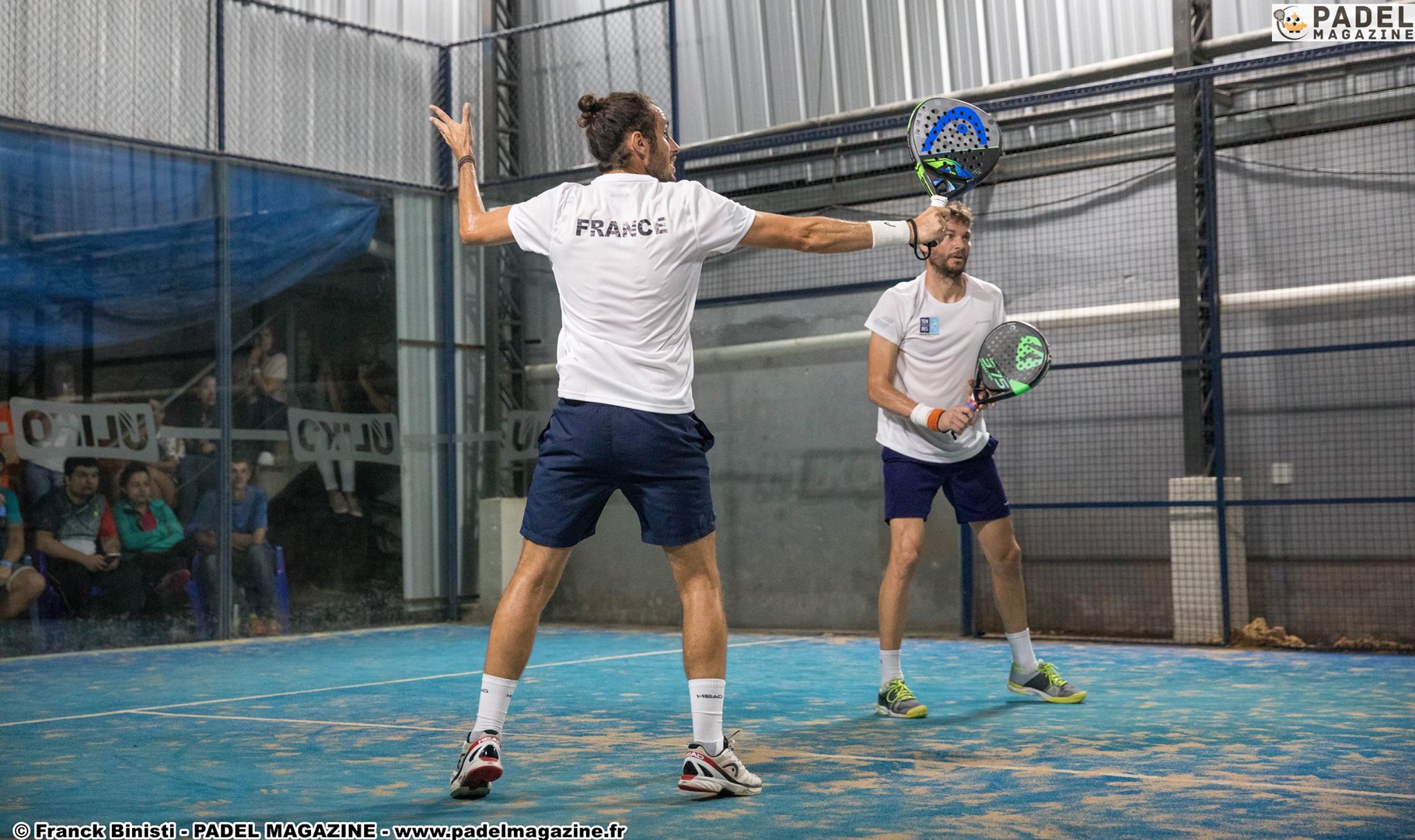







Padel is a team sport, so the relationship with your partner is essential. In addition, the training with teammates is an additional source of motivation, and during these sessions, being with your partner will enrich your experience with him, and you will know even better his qualities and his weaknesses that you will manage to fill.
The subtleties of training with his partner
Unlike one-on-one training (which is equally important as well), two-man training will focus on tactics, coordination, understanding, team communication, and less on technic.
During these practices, you will also work on how to compensate for the weaknesses of your partner, and yours too. Indeed, you will learn to put in place a tactic to avoid ending up in this or that situation uncomfortable for you or for your teammate. You will also learn how to behave with your partner, and how to react when he makes a mistake. For example, if he makes a mistake in the situations studied in advance where he is less comfortable, it will not help to shout at him. Reassure him instead!
Psychology in a team is the most important aspect. The more you work with your partner, the more effective you will be in the field. This is often overlooked by amateur players, but professional players have understood this, and spend time getting to know themselves, and their partner as well. Communication fits perfectly into the psychology of a pair. Indeed, the image that you send back to your partner (your gestures, your attitude, and your language) will define the effectiveness or not of your teammate during your padel tournament.
Organize your training session
There must be two types of training: technical training, tactical training, and training matches. These are important because they will allow you to be aware of the evolution of your team in terms of performance, and to try the new game tactics learned during training with your coach. Both types of training are necessary for the success of your padel tournament with your teammate. Indeed, the pressure management during tournament matches will not allow you to use some tactics you have just learned. That’s why it’s important to do training matches with different pairs every time to always test new things.
Tip: always playing with the same person is not always the best solution. By doing some games with other teammates, you will see other aspects of the game, and it will also enrich your experience. And when you replay with your usual teammate, you’ll be better. So, from time to time, change your partner.

Alexis Dutour est un passionné de padel. Avec sa formation en communication et en marketing, il met ses compétences au service du padel pour nous proposer des articles toujours très intéressants.

















































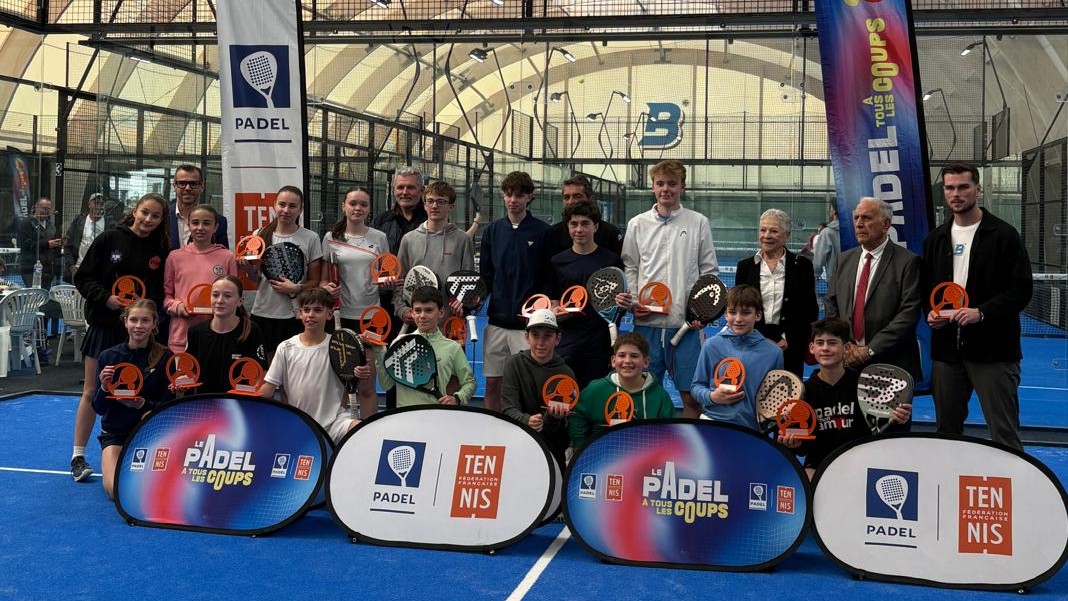 TNJ Saint-Victoret : 67 paires engagées et des finales révélatrices du niveau du padel jeunes
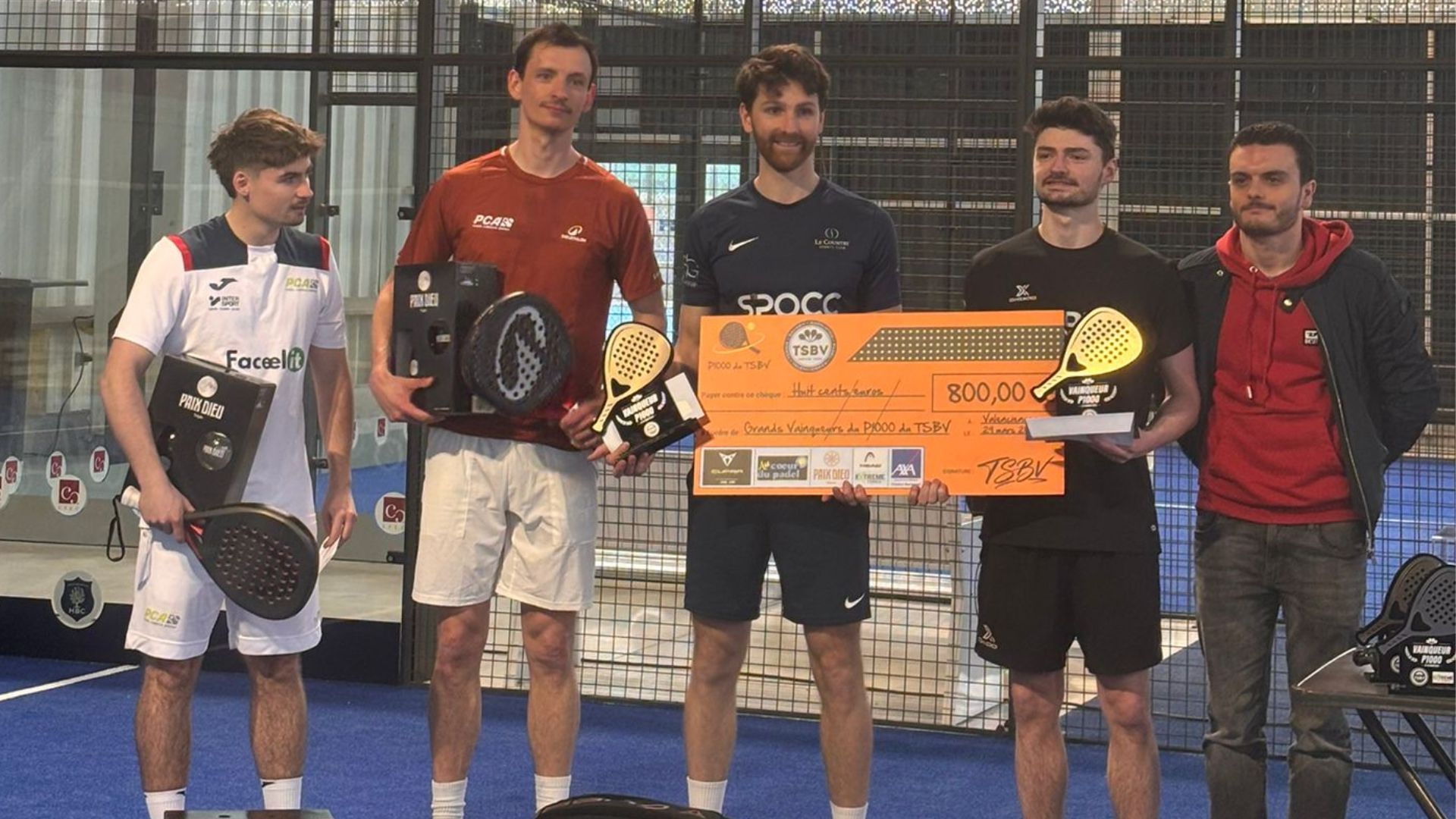 Perez Le Tiec et Deloyer tiennent leur rang et s’imposent au P1000 TSB Valenciennes
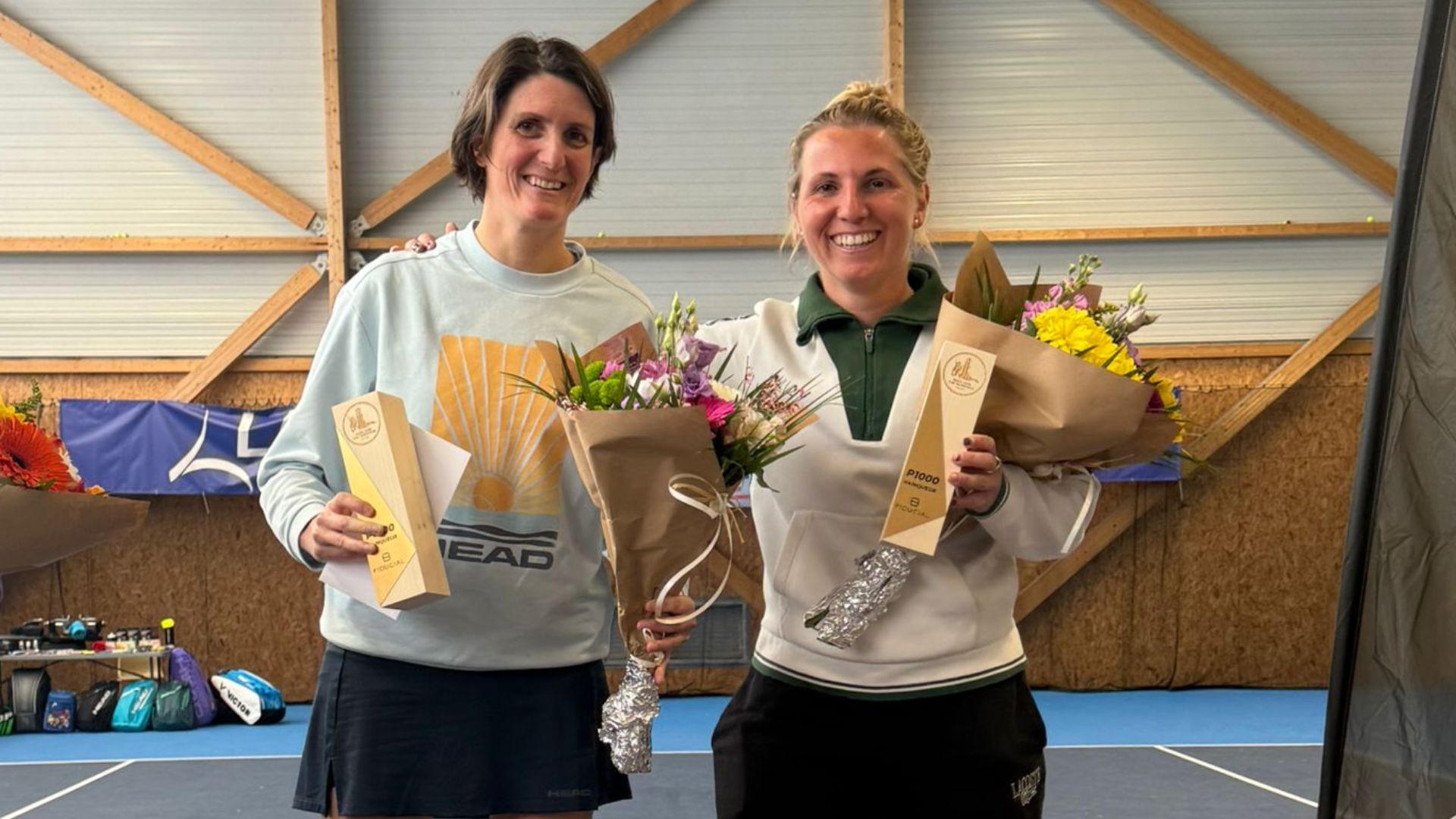 Moga et Lefèvre retournent la finale et décrochent le titre au P1000 Fiducial TPC Couëronnais
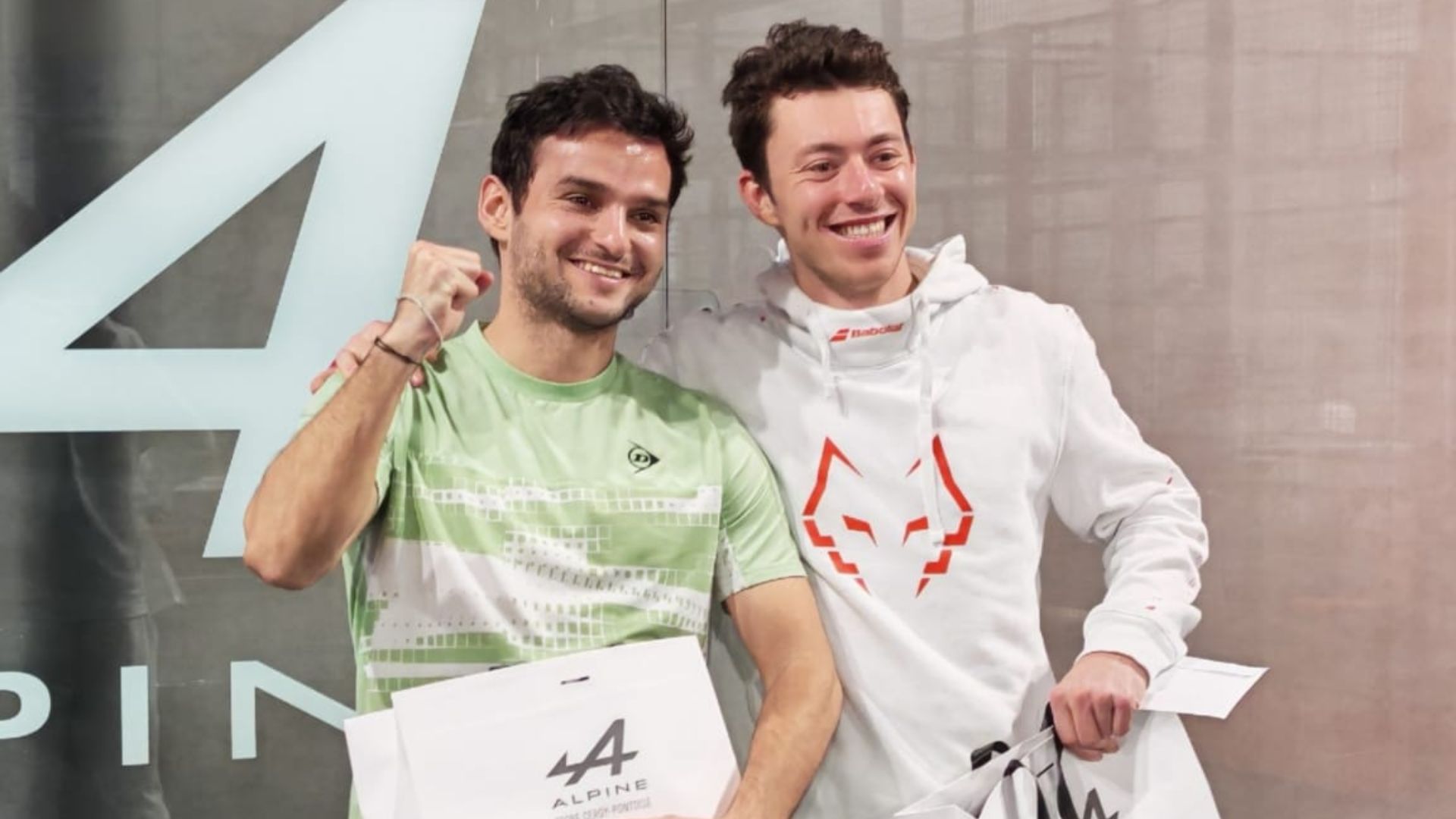 Trop forts en finale, Gortzounian et Filho s’adjugent le titre au P1000 2V2 Cormeilles
 Cédric Carité : 34 ans de padel et toujours la même obsession, mieux former les coachs
 Guillaume Solis : “Le FIP Promises Paris doit devenir une référence du padel jeune en Europe”
 Pablo Cardona : “J’ai touché le fond en janvier… ces deux mois ont été les pires de ma vie”
 P2000 Top Padel – Courrin / Seux renversent Maigret / Tison et s’offrent les demies à Toulouse
 FIP Tour – Débuts frustrants pour les Français en Italie
 P1 Miami – Démonstration de force des quatre meilleures paires chez les dames
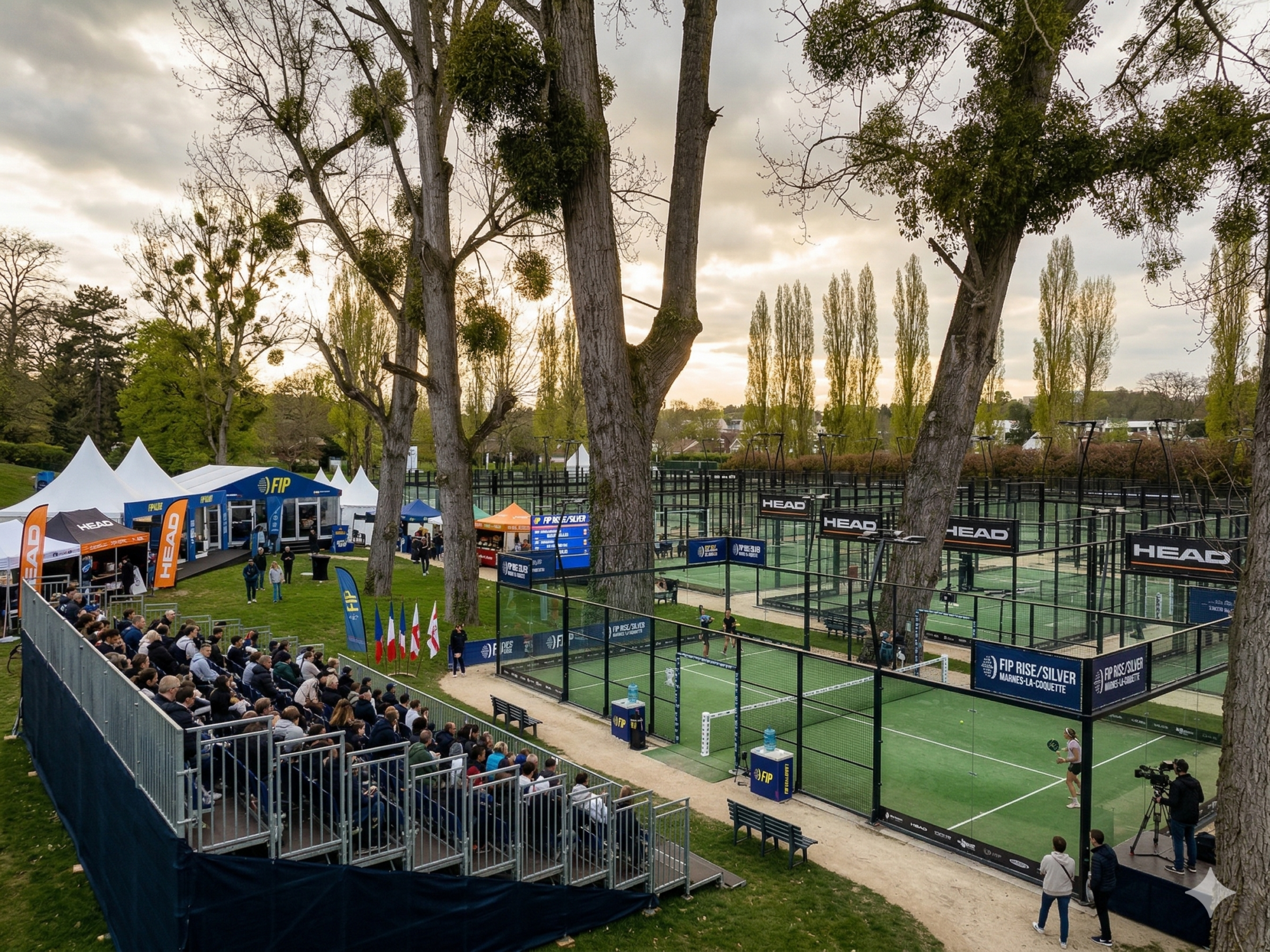 Marnes-la-Coquette au cœur du padel international en 2026 avec deux tournois FIP
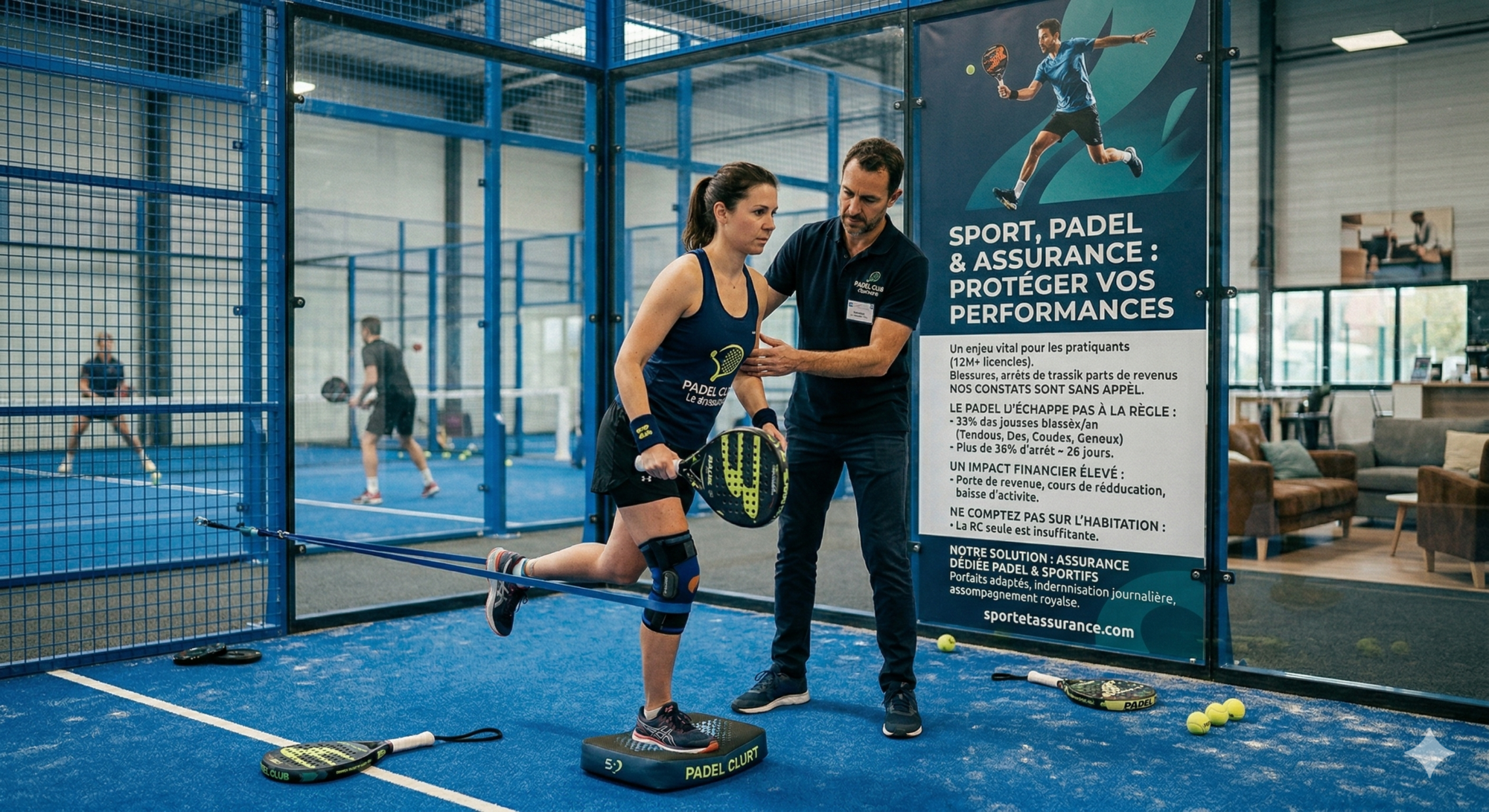 Sport et assurance : pourquoi la protection des pratiquants devient un enjeu majeur
 Printemps 2026 : profitez des bons plans sur le matériel de padel
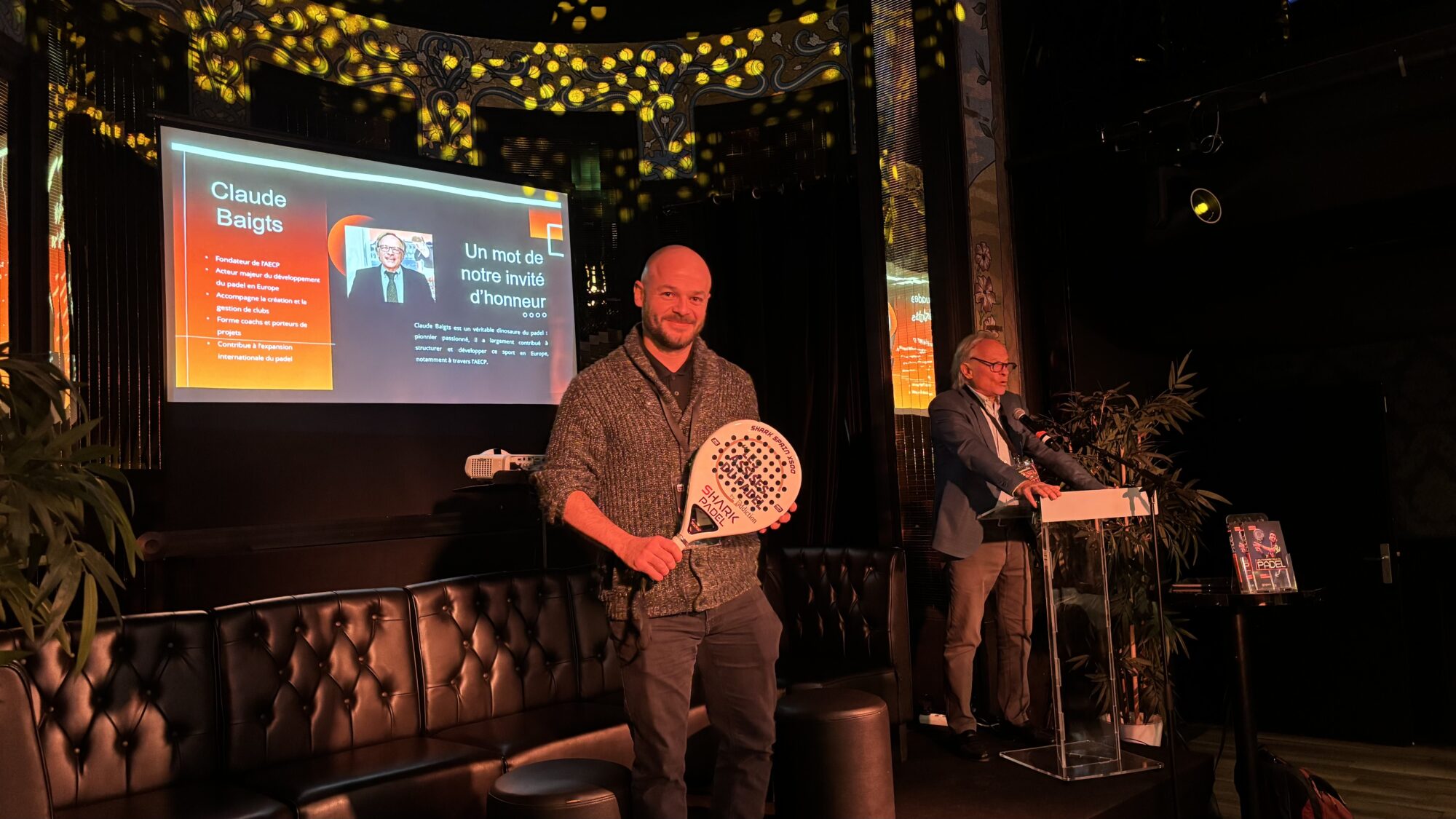 Les Assises du Padel : Pierre-Emmanuel Gillaizeau dévoile les coulisses d’un événement en pleine structuration
 Miami P1 : le craquage de Juan Lebrón qui change tout
 Éric Largeron : un padel français en mutation entre structuration, formation et professionnalisation
 « Tenemos prisa » : la signature Galán / Chingotto
 10 situations que tous les joueurs de padel ont déjà vécues
 Comprendre les effets pour mieux jouer au padel
 Air padel : pourquoi les pros répètent “dans le vide” (et comment l’utiliser sans tomber dans le gadget)
 La vibora décomposée : transfert, plan de frappe et sensations
 Et Ducati créa la pala la plus rapide du monde !
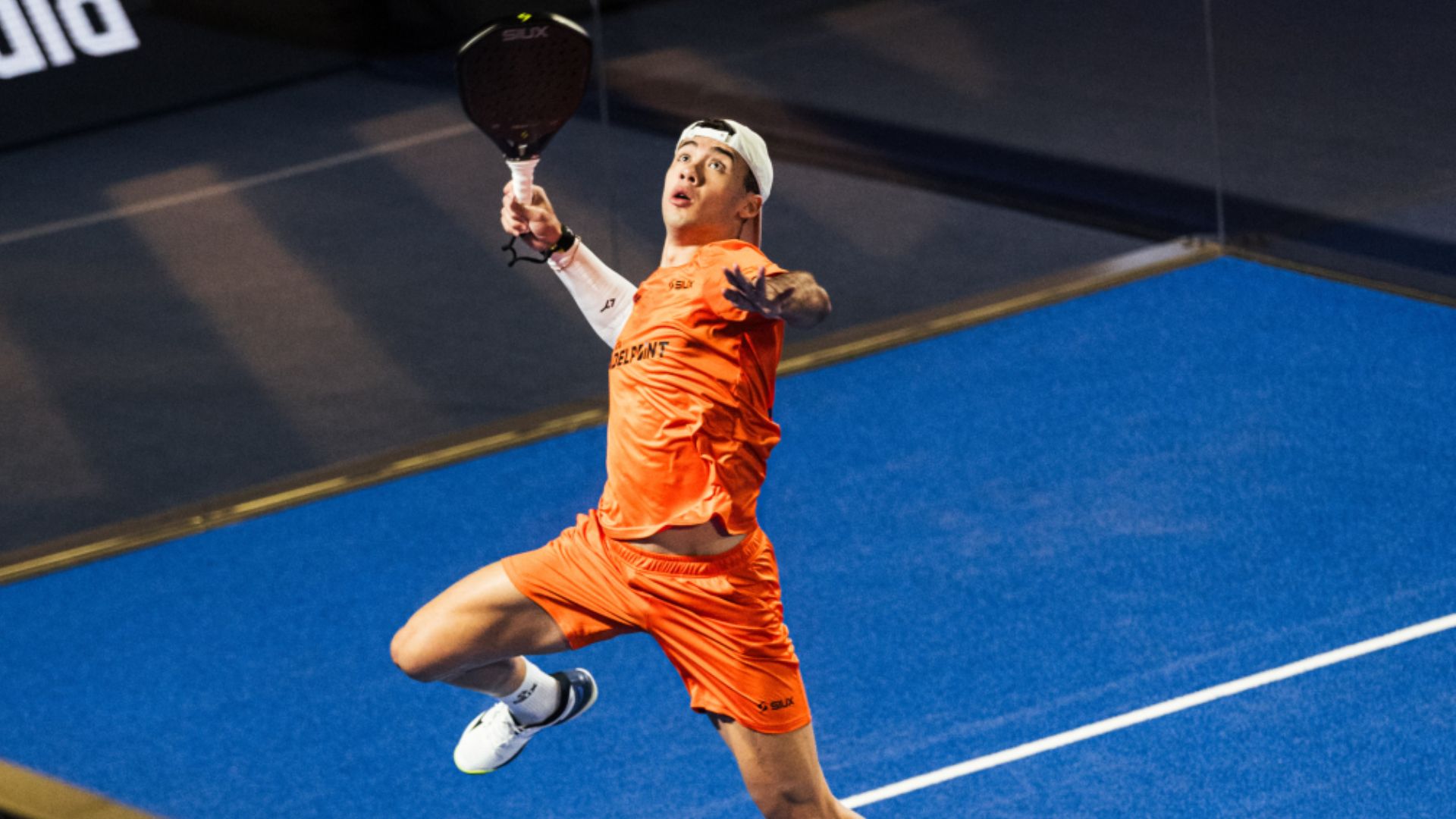 Augsburger, le smash comme signature : entre génie et précipitation
 L’analyse tactique de Mario Cordero sur un match de Léo – Meilleur sportif
 Joueurs de droite : le choc des approches générationnelles
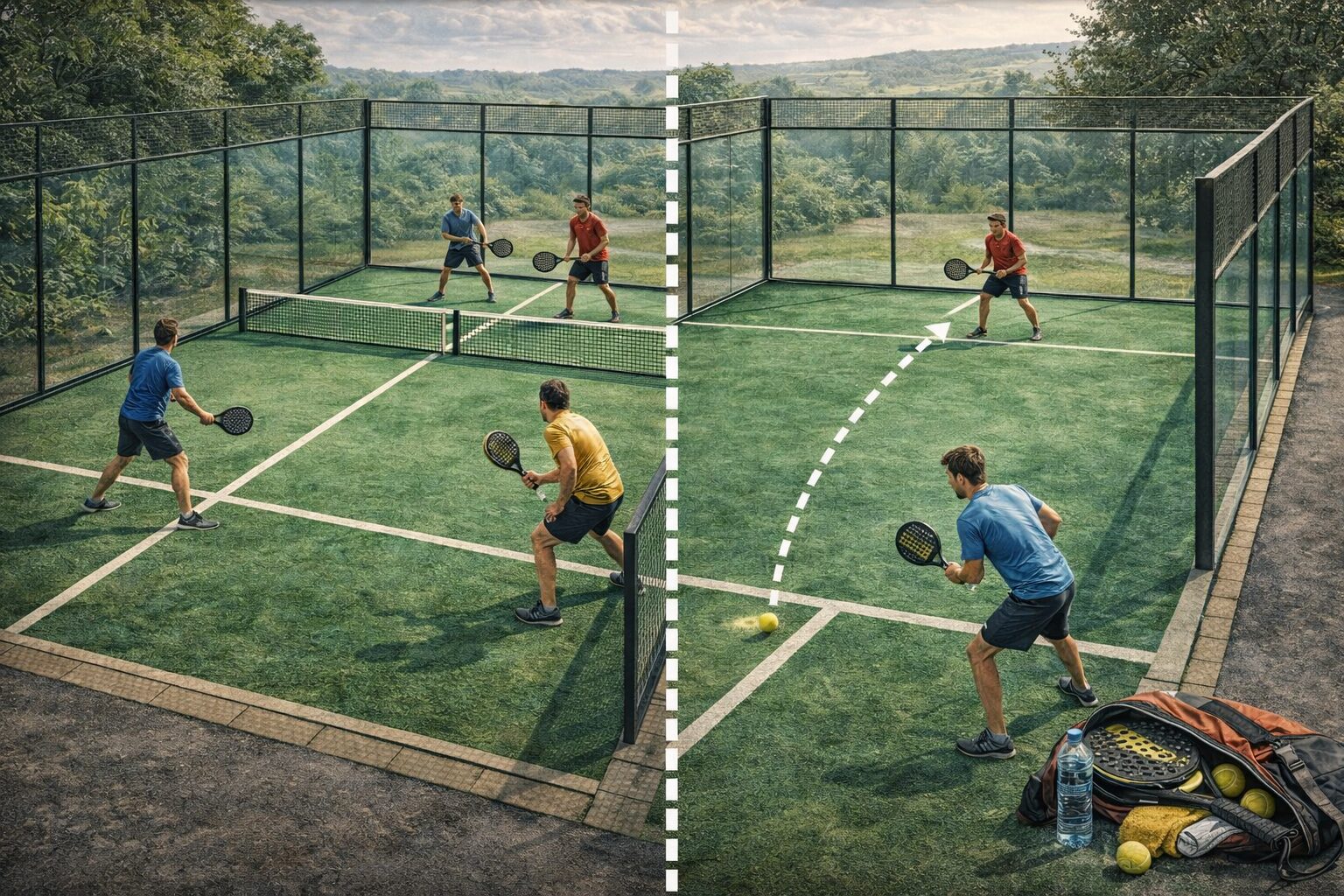 Combien de joueurs au padel ? Toutes les configurations possibles
 Comment servir au padel : technique et règles du service
 Règles du padel : le guide complet pour débutants (2026)
 Yanguas : d’immenses qualités au service d’un mental encore fragile
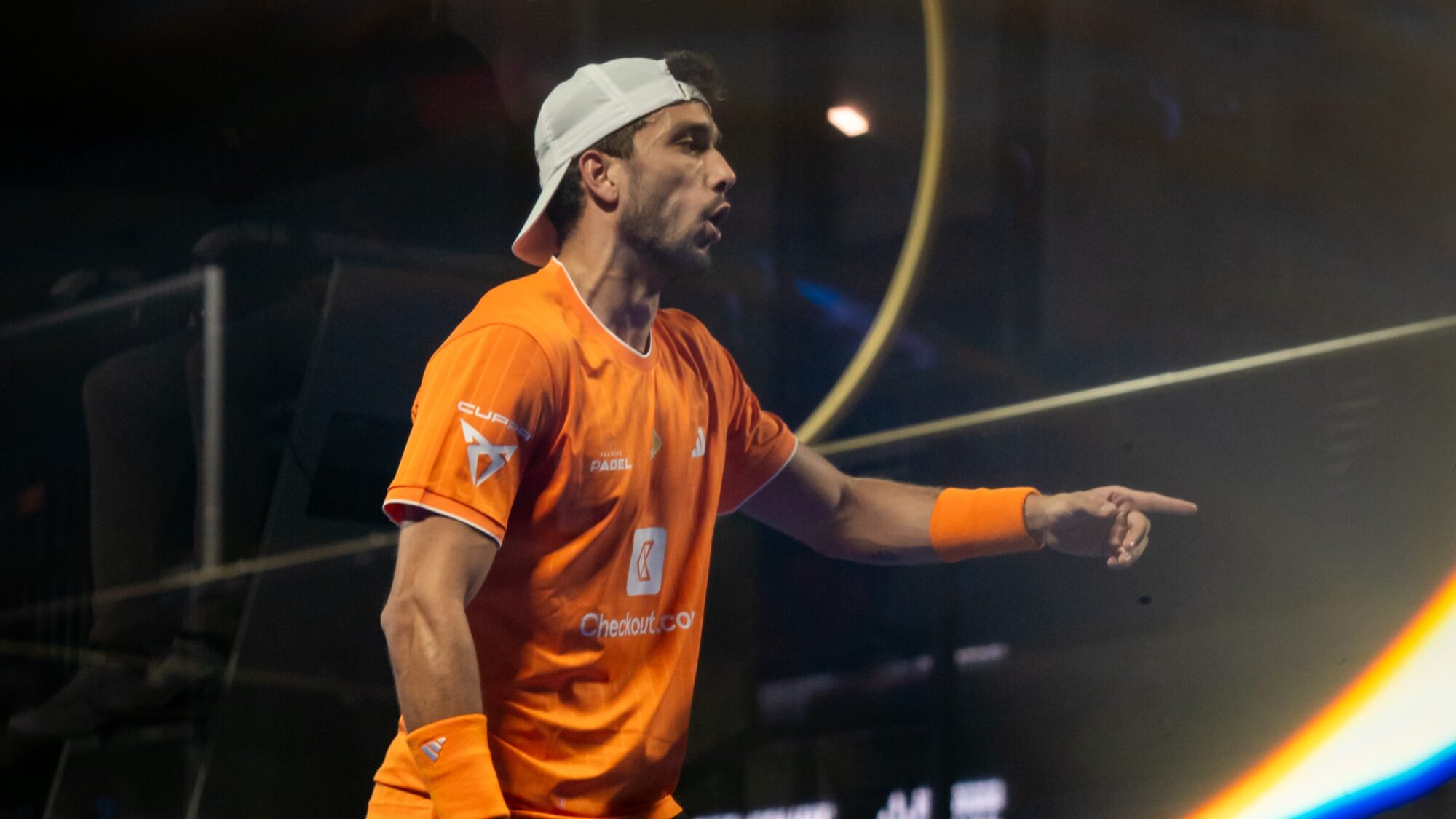 Ale Galán : une main meutrie mais qui ne l’arrête pas !
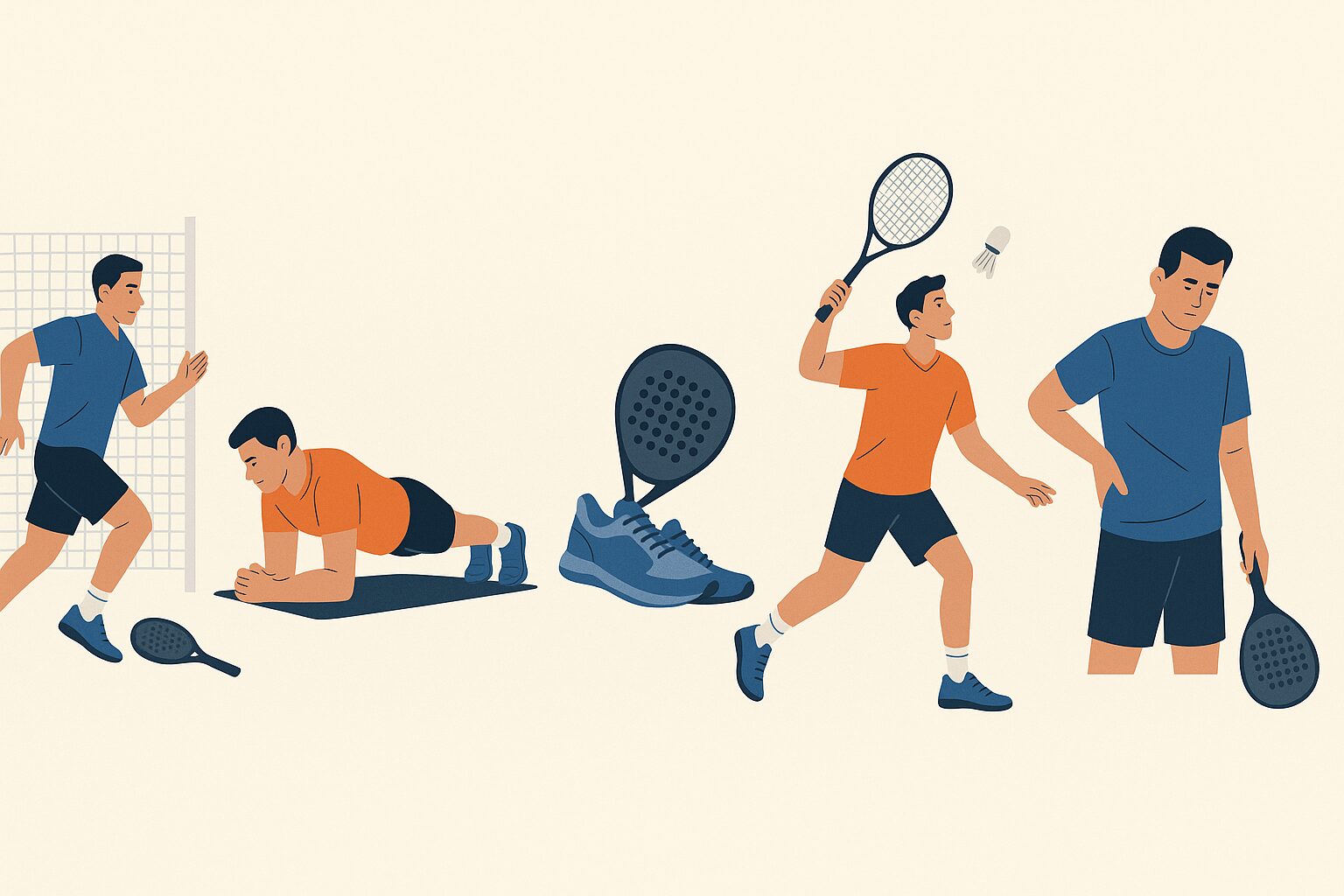 Prévenir les blessures au padel : les méthodes qui permettent de jouer plus longtemps
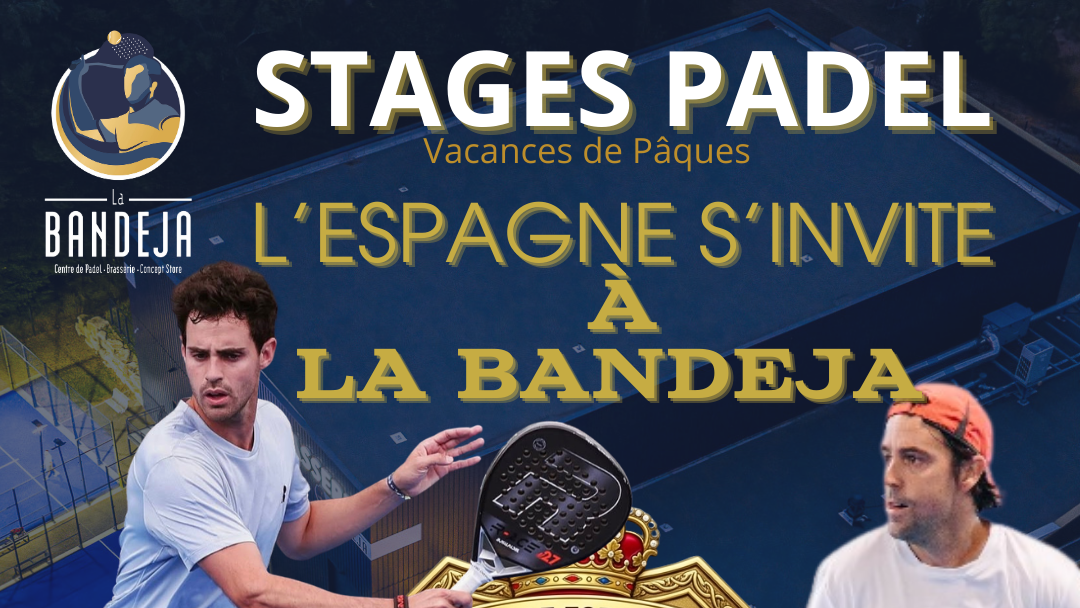 L’Espagne s’invite à La Bandeja avec deux stages intensifs de padel
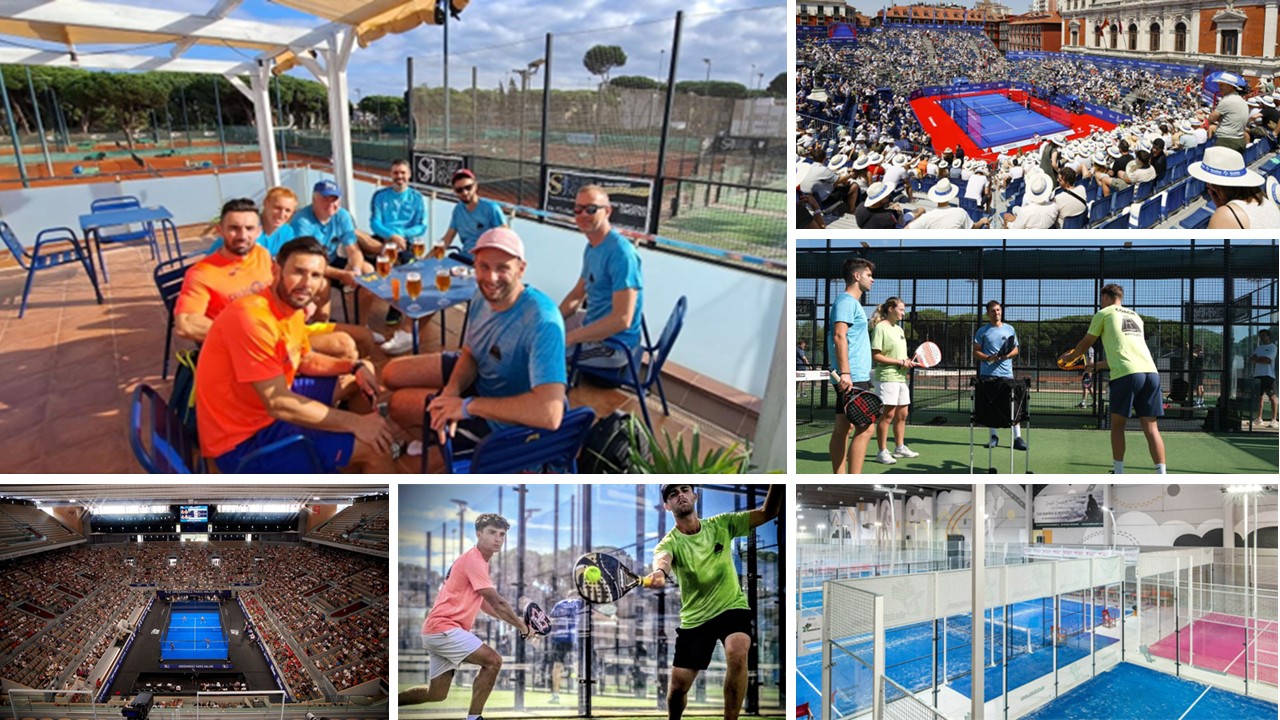 Espagne – France : deux modèles qui façonnent le padel européen
 AECP et Padel Sport Academy signent un protocole d’amitié et d’assistance mutuelle