

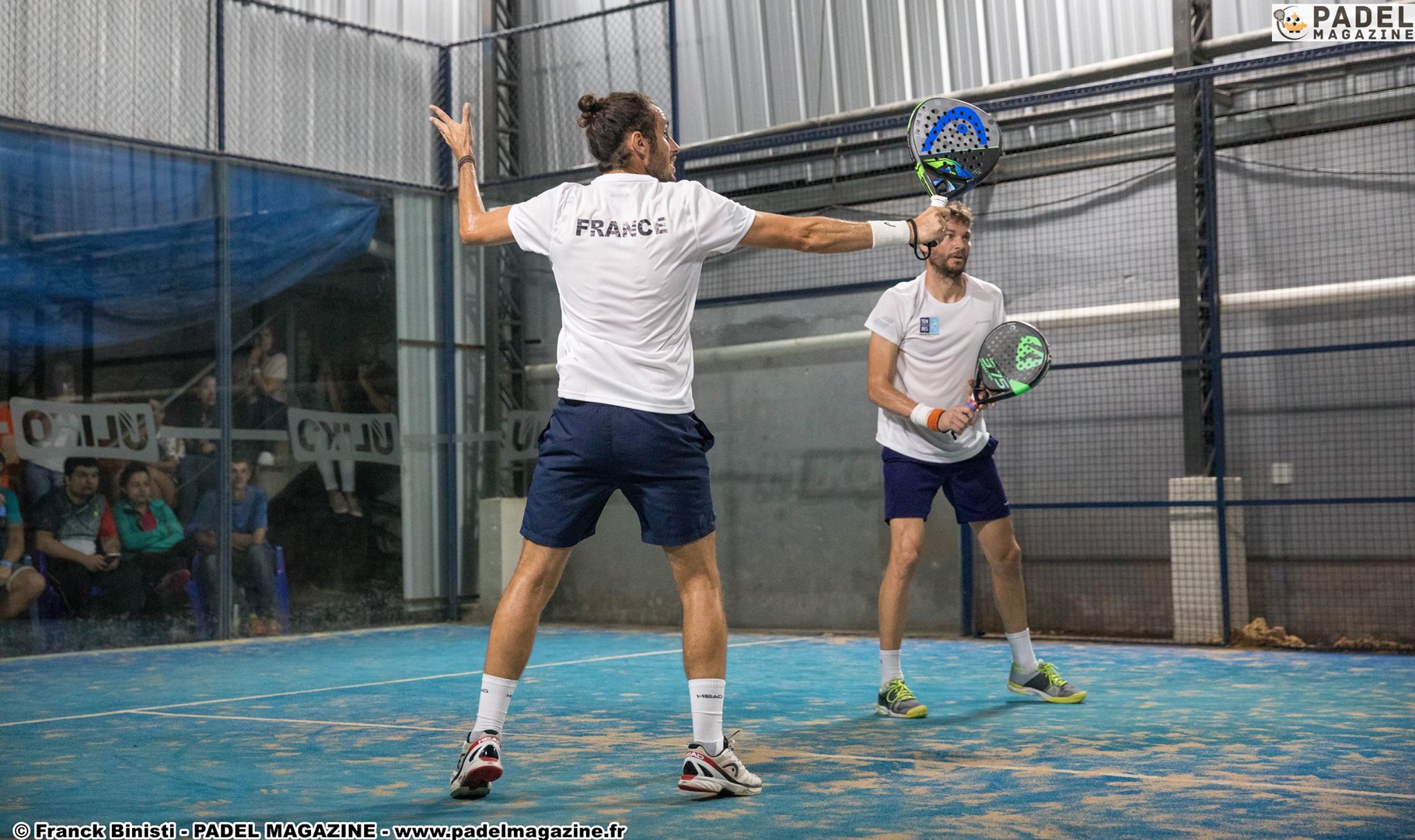







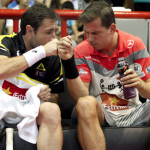
Padel is a team sport, so the relationship with your partner is essential. In addition, the training with teammates is an additional source of motivation, and during these sessions, being with your partner will enrich your experience with him, and you will know even better his qualities and his weaknesses that you will manage to fill.
The subtleties of training with his partner
Unlike one-on-one training (which is equally important as well), two-man training will focus on tactics, coordination, understanding, team communication, and less on technic.
During these practices, you will also work on how to compensate for the weaknesses of your partner, and yours too. Indeed, you will learn to put in place a tactic to avoid ending up in this or that situation uncomfortable for you or for your teammate. You will also learn how to behave with your partner, and how to react when he makes a mistake. For example, if he makes a mistake in the situations studied in advance where he is less comfortable, it will not help to shout at him. Reassure him instead!
Psychology in a team is the most important aspect. The more you work with your partner, the more effective you will be in the field. This is often overlooked by amateur players, but professional players have understood this, and spend time getting to know themselves, and their partner as well. Communication fits perfectly into the psychology of a pair. Indeed, the image that you send back to your partner (your gestures, your attitude, and your language) will define the effectiveness or not of your teammate during your padel tournament.
Organize your training session
There must be two types of training: technical training, tactical training, and training matches. These are important because they will allow you to be aware of the evolution of your team in terms of performance, and to try the new game tactics learned during training with your coach. Both types of training are necessary for the success of your padel tournament with your teammate. Indeed, the pressure management during tournament matches will not allow you to use some tactics you have just learned. That’s why it’s important to do training matches with different pairs every time to always test new things.
Tip: always playing with the same person is not always the best solution. By doing some games with other teammates, you will see other aspects of the game, and it will also enrich your experience. And when you replay with your usual teammate, you’ll be better. So, from time to time, change your partner.

Alexis Dutour est un passionné de padel. Avec sa formation en communication et en marketing, il met ses compétences au service du padel pour nous proposer des articles toujours très intéressants.

























































 FIP Gold Melilla : fin de parcours pour Guy de Chamisso, battu par Alonso / Goñi en quart de finale
 Kuwait Major : Fonteny / Moragues lancent leurs qualifications, Leygue / Moya directement au deuxième tour
 Mondial 2026 : Coello / Galán face à Tapia / Chingotto, le duel que tout le padel rêve de voir ?
 Coki Nieto envisage de passer à droite : « Les autres arrivent comme des avions physiquement »
 Jérôme Inzerillo : « Le padel français a besoin de structures, de bons entraîneurs et de jeunes qui s’investissent »
 Michel Corbière (Forest Hill) : « Il va y avoir beaucoup de mauvais clubs de padel, parce qu’il y en aura trop aux mauvais endroits… »
 Michel Corbière (Forest Hill) : « Je ne peux pas mourir sans savoir jouer au tennis »
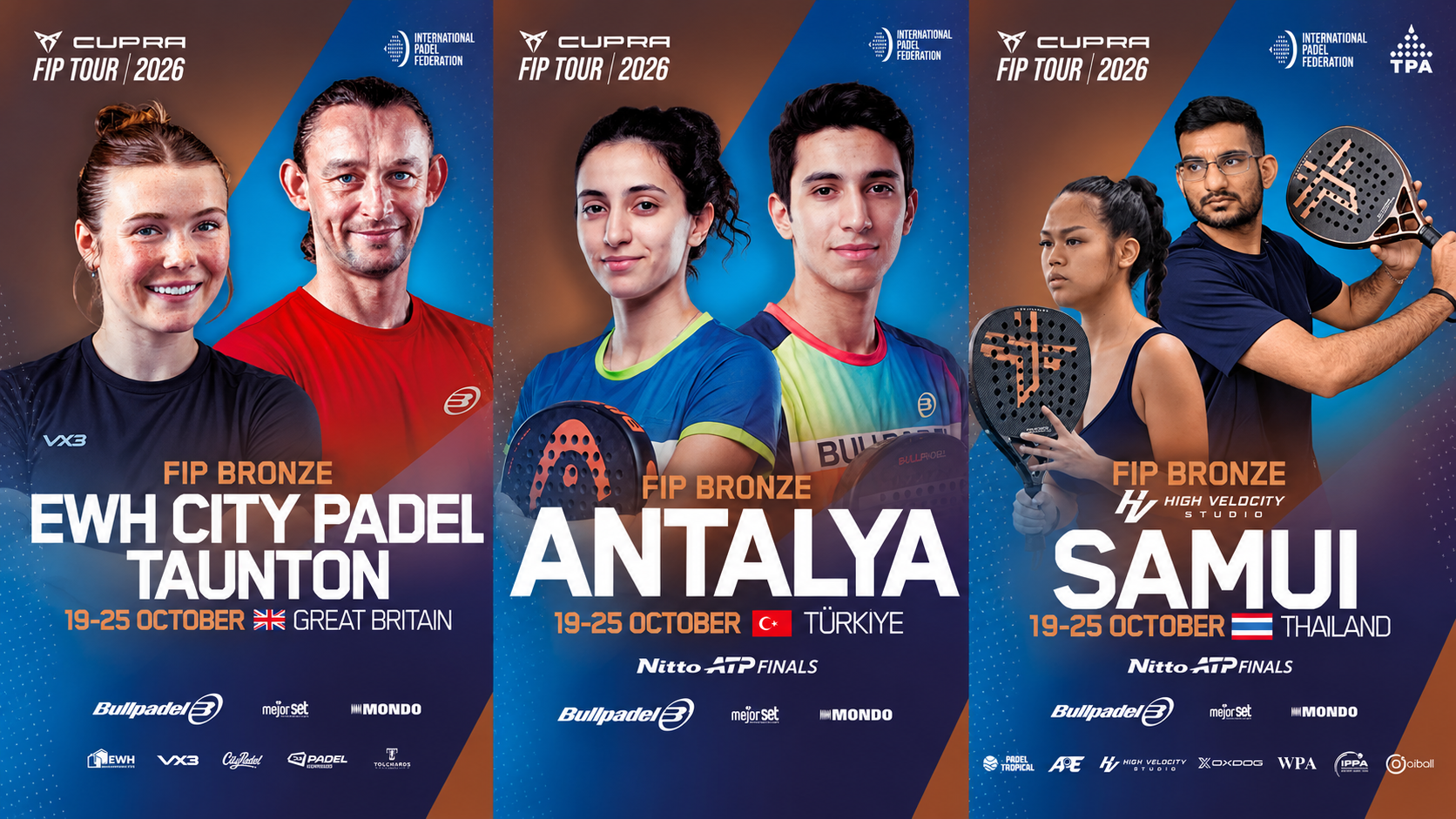 FIP Tour – Blanqué, Hugounenq, Merah… le programme des Français ce vendredi, avec plusieurs têtes de série dans le viseur
 FIP Gold Melilla – Guy de Chamisso / Lasgoity face à Alonso / Goñi : à 17 ans, un nouveau rendez-vous face à l’élite mondiale
 Padel amateur : pourquoi PISTA veut mettre fin au casse-tête des niveaux entre joueurs
 Leo Augsburger avant les Mondiaux : « Avec Tino Libaak à droite, on peut battre n’importe qui »
 Le padel pèse 8,6 milliards d’euros dans l’économie mondiale en 2026
 Le padel dépasse le million de licenciés dans le monde : une croissance de 31 %
 France, Allemagne, Royaume-Uni : les trois nouveaux moteurs du padel européen
 Padel mondial : l’Espagne reste la référence, mais la France et ses voisins accélèrent
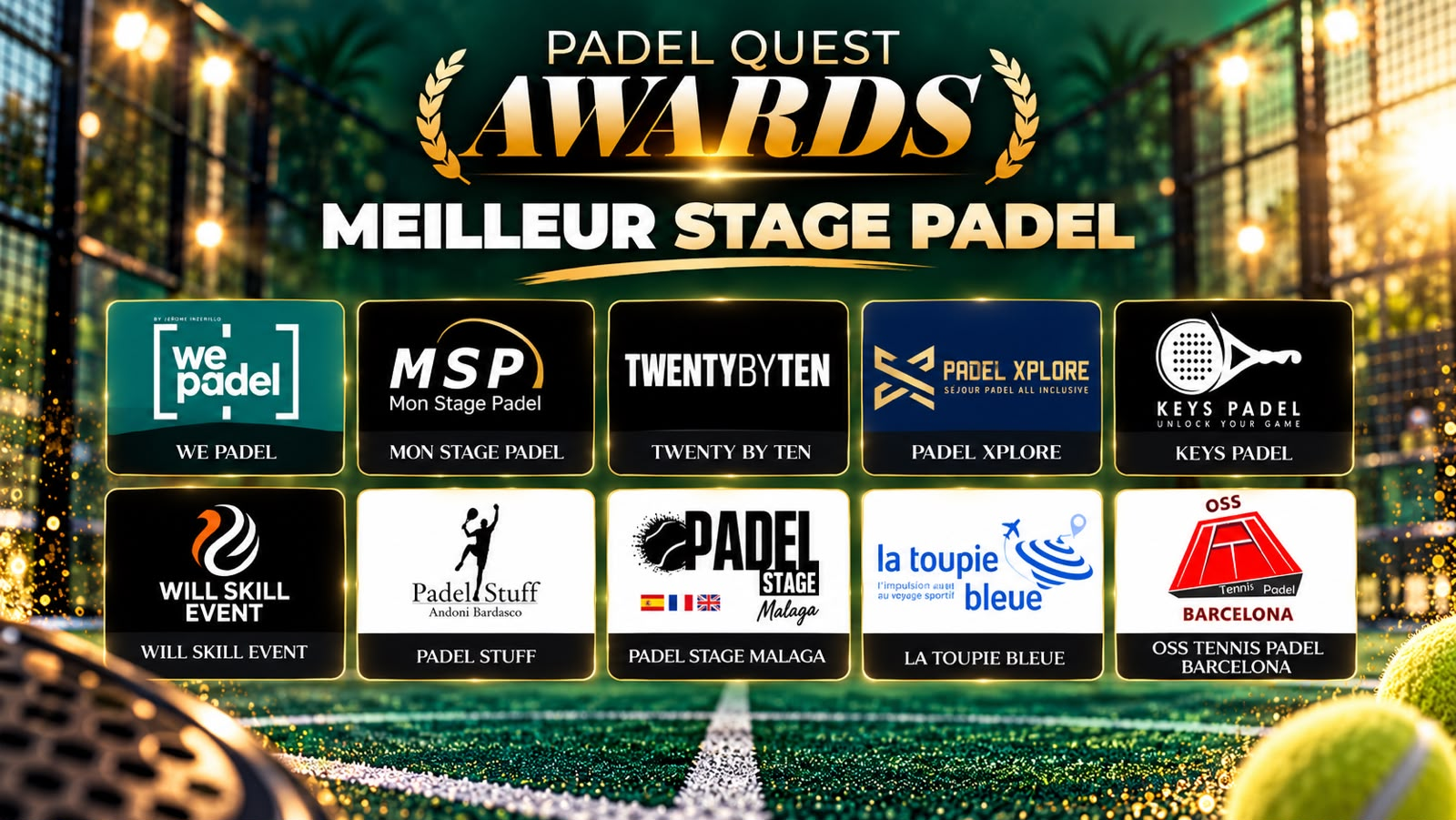 Padel Quest Awards : dix spécialistes en lice pour le titre de meilleur stage de padel de l’année
 Perd-on son classement Padel FFT après plus d’un an sans licence / sans compétition ?
 Padel Xperience : l’Académie ouvre le 2 novembre à Marcheprime, avant l’inauguration du complexe en 2027
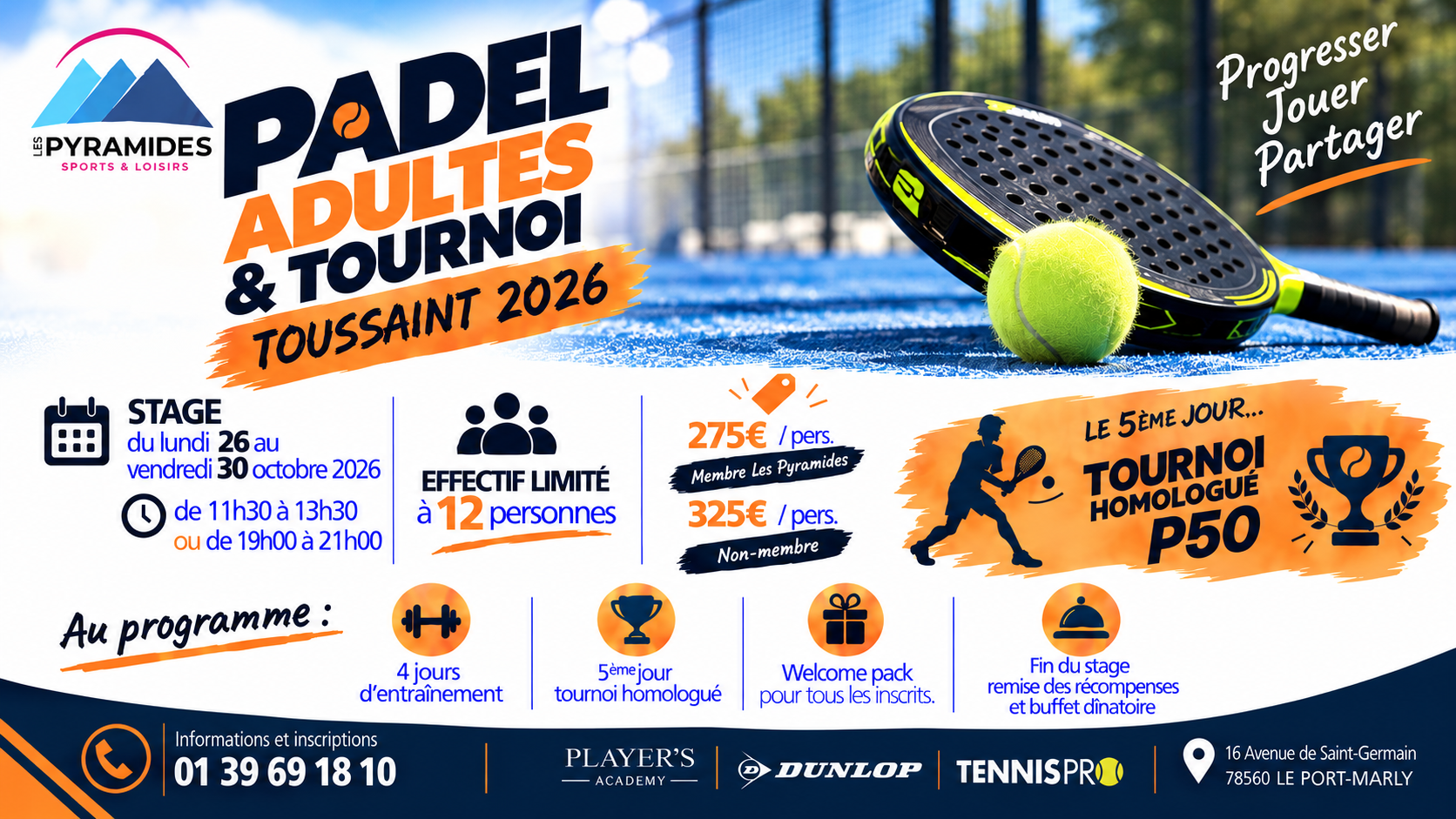 La Toussaint – Les Pyramides organisent un stage de padel pour adultes avec un tournoi P50 pour clôturer la semaine
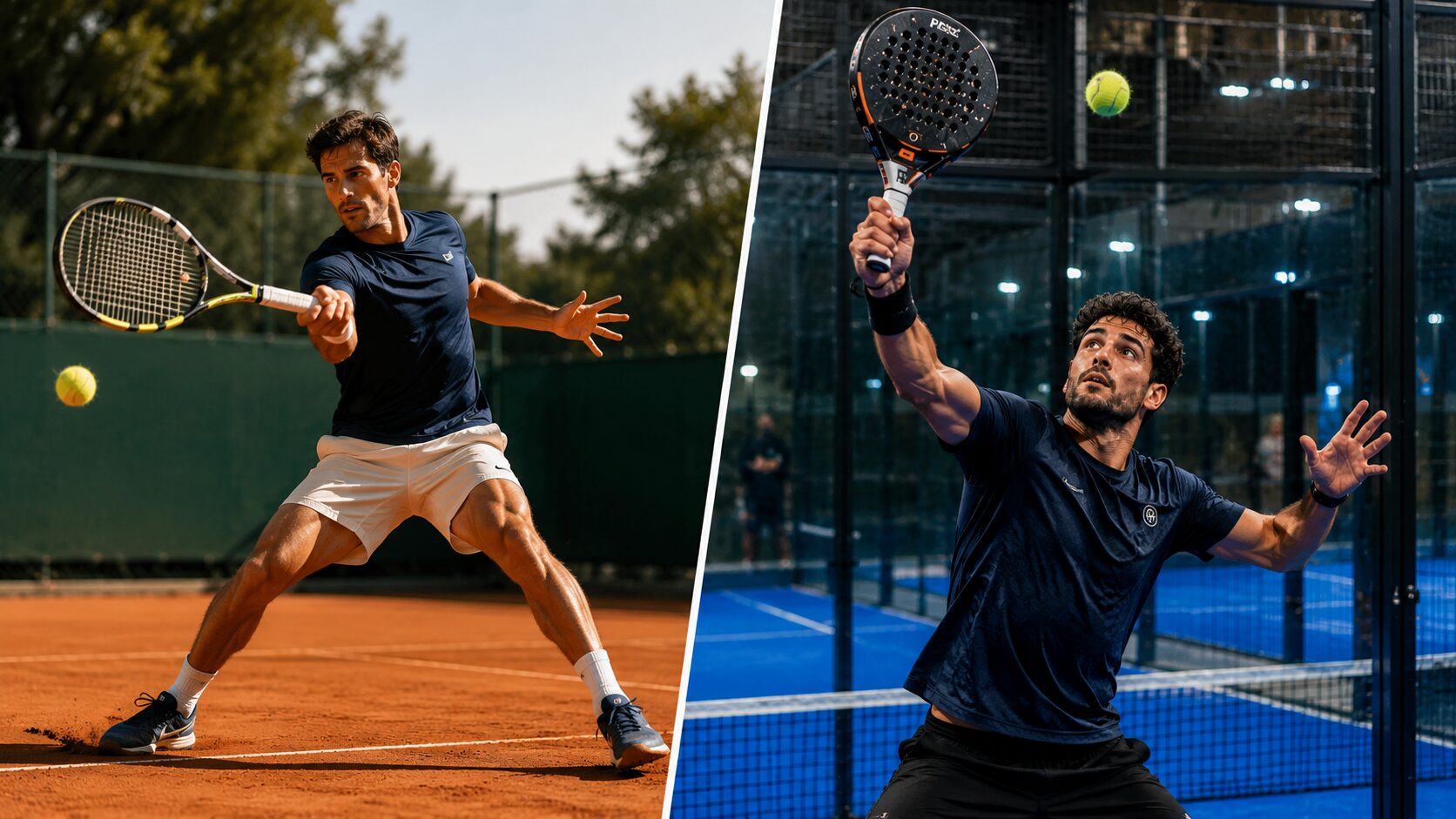 Ce que révèle l’analyse du geste : coup droit tennis vs bandeja padel
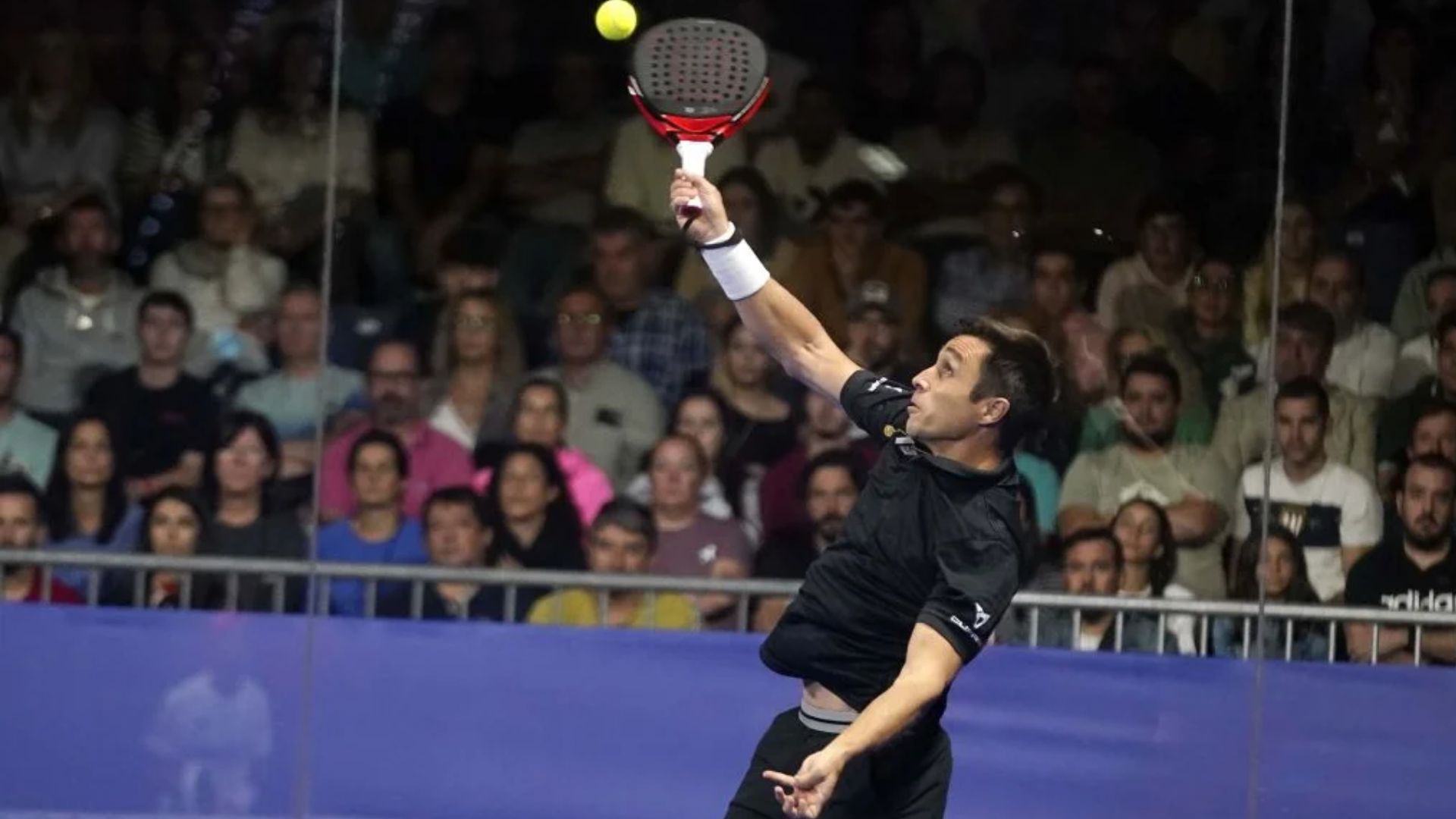 La bandeja a-t-elle disparu du padel moderne ?
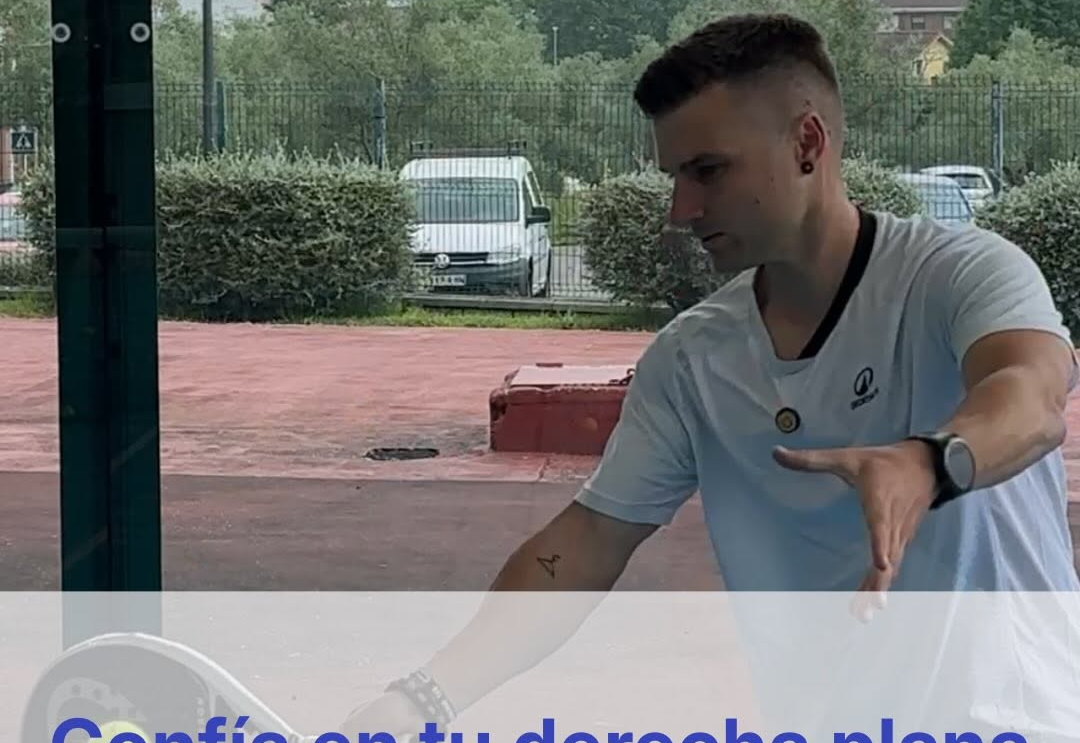 Coup droit à plat au padel : les 5 exercices de Cristian Álvarez pour gagner en contrôle et en efficacité
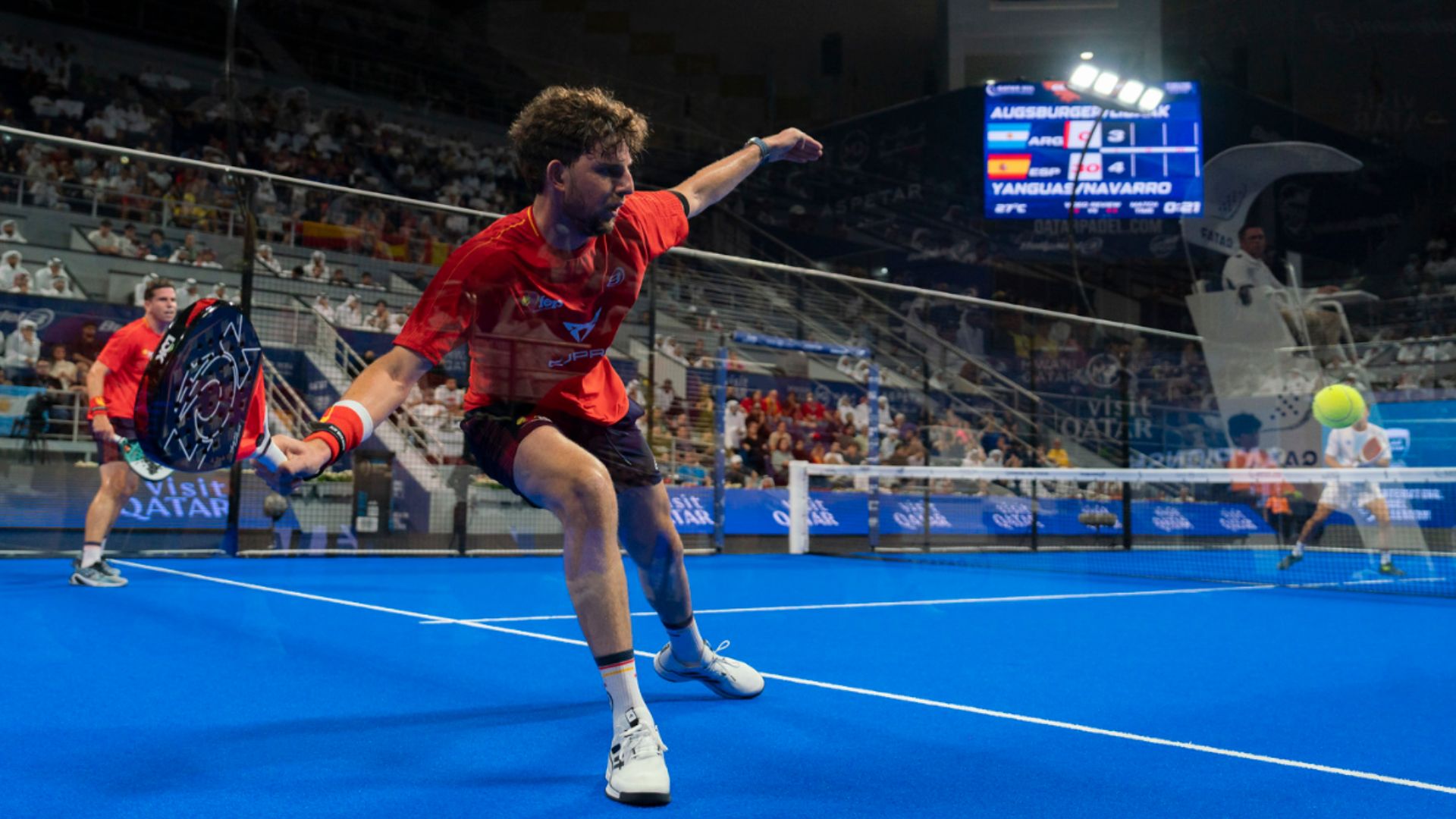 Pourquoi savoir jouer à droite et à gauche peut faire la différence
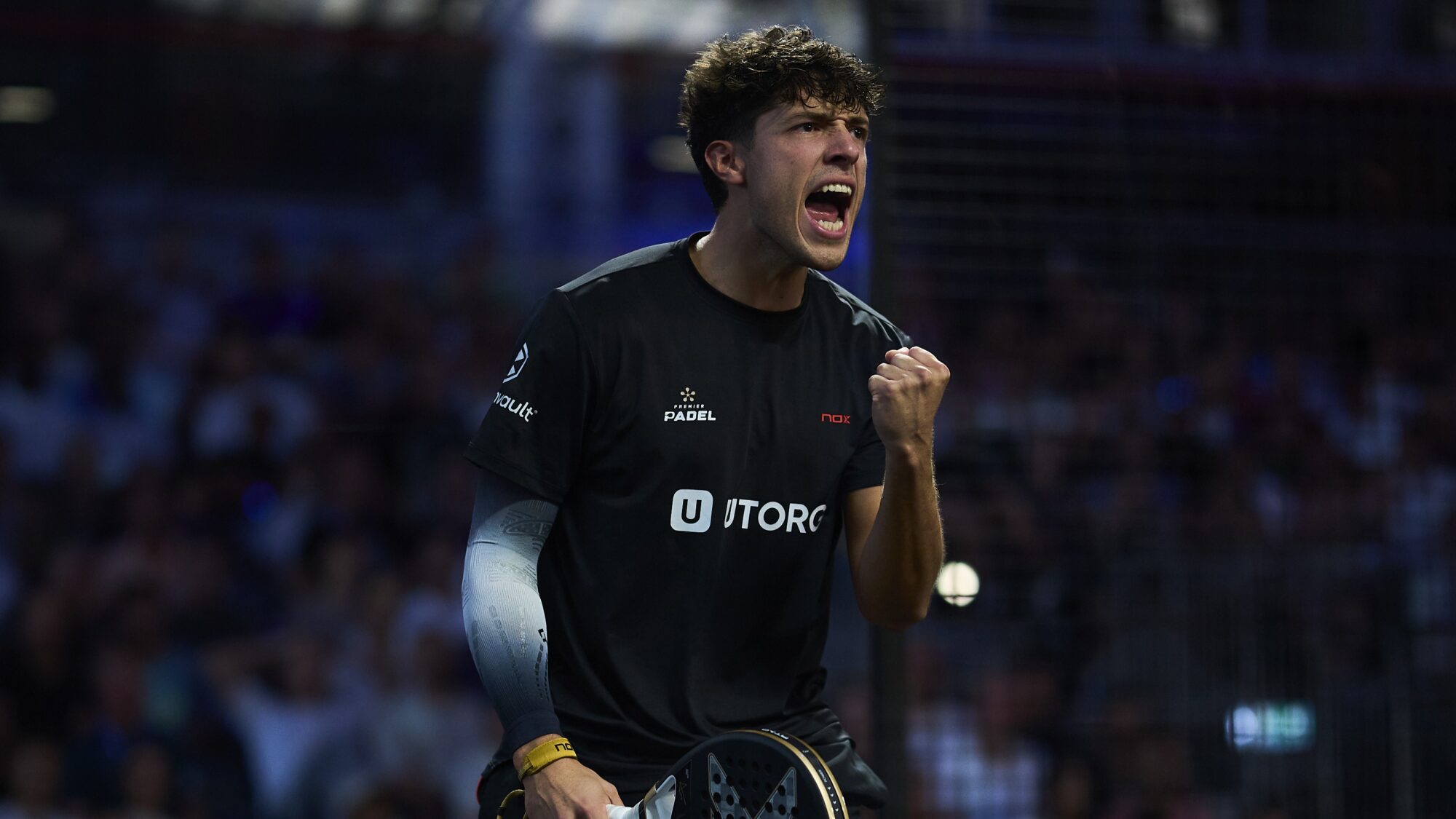 Tapia donne la recette pour battre Coello / Tapia : « Je jouerais tout sur moi »
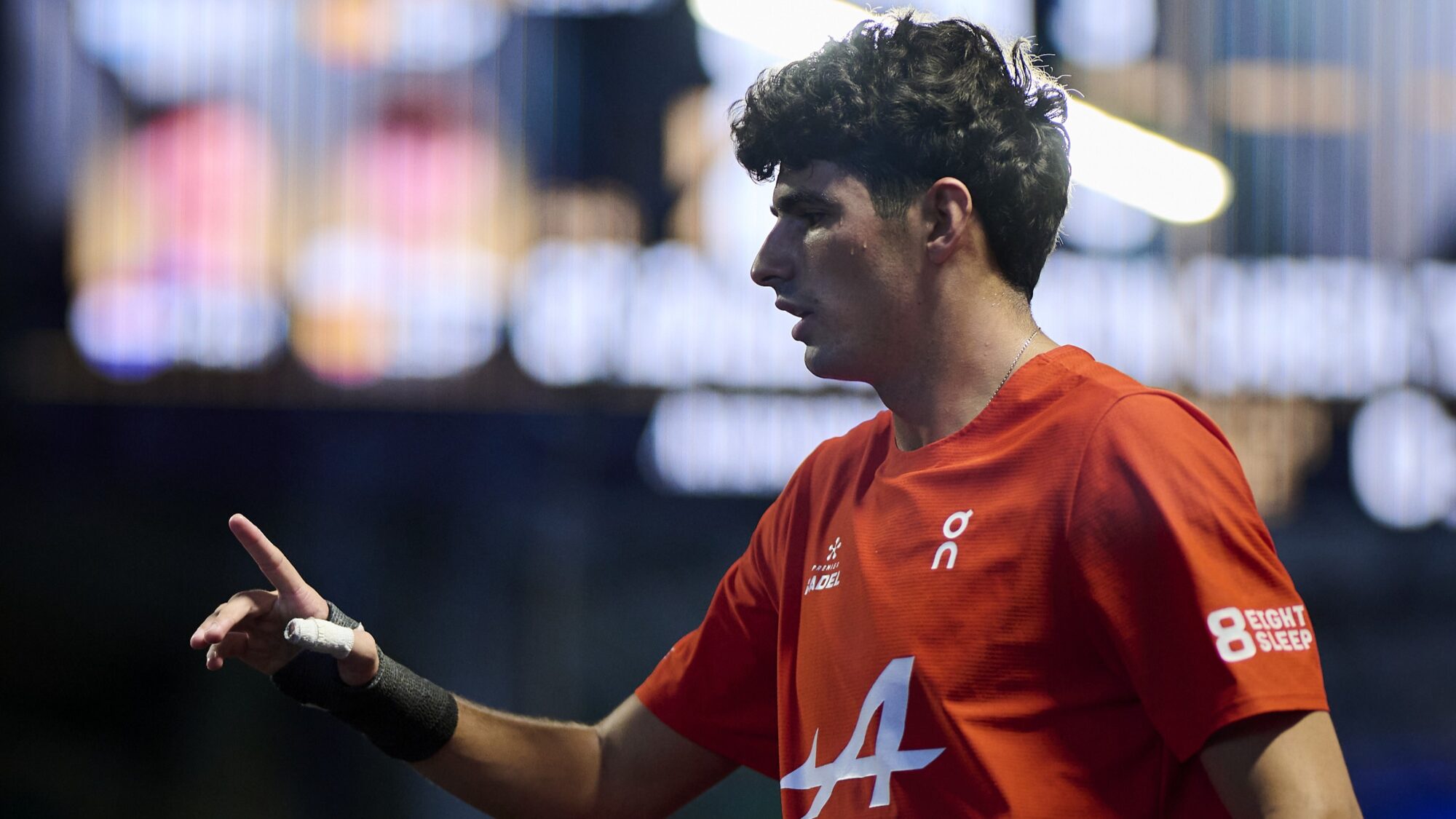 Comment Coello a désamorcé le plan de jeu de Chingotto
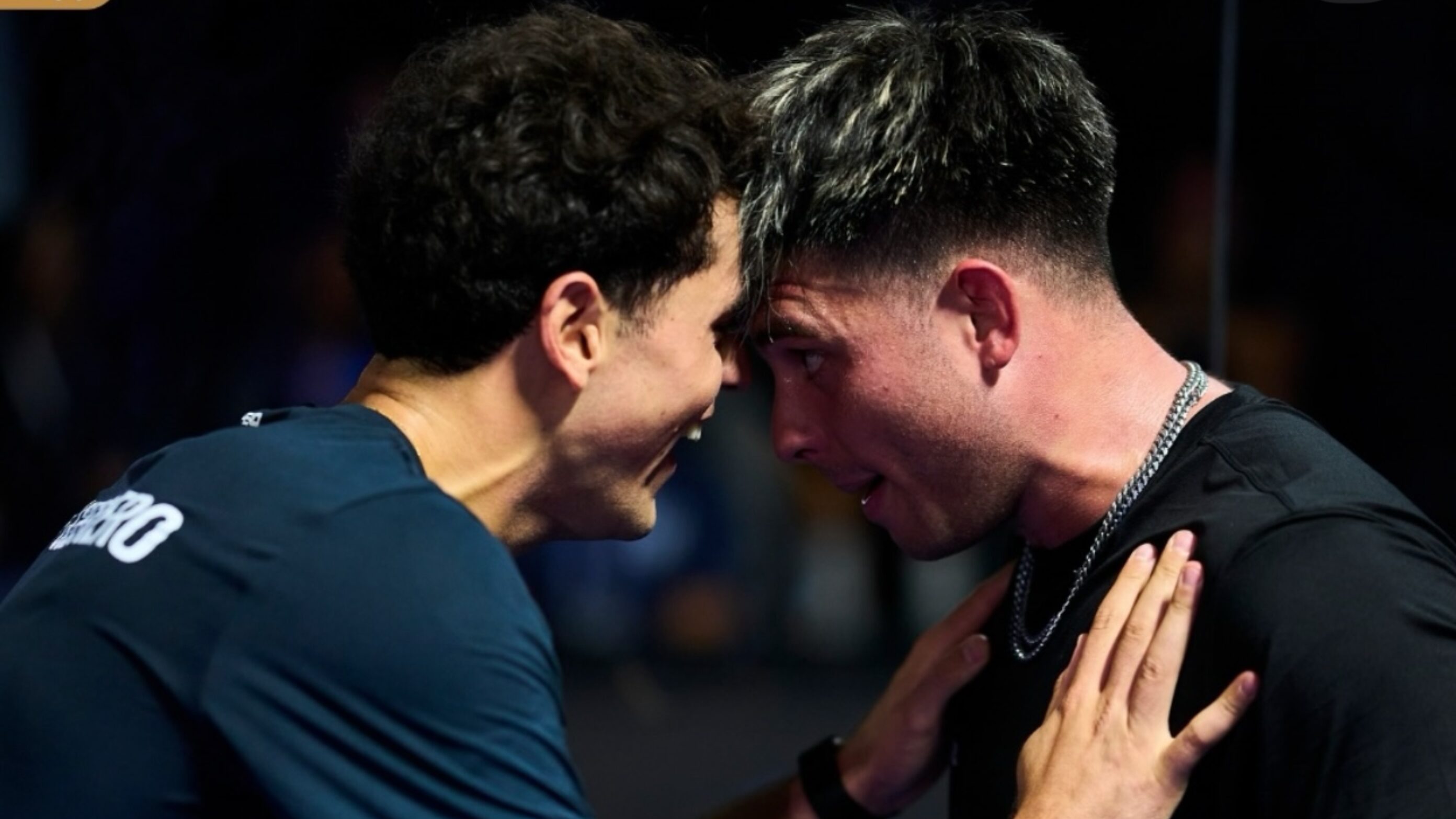 Au padel, l’alchimie d’une paire compte-t-elle autant que le niveau individuel ?
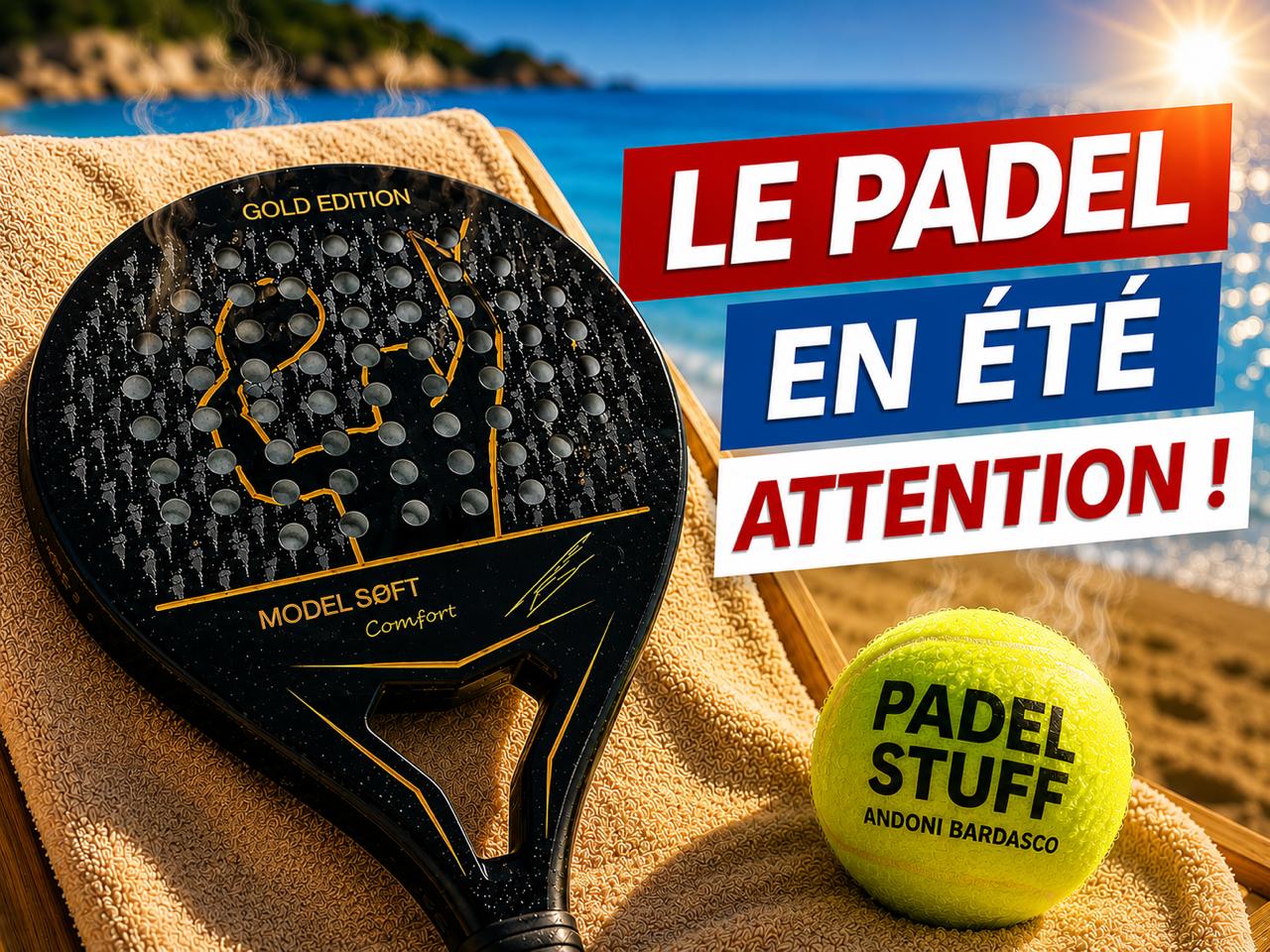 L’été change le padel… et si le vrai défi n’était pas de frapper plus fort ?
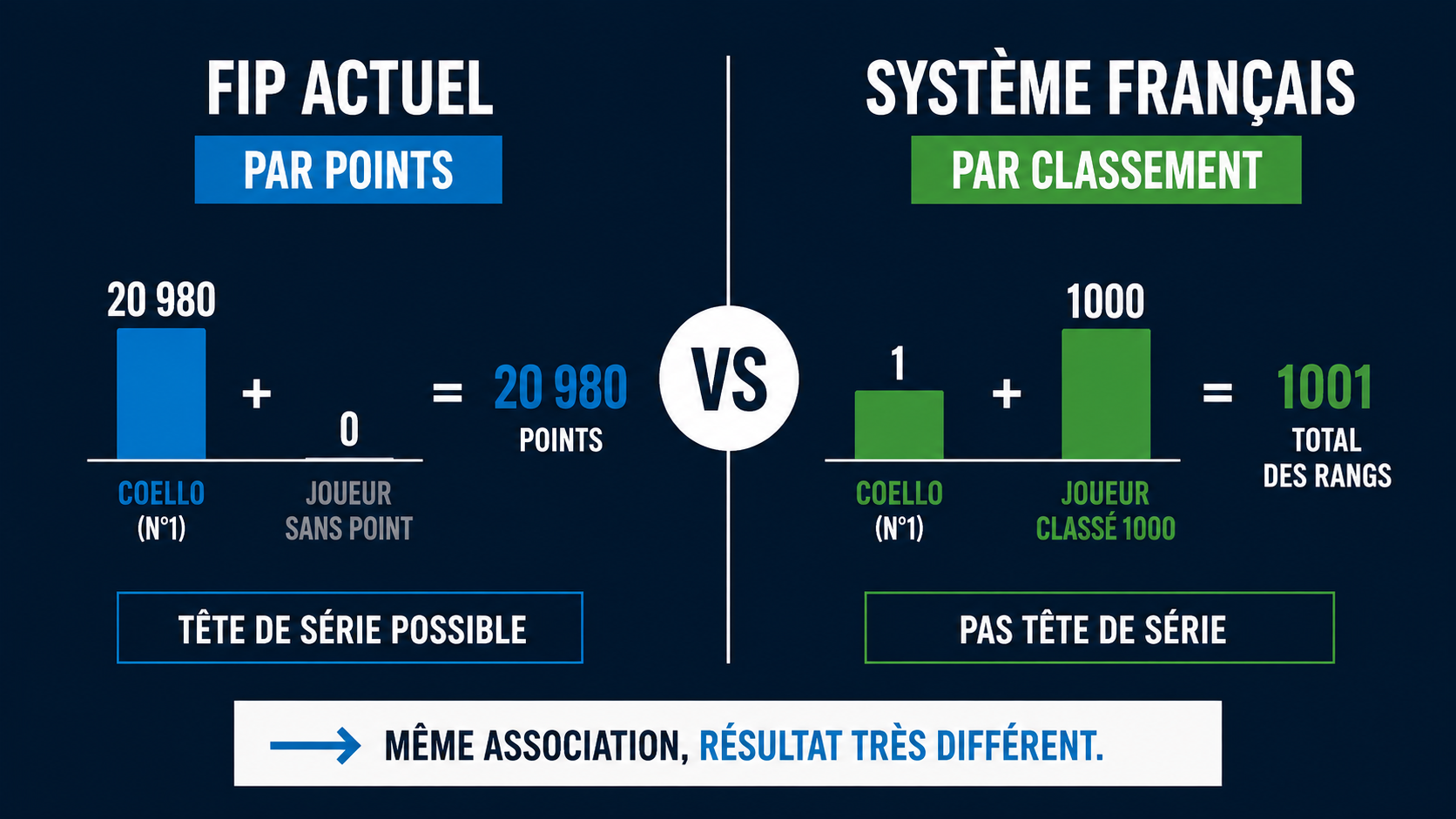 Coello avec un joueur à 0 point devant deux top 10 : faut-il revoir le classement FIP ?
 Ni FIP Tour, ni Championnat du monde par équipes : le format particulier du padel aux Jeux Méditerranéens
 Premier Padel : quand la télévision peut rallonger les pauses des joueurs
 Julien Seurin se livre sur le mental : « Il y a beaucoup plus de doutes que de moments de bonheur »
 Plus d’un an après, Thomas Leygue de retour dans le top 150 : les coulisses d’un comeback encore inachevé
 Padel vs squash vs badminton : le classement scientifique de l’intensité cardio
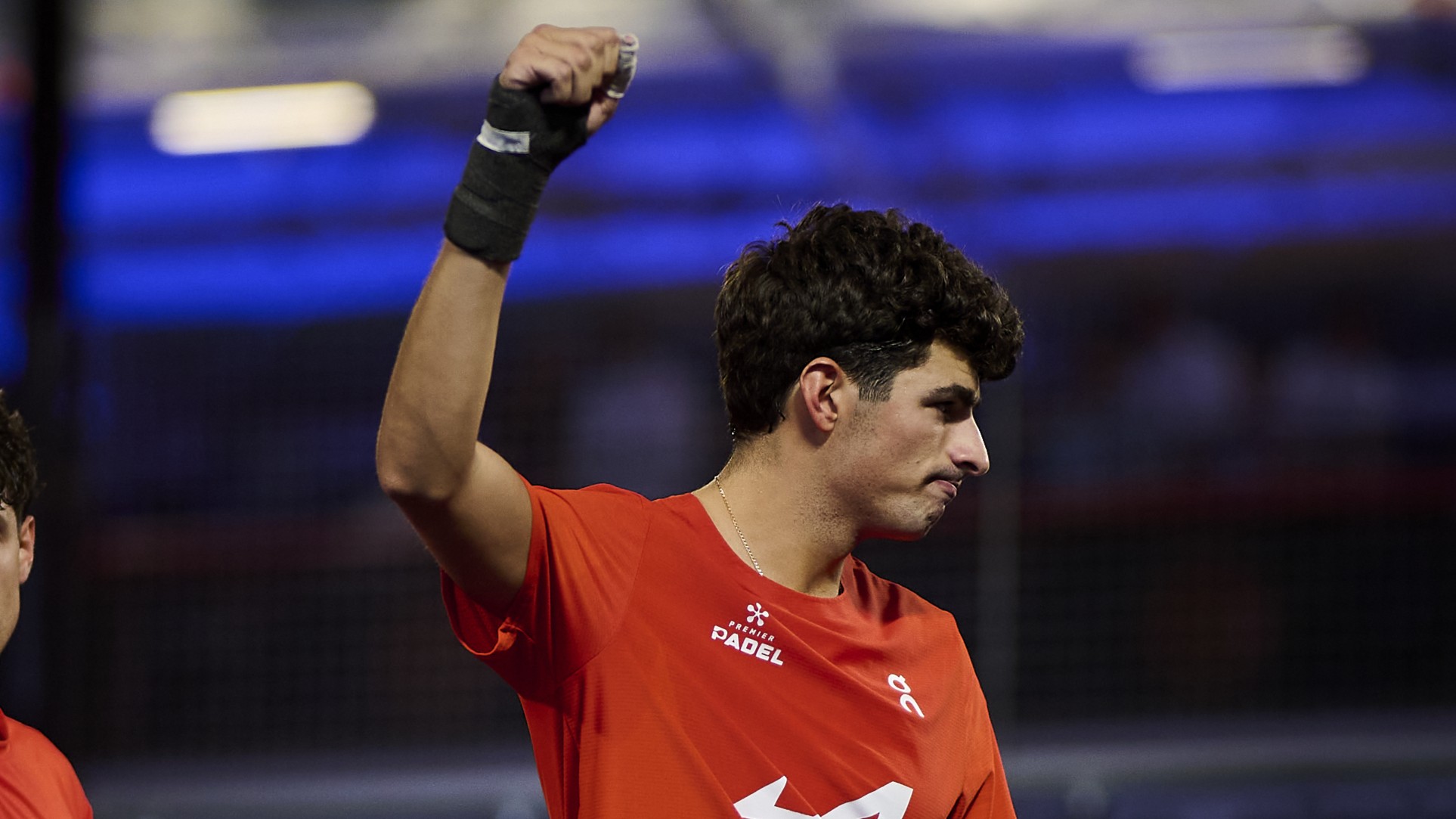 Pourquoi Arturo Coello joue-t-il avec la main droite bandée ?
 Les Pyramides : après 12 pistes de padel, le club mise sur la formation des jeunes