

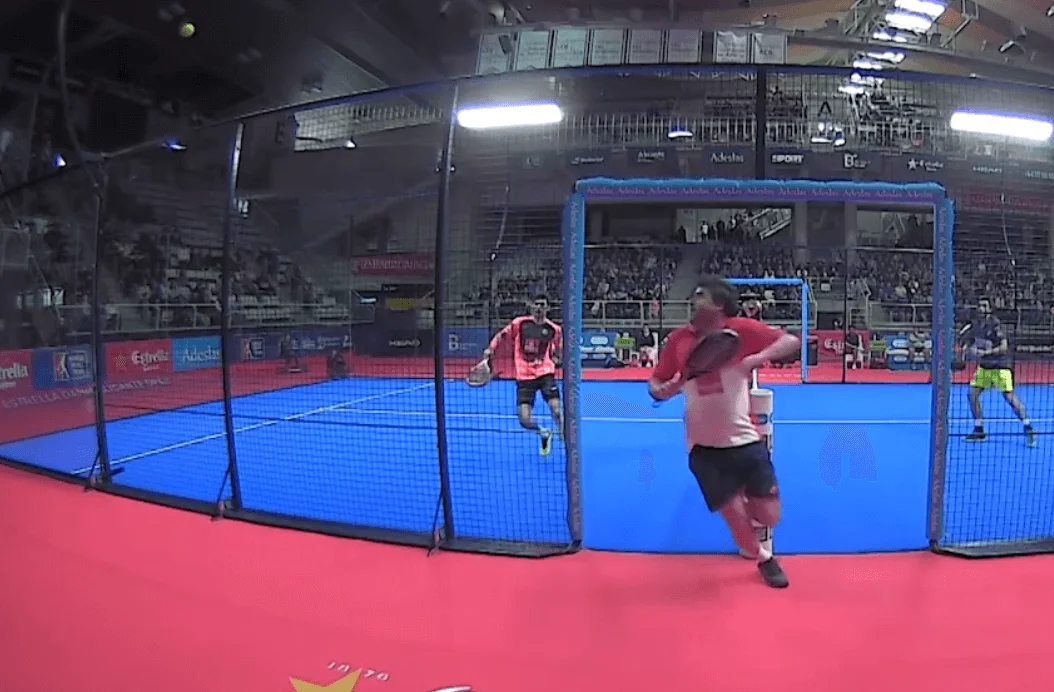







When we start padel, it is not unusual to be in an uncomfortable situation when our opponents are preparing to make a smash. Where should we place ourselves? What to do really? Should we let it pass, hit the ball live? Who should go to defend? Our article will help you to understand better this important game phase of your defense tactics.
What should we do to defend on a smash?
First of all, it will be necessary to analyze if your opponent will realize a smash with power or if he will make you a feint, and simply make a smash without speed. Small tip: a player who is preparing to smash with a lot of power, he will stiffen, contract his muscles to bring out all the power. On the contrary, a player who is going to make a feint, you will see that he remains relaxed. It is true that it may sound simple said like that, but try and you will see.
Then, if your opponent makes a smash with power, you must first avoid the ball (otherwise you give the point to the opponent), and move in its path. There are several schools, but generally you must stay in the middle of your side of the field until the last moment. This will give no information on how, you will defend your opponent’s smash (so you will have an advantage).Once he has hit the ball, stand in profile (your back facing the side fence), and watch the ball, do not take it out of your eyes, and get in the path of the ball. But it will have to go fast enough to be there, but not too much otherwise you will miss your defense. Do not forget that you have to hit the ball in front of you, so wait until the ball passes before you hit it. Otherwise you will rush, and either you will make an easy ball for the opponent or you will make a mistake or miss the ball.
What to do as a defense hit?
It will be necessary, while placing yourself, to observe the position of your opponents. If it’s possible of course, the main thing is to be able to return the ball in the field of your opponent. This is where your partner comes in. Indeed, he can quickly communicate the position of the opponents to help you stay focused on the ball, and hearing the announcement of your partner, and choose the best move to achieve.
In some cases, you will be tempted to do the magic trick that succeeds once in a hundred attempts. Padel is a sport of checking, the goal is to make the least possible mistakes. We will advocate more on a hit than you really know, and that you are used to achieving (with a good percentage of success). Do not try a retro-sounding knock-out at 9-8 in the super tie-break, make a simple but effective shot, and above all you know !

Alexis Dutour est un passionné de padel. Avec sa formation en communication et en marketing, il met ses compétences au service du padel pour nous proposer des articles toujours très intéressants.







































































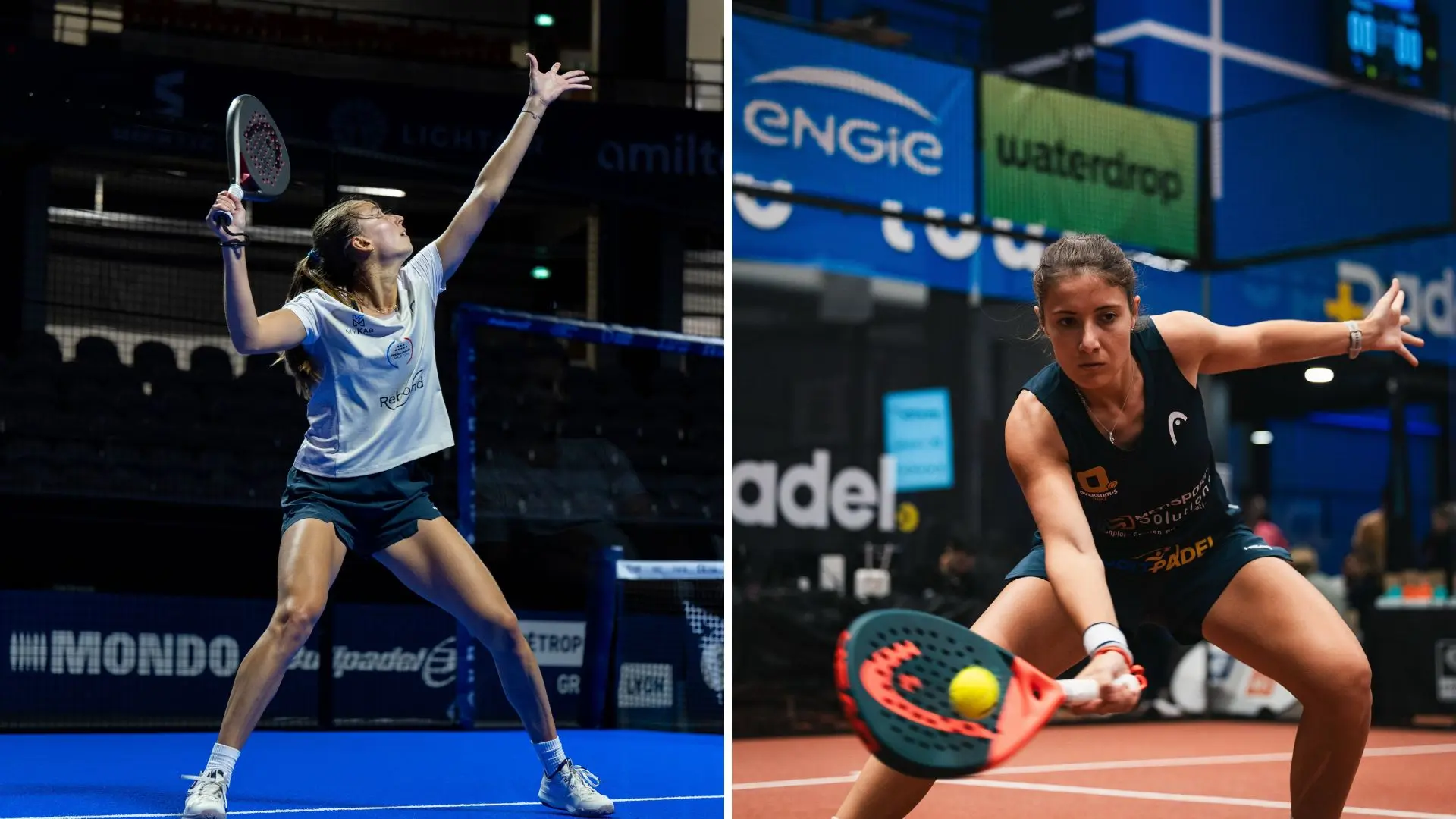 P3000 Break Padel Club : Clara Mansart et Lucile Pothier, une association inédite qui pourrait faire très mal
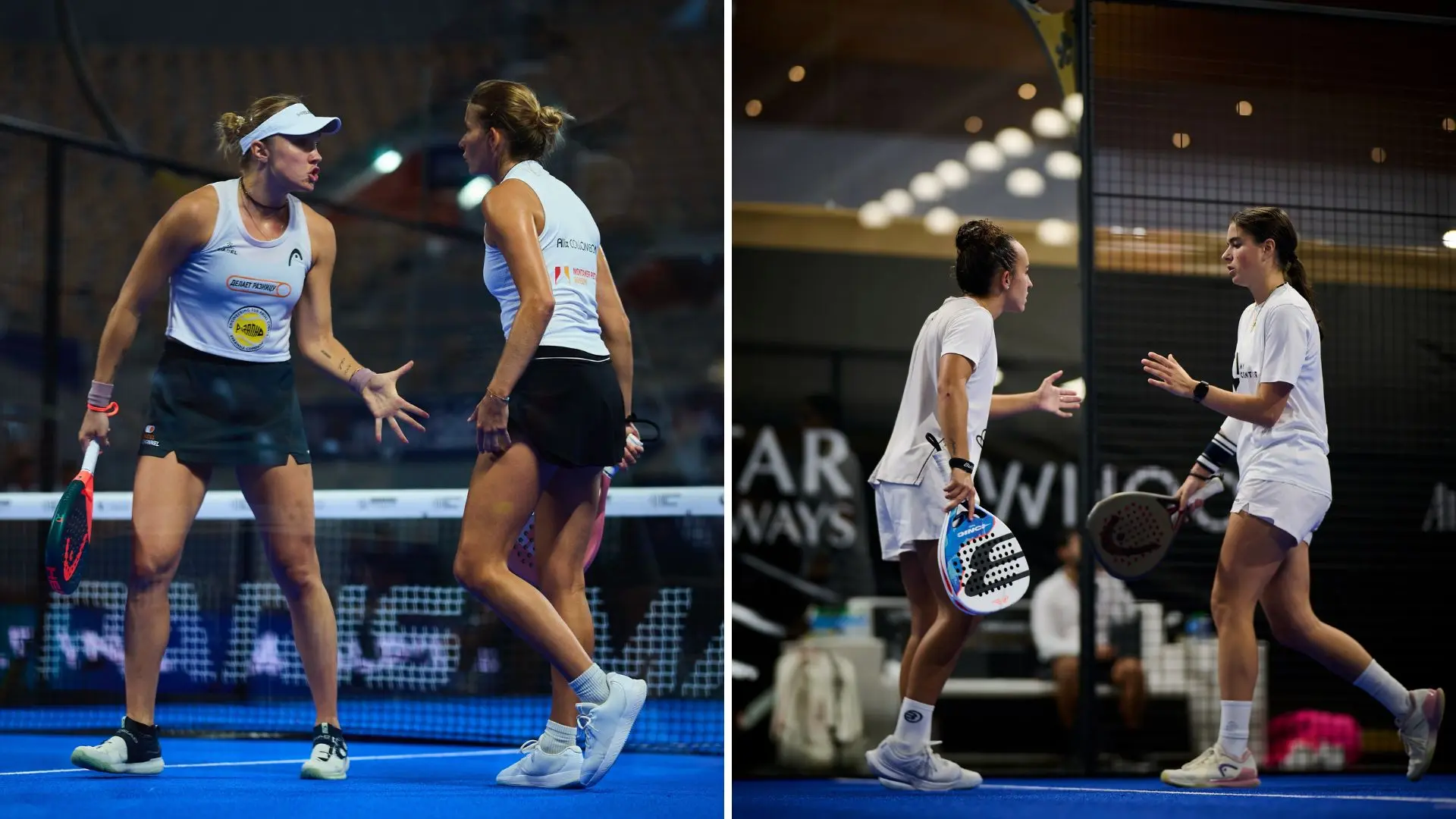 Kuwait Major : coup dur pour Collombon / Sharifova, éliminées dès le premier tour, Bahurel s’arrête après un beau parcours
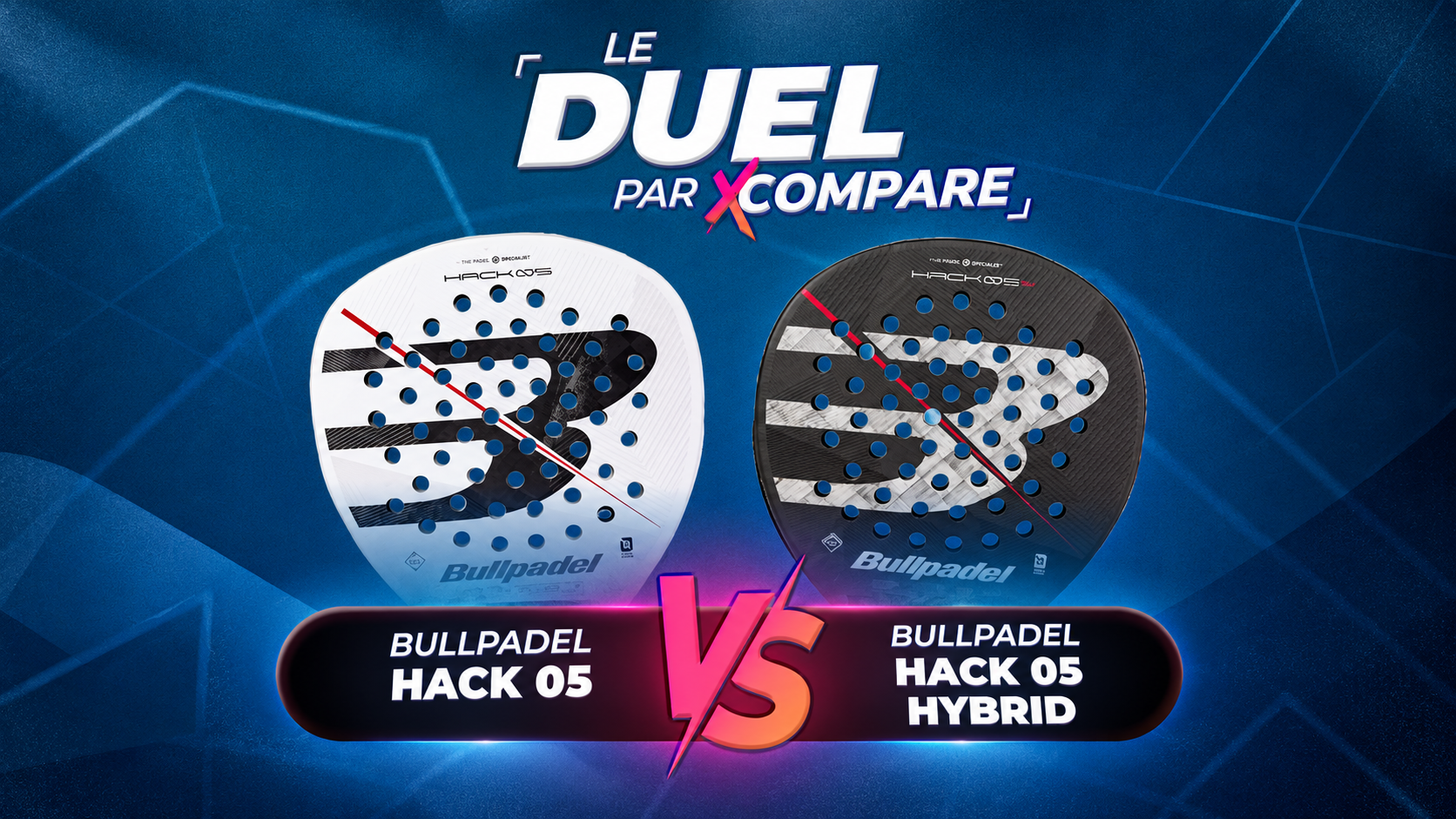 Bullpadel Hack 05 et Hack 05 Hybrid 2027 : le test complet d’Extreme Padel
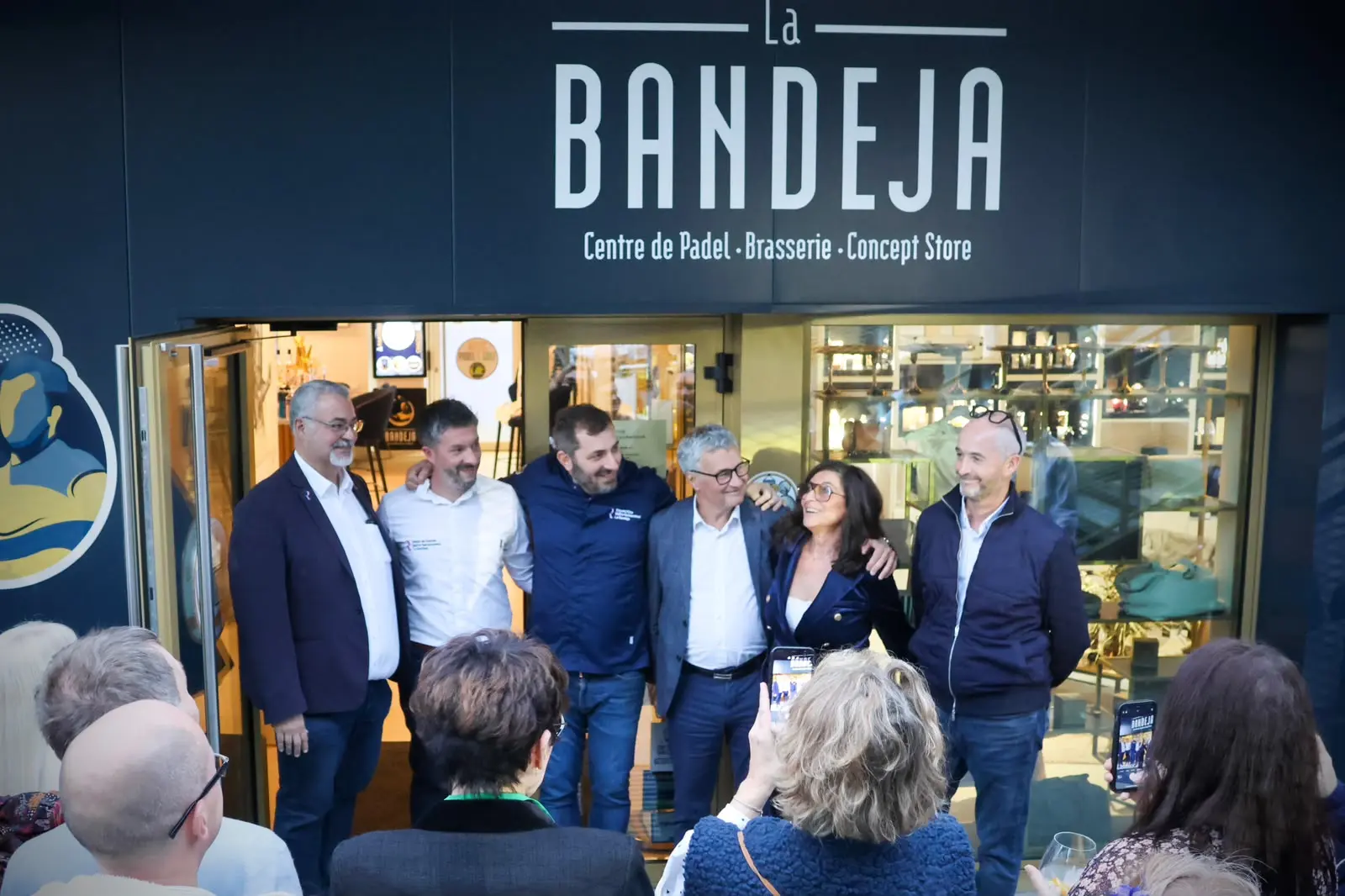 Anne-Lucile et Stéphane Guine (La Bandeja) : « L’avenir des clubs ne se jouera pas uniquement sur les pistes »
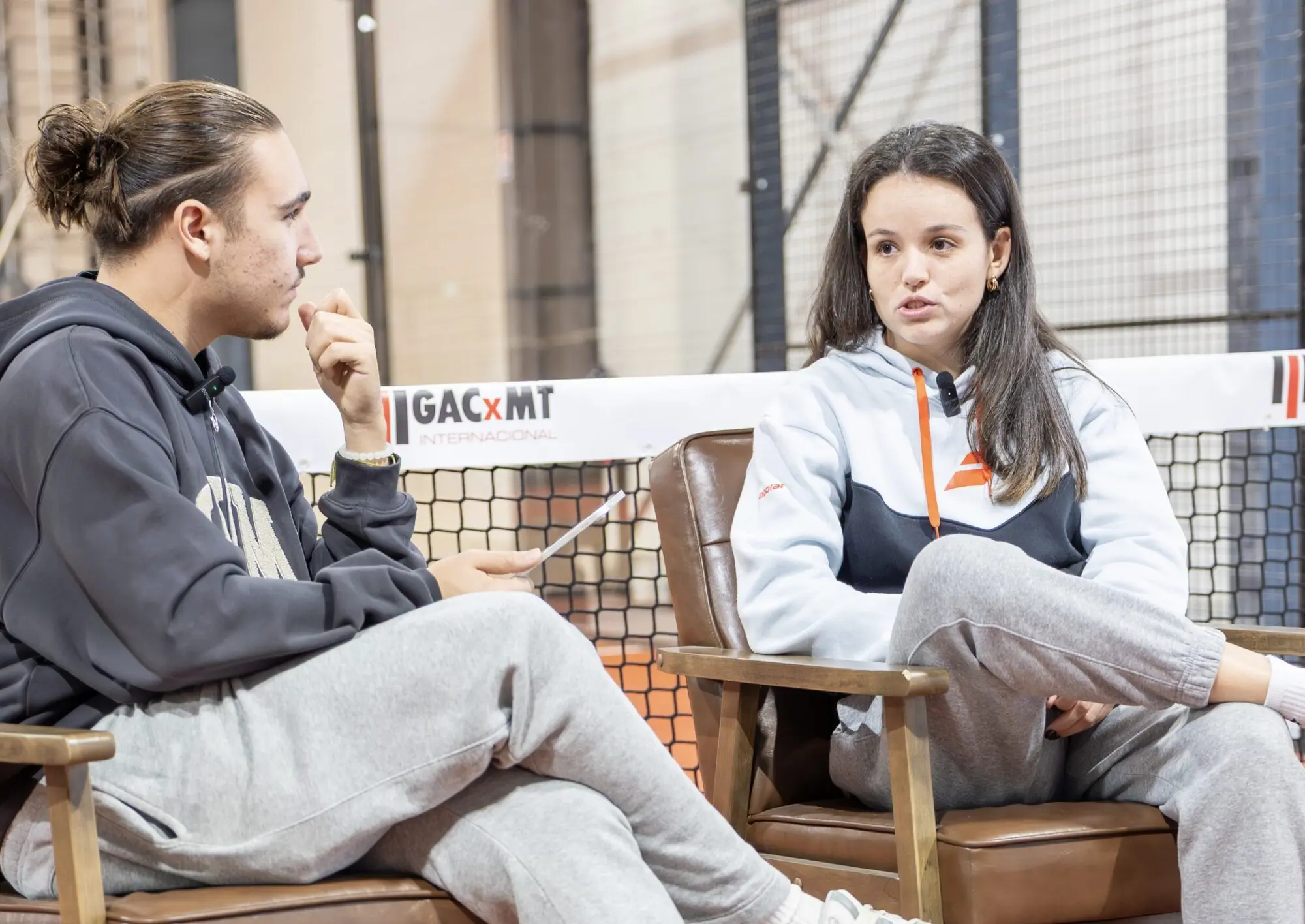 Justine Lespes : « Le top 20 français ? Pourquoi pas ! » De -4/6 au tennis à 43e française au padel en un an
 Pablo Cardona retrouve les pistes et le sourire : “Je commence à voir la lumière au bout du tunnel”
 Coki Nieto envisage de passer à droite : « Les autres arrivent comme des avions physiquement »
 Jessica Ginier de retour à la compétition : elle s’inscrit au P3000 Break Padel Club avec Charlotte Soubrié
 Kuwait Major : le programme complet de la 2e journée de tableau principal avec l’entrée en lice des têtes de série chez les hommes
 Kuwait Major : quatre Français en piste ce lundi, Collombon et Godallier favorites, Fonteny et Bahurel face à un gros défi
 Kuwait Major : grosse perf avec deux top 70 éliminés, Fonteny / Moragues s’attaquent à Libaak / Alfonso
 Combien coûte une piste de padel en 2026 ? Les grandes différences entre pays
 Location de pistes de padel : un marché mondial estimé à 4,6 milliards d’euros
 Le padel soutient près de 236 000 emplois dans le monde : une industrie en pleine croissance
 Le padel pèse 8,6 milliards d’euros dans l’économie mondiale en 2026
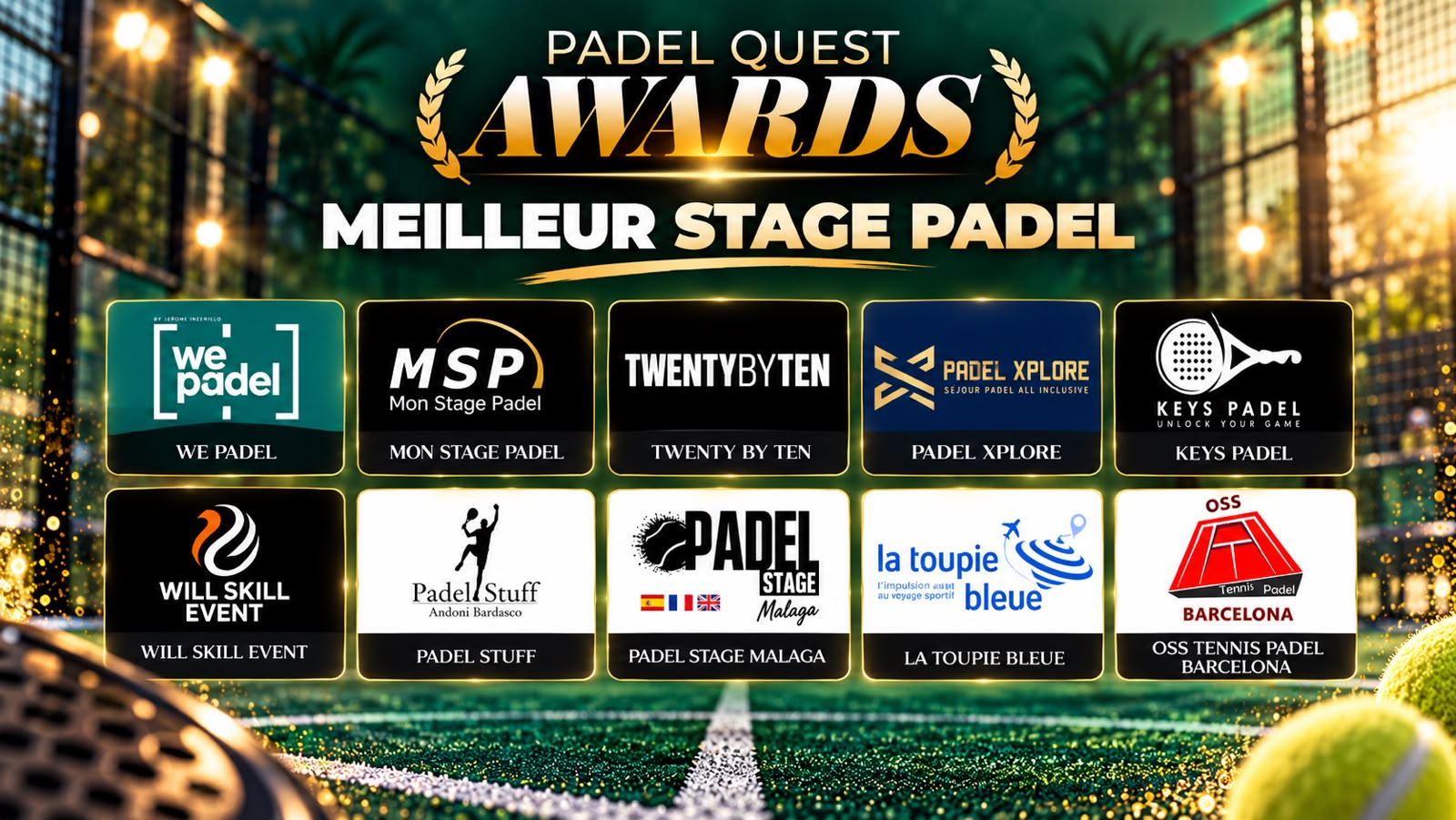 Padel Quest Awards : dix spécialistes en lice pour le titre de meilleur stage de padel de l’année
 Perd-on son classement Padel FFT après plus d’un an sans licence / sans compétition ?
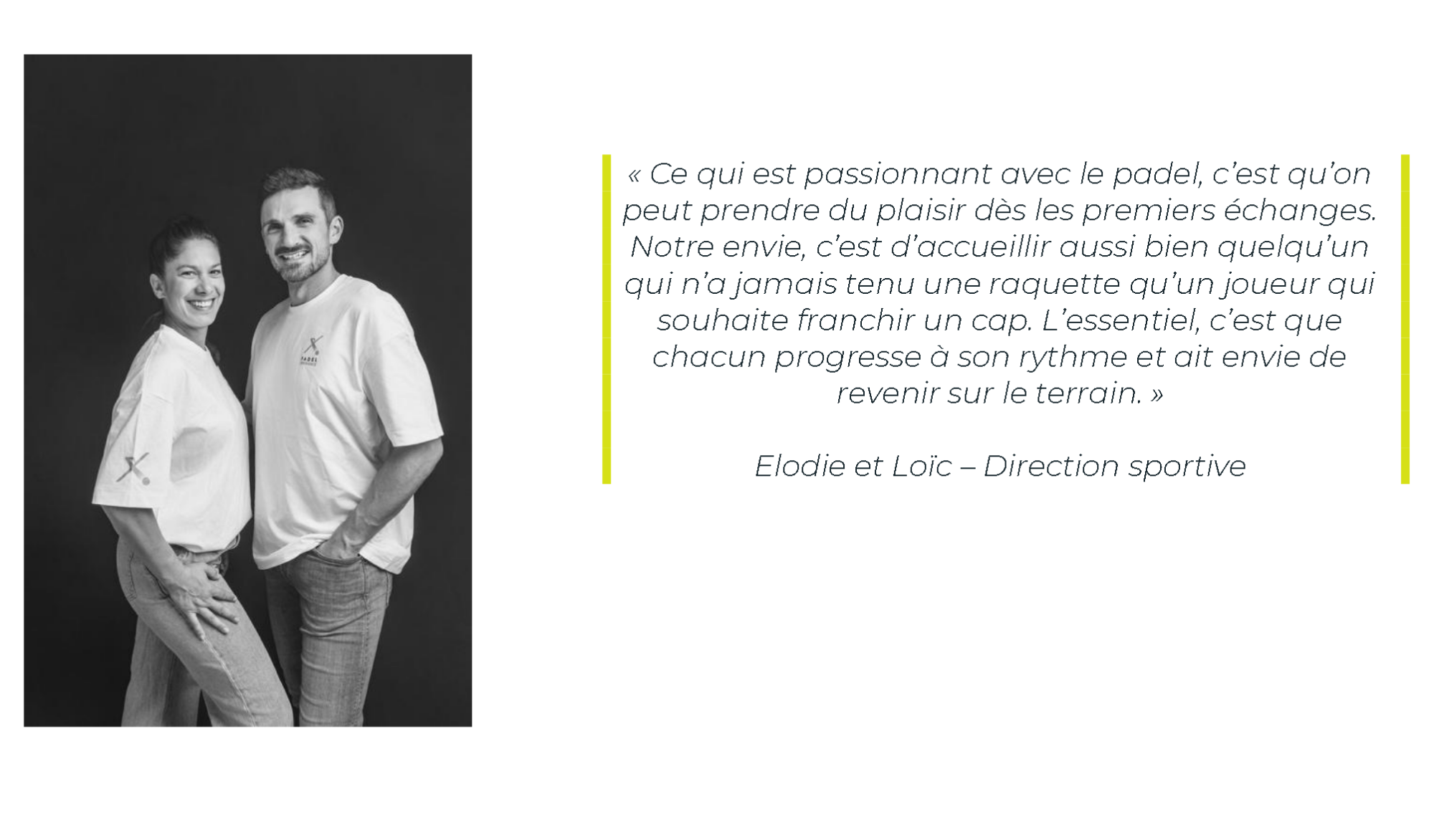 Padel Xperience : l’Académie ouvre le 2 novembre à Marcheprime, avant l’inauguration du complexe en 2027
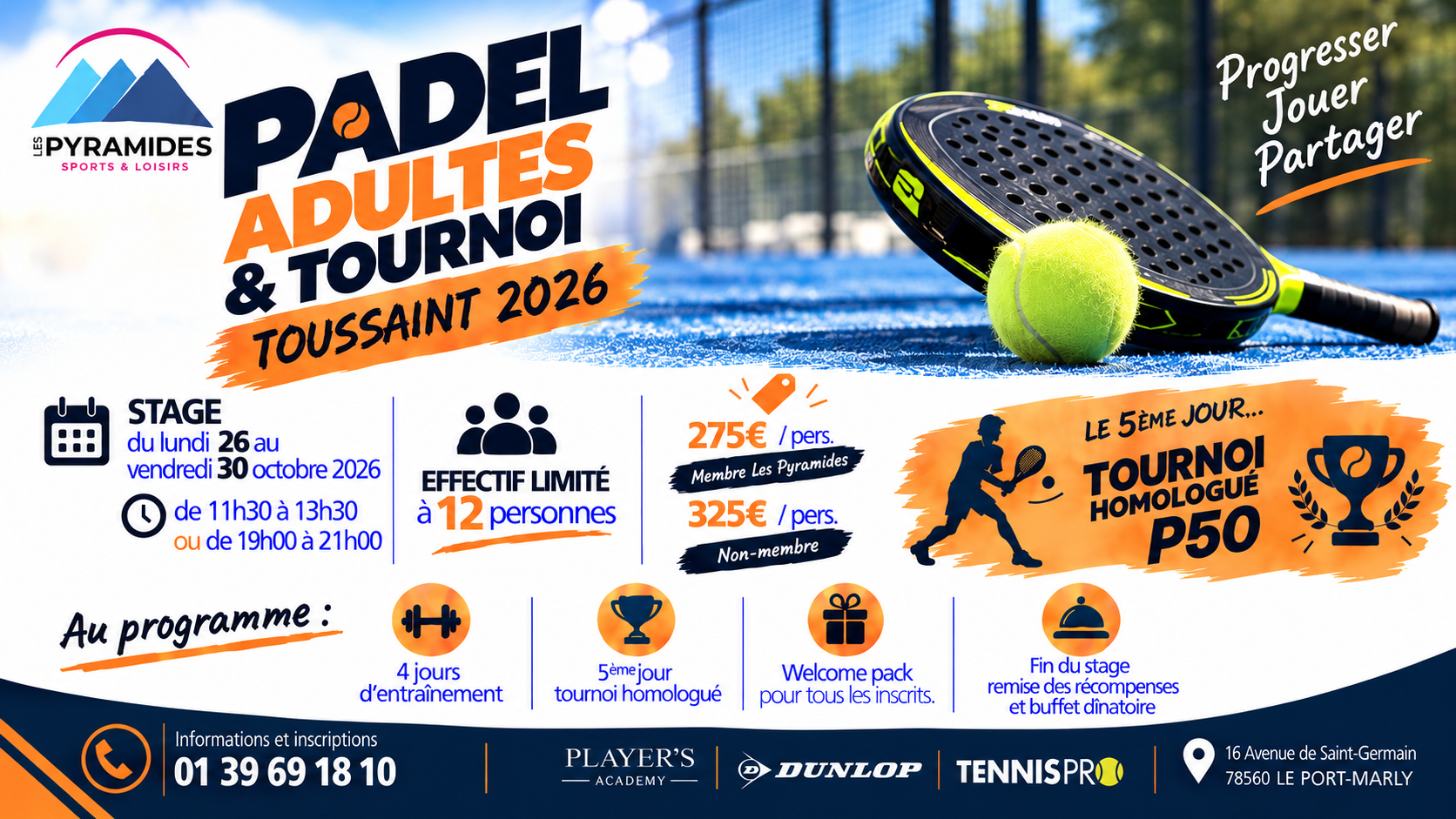 La Toussaint – Les Pyramides organisent un stage de padel pour adultes avec un tournoi P50 pour clôturer la semaine
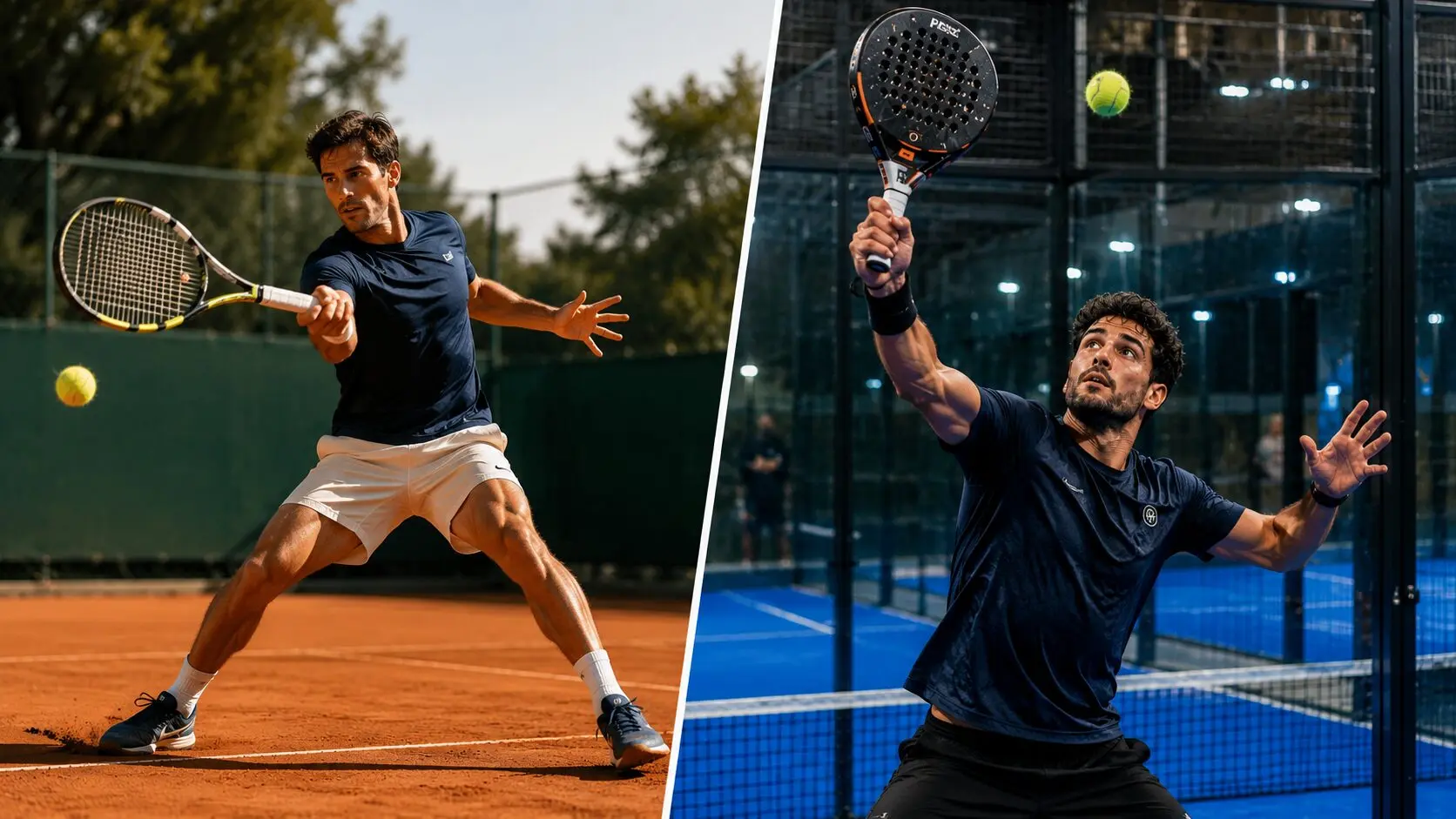 Ce que révèle l’analyse du geste : coup droit tennis vs bandeja padel
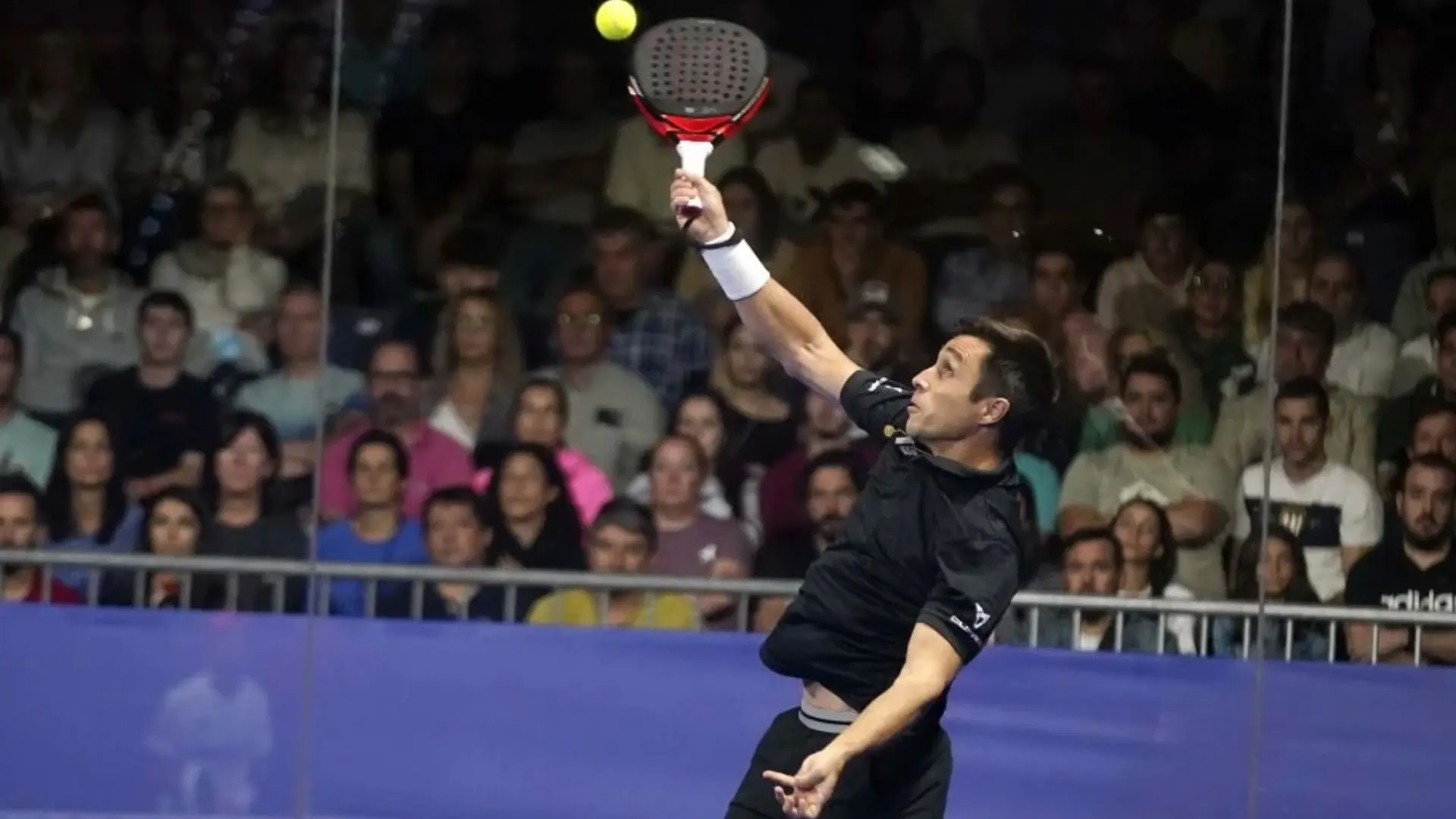 La bandeja a-t-elle disparu du padel moderne ?
 Coup droit à plat au padel : les 5 exercices de Cristian Álvarez pour gagner en contrôle et en efficacité
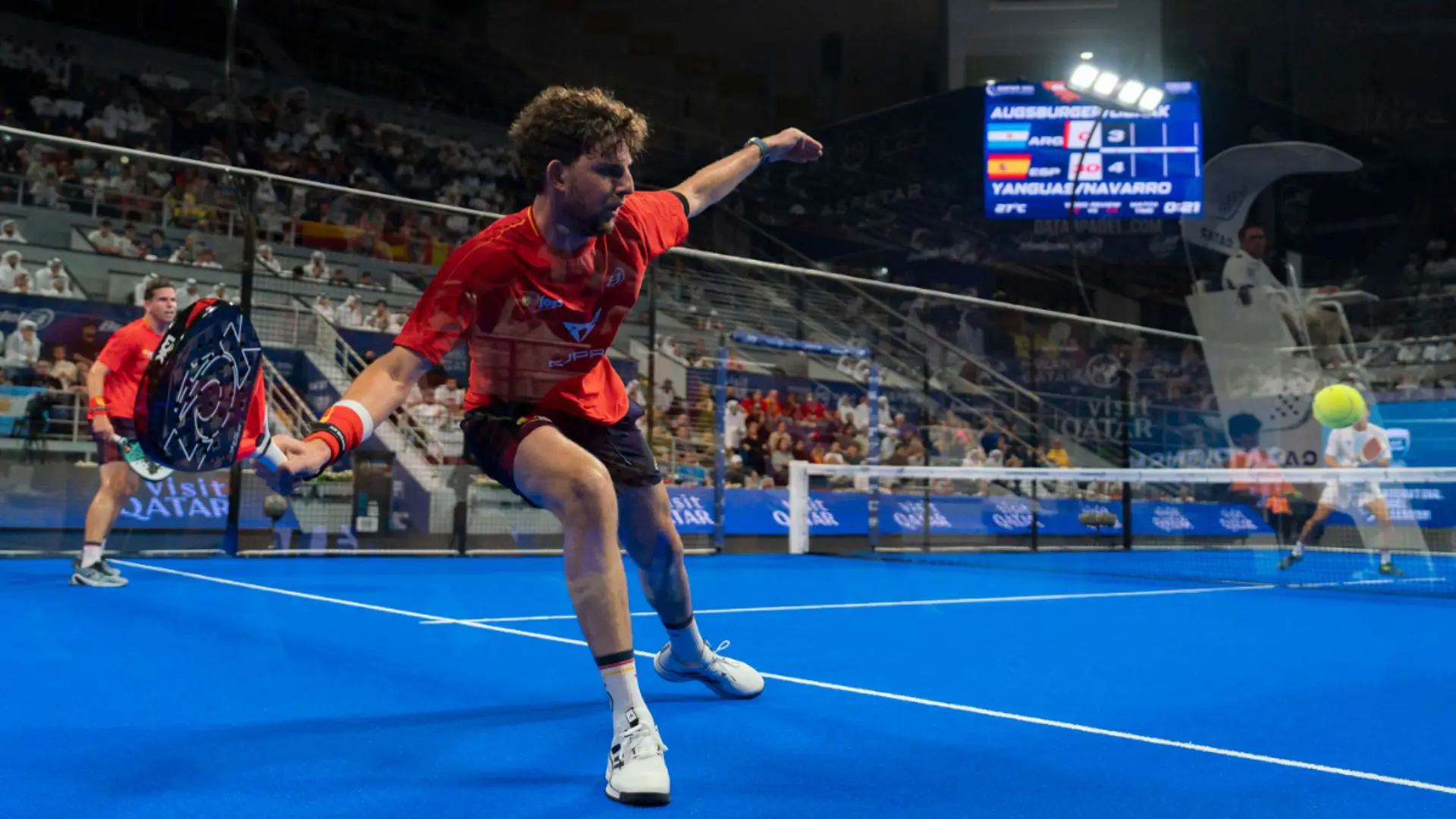 Pourquoi savoir jouer à droite et à gauche peut faire la différence
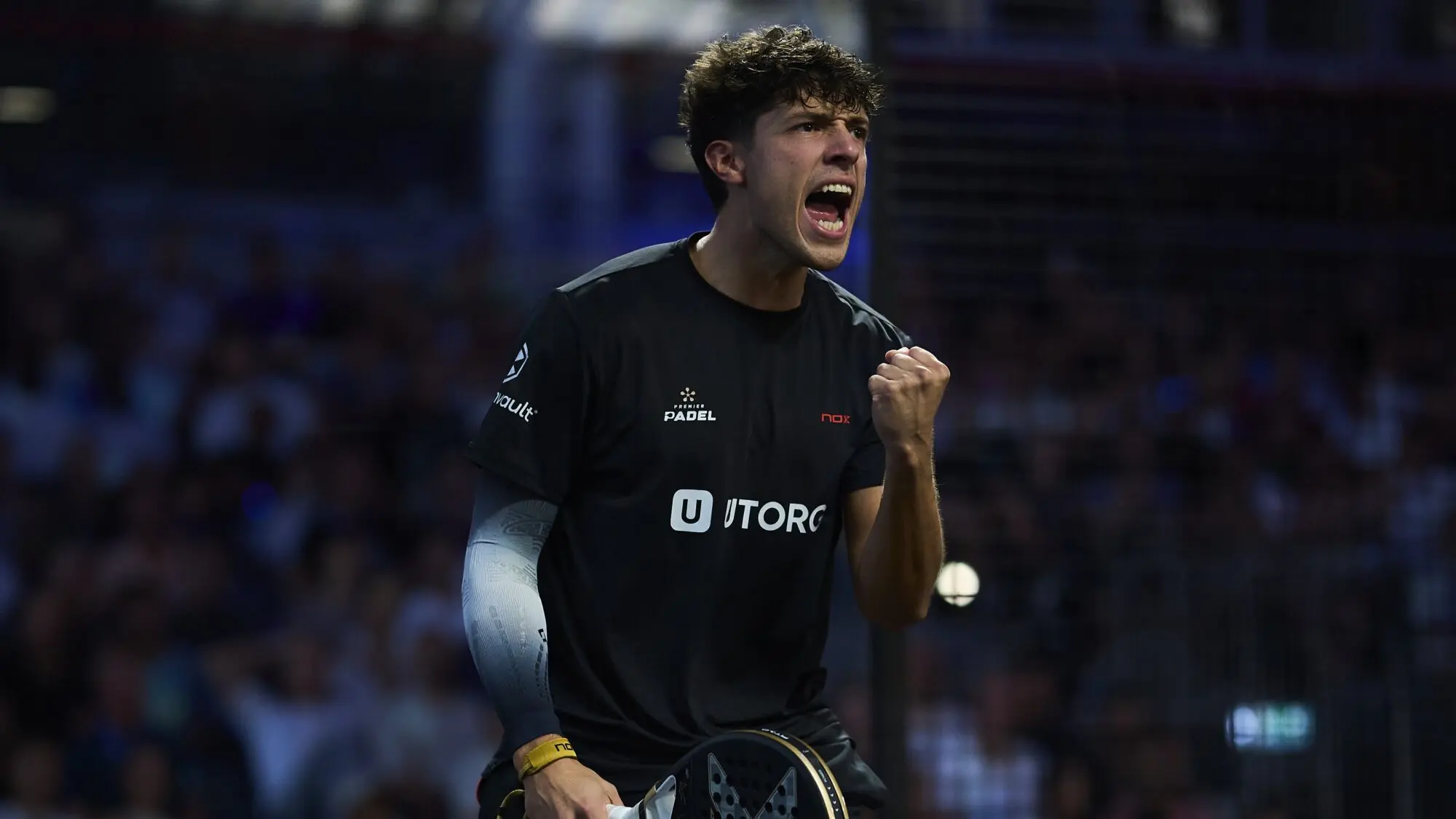 Tapia donne la recette pour battre Coello / Tapia : « Je jouerais tout sur moi »
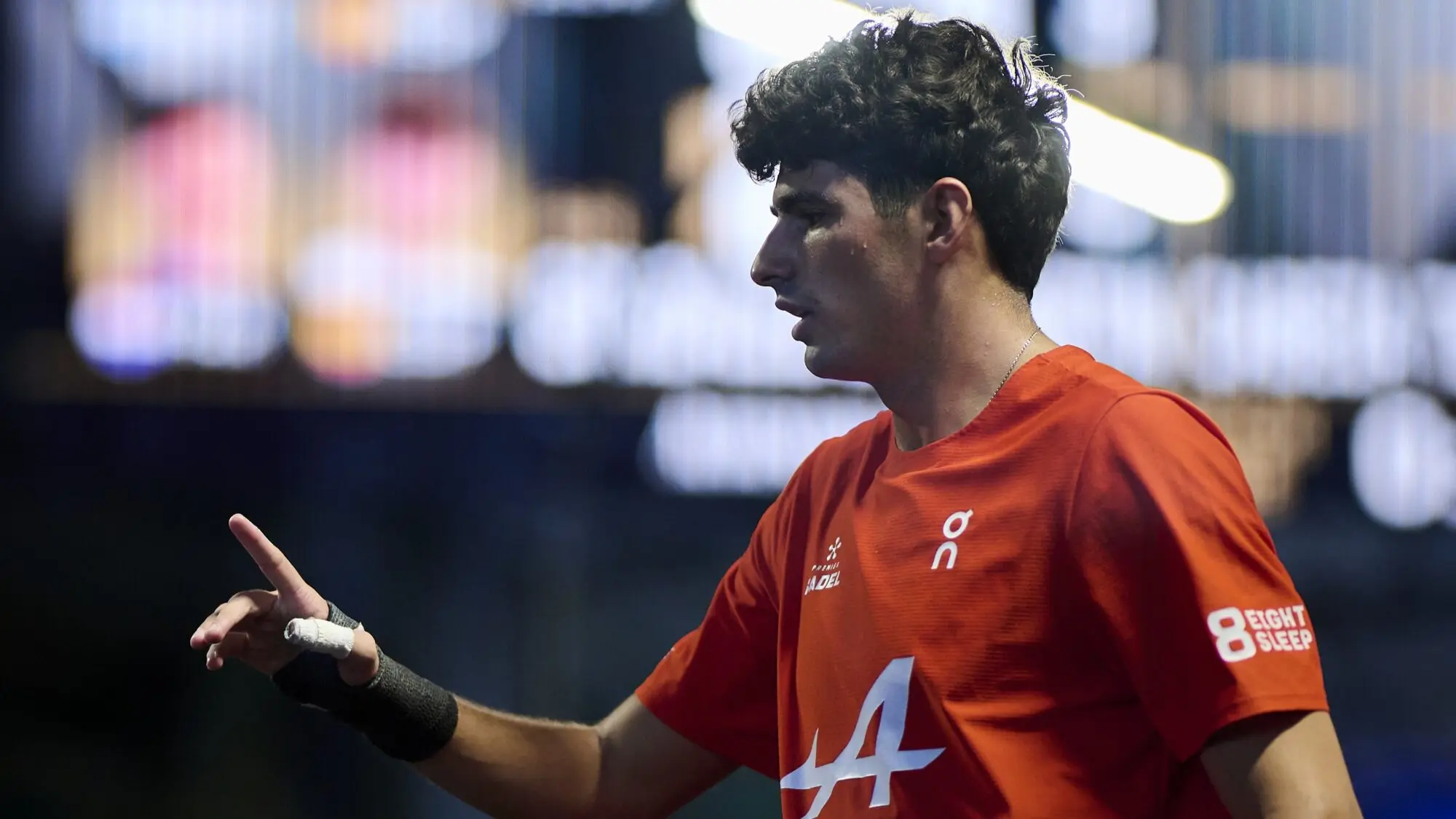 Comment Coello a désamorcé le plan de jeu de Chingotto
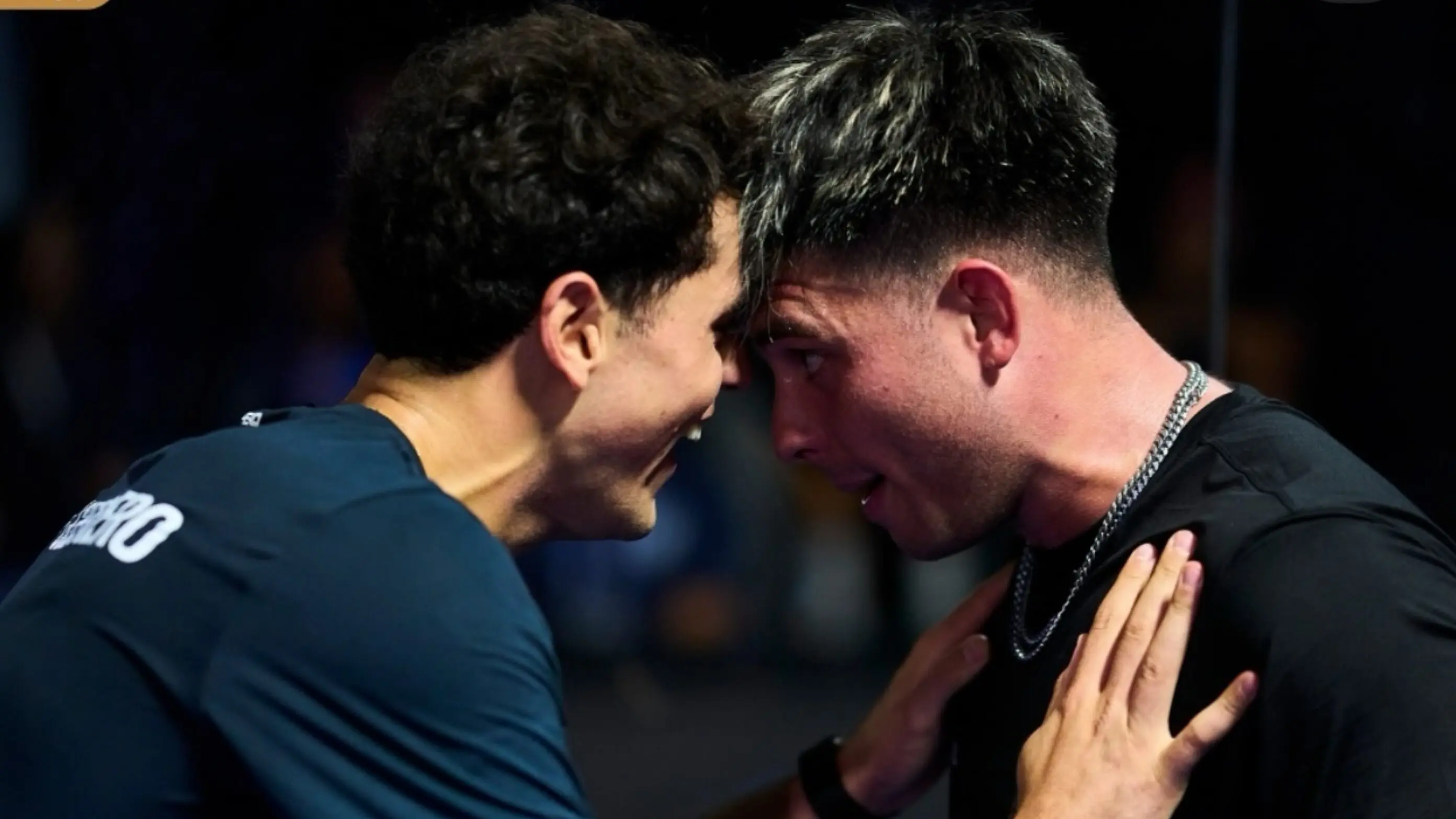 Au padel, l’alchimie d’une paire compte-t-elle autant que le niveau individuel ?
 L’été change le padel… et si le vrai défi n’était pas de frapper plus fort ?
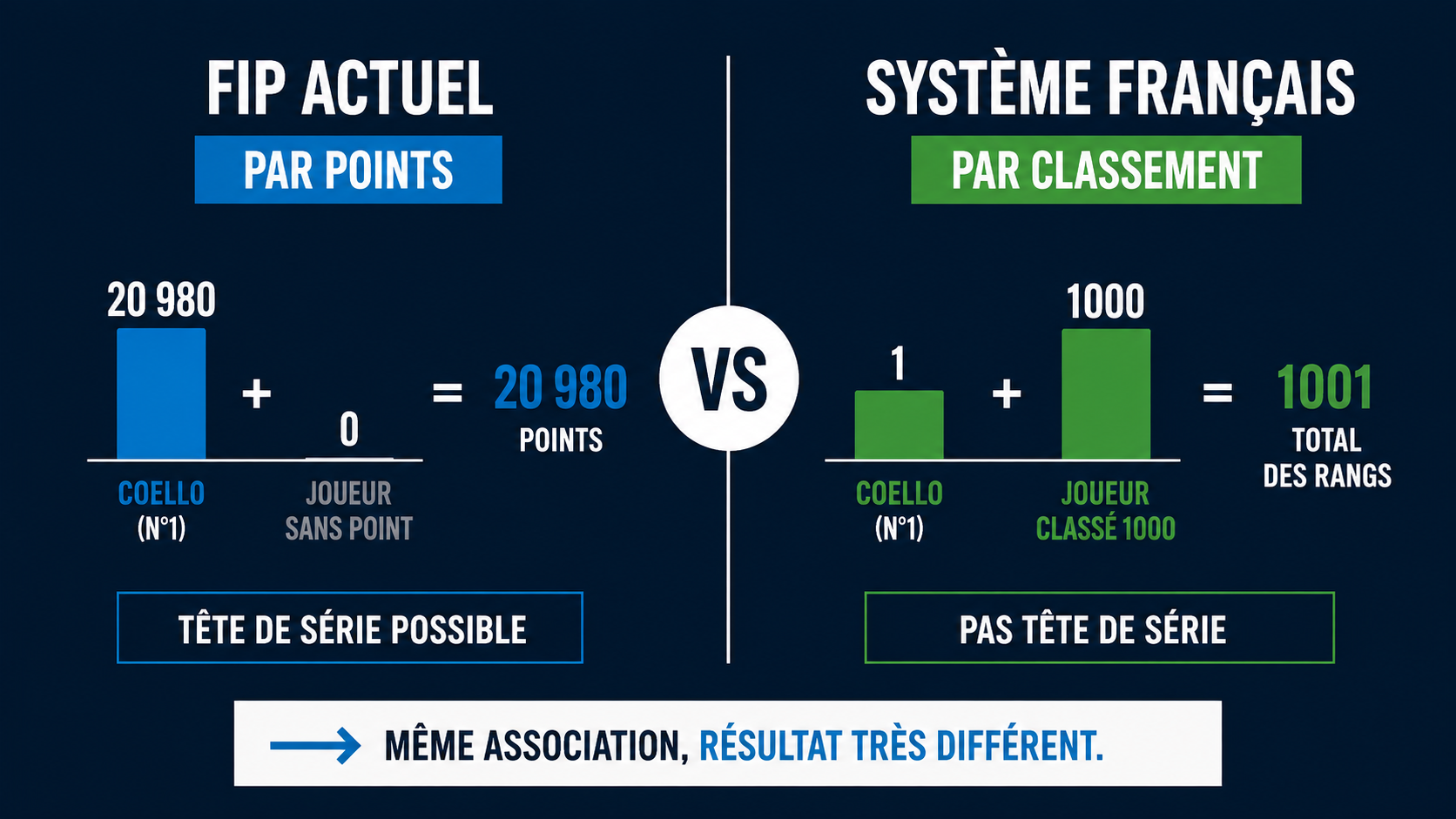 Coello avec un joueur à 0 point devant deux top 10 : faut-il revoir le classement FIP ?
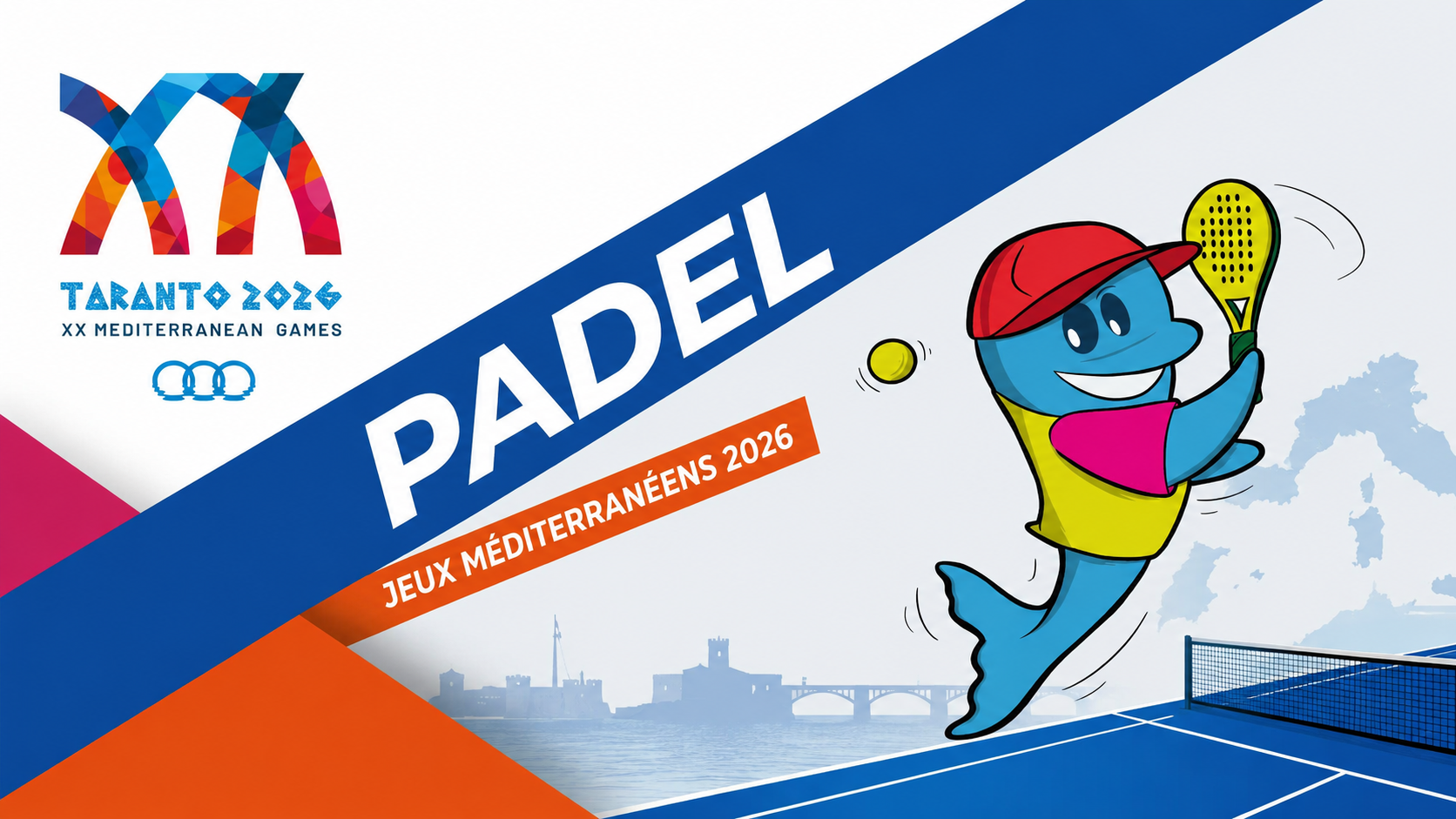 Ni FIP Tour, ni Championnat du monde par équipes : le format particulier du padel aux Jeux Méditerranéens
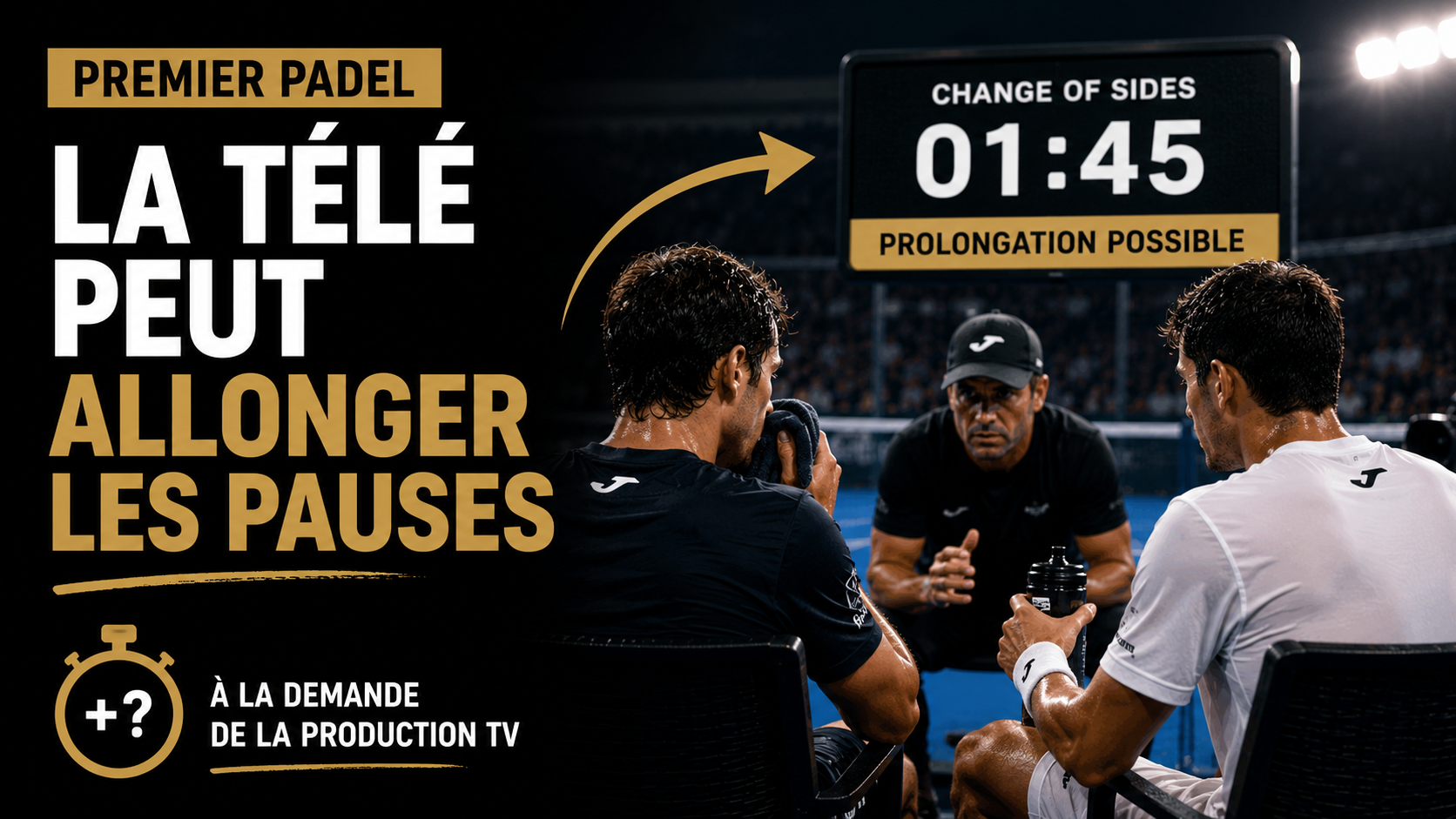 Premier Padel : quand la télévision peut rallonger les pauses des joueurs
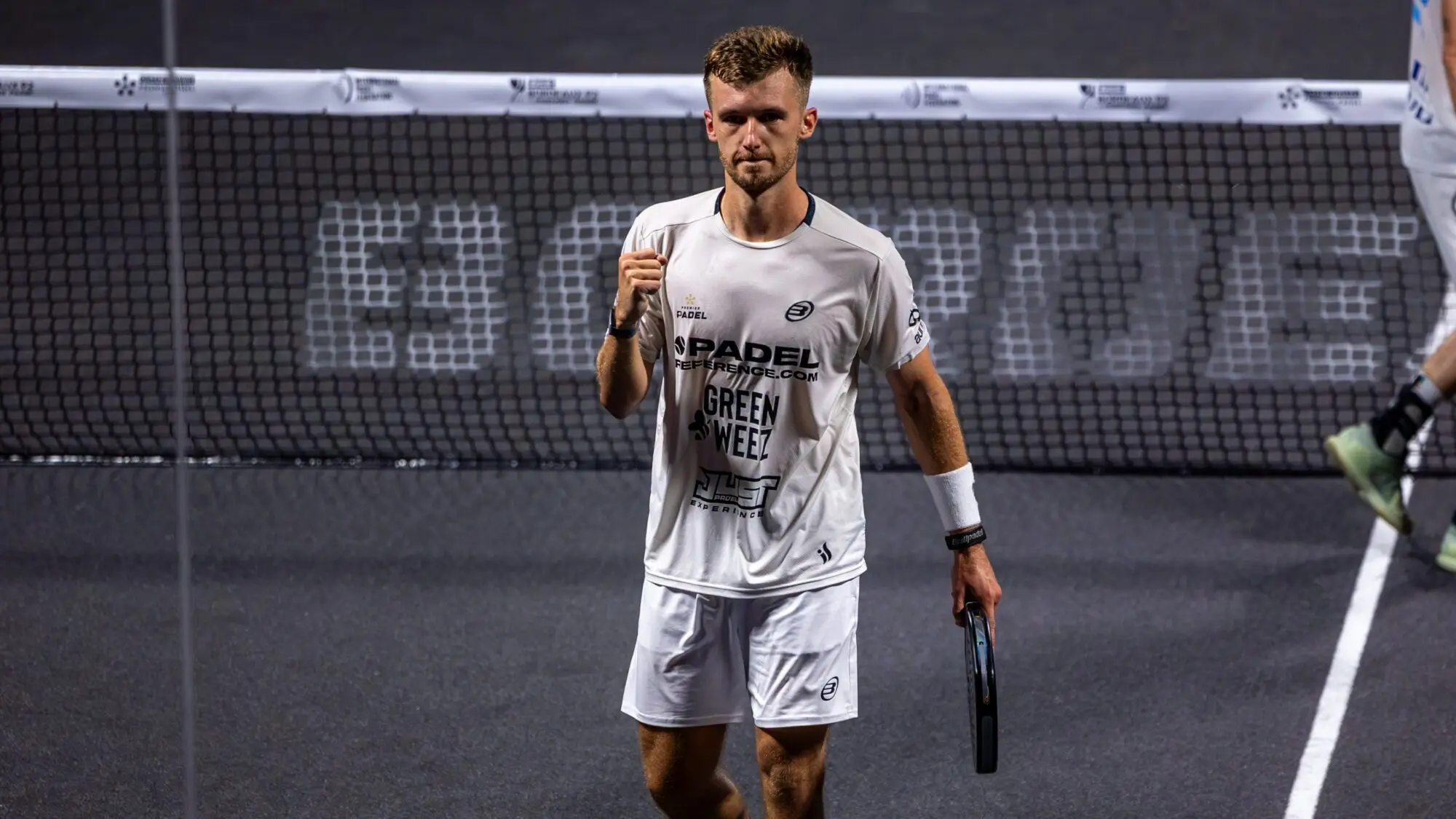 Julien Seurin se livre sur le mental : « Il y a beaucoup plus de doutes que de moments de bonheur »
 Plus d’un an après, Thomas Leygue de retour dans le top 150 : les coulisses d’un comeback encore inachevé
 Padel vs squash vs badminton : le classement scientifique de l’intensité cardio
 Pourquoi Arturo Coello joue-t-il avec la main droite bandée ?
 Les Pyramides : après 12 pistes de padel, le club mise sur la formation des jeunes